
Precision Cast & Extruded Engineering Stock Profiles
Direct-from-plant bulk allocation across copolymer acetal tubes, modified casting polyamides, and thermal-stabilized engineering polymers optimized for high-speed automated machining.
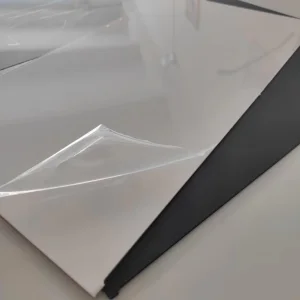
Wholesale China Engineering Plastic OEM Smooth ABS Plastic Sheet Factory Customized Color With Size For Refrigerator Door Company, Product
View Specifications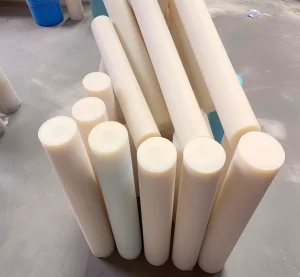
Wholesale Natural MC Nylon Cast Rod Supplier, Company
View Specifications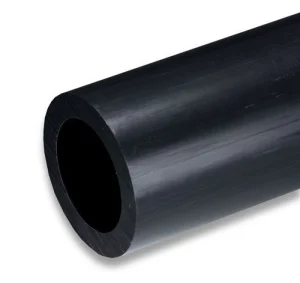
Discount POM Tube Black POM Tube, White POM Tube, POM Pipe, POM Plastic Tube Pipe Exporters, Product
View Specifications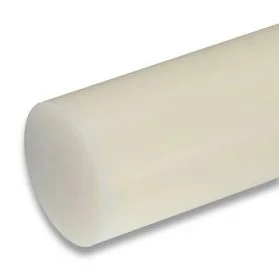
OEM Plastics Polyamide Natural Mc Nylon Cast Nylon PA6 Rod Round Bar Engineering Plastic Polyamide PA6 PA66 POM Nylon PP UHMWPE PTFE HDPE ABS Plastic Rod And Bar Manufacturer, Company
View Specifications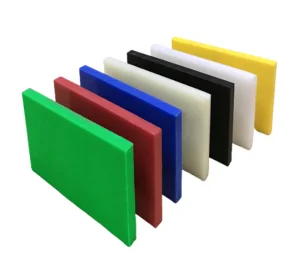
Buy MC Nylon Sheet Supplier, Company
View Specifications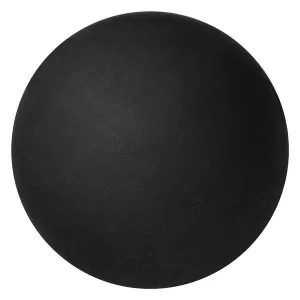
Wholesale Impact Black Color Nylon Cushion Use For Impact Hammer For Piling Machine Manufacturer, Product
View Specifications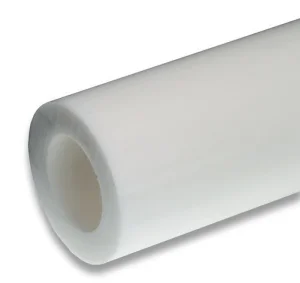
Cheap POM Tube White POM Tube, Black POM Tube, POM Pipe, POM Plastic Tube Pipe Factories, Exporter
View Specifications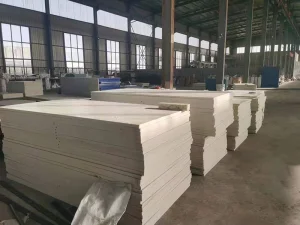
OEM China Engineering Plastic OEM Polyamide PA6 PA66 Nylon PP UHMWPE PTFE HDPE ABS Plastic Sheet Factory Customized Color With Size Suppliers, Exporter
View SpecificationsEngineering Principles of Cast & Hollow Polyoxymethylene (POM)
Delivering crystalline density consistency, zero centerline porosity, and exceptional dimensional retention across extreme mechanical and chemical vectors.
Eliminating Centerline Porosity
Traditional thick solid acetal rods suffer from core thermal vacuum voids caused by volumetric cooling shrinkage. Our specialized cast and extruded hollow tube processes utilize inner core mandrel cooling and progressive crystallization, guaranteeing 100% solid, void-free cross sections that withstand hydraulic pressures up to 35 bar without micro-leakage.
Optimized Copolymer Backbone
SHUNDA POM tubes use specialized polyacetal-copolymer (POM-C) formulations enriched with thermal stabilizers. POM-C drastically outperforms homopolymer acetal in alkali resistance, resistance to hot water hydrolysis (up to 85°C), and resistance to thermal degradation, completely preventing catastrophic stress cracking in chlorinated washdown environments.
Multi-Stage Thermal Annealing
Internal locked stresses are the primary cause of dimensional drift during CNC turning. Every batch of SHUNDA POM hollow profile undergoes an intensive 48-hour computer-controlled nitrogen-purged oil bath/convection oven tempering sequence, relieving internal stress so parts retain tight ±0.02 mm tolerances without ovalization.
Engineering Evaluation: Solid Bar Drilling vs. Precision Hollow Cast Tube
Purchasing hollow POM tubes instead of drilling out solid acetal round bars eliminates up to 58% of swarf waste, slashes CNC lathe cycle time by over 45%, preserves inner crystalline skin hardness, and prevents center-drill wander in long-axis bushings and deep pump sleeves.
| Performance Metric / ASTM Standard | SHUNDA Cast/Extruded POM-C Tube | Standard Extruded POM-H (Delrin) | Cast MC Nylon (PA6C) Tube | Virgin PTFE Extruded Tube |
|---|---|---|---|---|
| Tensile Strength at Yield (ASTM D638) | 68 - 72 MPa | 75 - 80 MPa | 78 - 85 MPa | 22 - 28 MPa |
| Centerline Porosity Status | Zero (Porosity-Free Core) | Frequent (0.2-1.5mm voids) | Non-existent (Homogeneous) | Non-existent |
| Moisture Absorption 24h Immersion (ASTM D570) | 0.20% (Ultra Low) | 0.25% | 1.60% (High Swelling Risk) | <0.01% (Inert) |
| Coefficient of Kinetic Friction (Dry vs. Steel) | 0.25 - 0.32 | 0.27 - 0.35 | 0.35 - 0.42 | 0.08 - 0.12 |
| Resistance to Caustic Washdowns (pH 11-14) | Excellent (No Cracking) | Poor (Severe Degradation) | Moderate | Superior |
| Machinability & Surface Finish Ra (μm) | 0.4 - 0.8 μm (Mirror) | 0.6 - 1.2 μm | 0.8 - 1.6 μm | 1.2 - 2.5 μm (Soft) |
China Factory Supply Chain Architecture: Discount Scale Without Compromise
Direct access to primary raw resin supply hubs, large-scale continuous extrusion infrastructure, and integrated mold-making guarantees global wholesale price resilience.
Upstream Virgin Polymer Integration
By securing direct volume allocations from leading synthetic resin polymerizers alongside strictly vetted European imports, SHUNDA eliminates distributor markups. Our resin silos enforce computerized optical sortation and desiccated dehumidifying hoppers before melt extrusion, eliminating batch contamination and moisture-induced splay.
Tooling Versatility & Custom Mandrels
Operating an in-house tool-and-die center with over 650 active tube mandrel variations, we manufacture custom wall thicknesses ranging from thin-wall sleeves (3mm wall) to ultra-heavy hydraulic cylinders (over 45mm wall) with zero tooling charges for standard production volumes, cutting upfront R&D costs for tier-1 suppliers.
Export-Ready Ocean & Air Logistics
Located in Xingtai, Hebei with immediate arterial access to Tianjin Seaport and Beijing Airport, SHUNDA provides moisture-barrier shrink wrapping, fumigated heavy-duty crating, custom barcode tagging, and container load optimization that mitigates transit damage across trans-oceanic shipping routes.
International Compliance, Traceability & Localized Technical Support
Bridging the gap between Asian manufacturing scale and rigorous Western regulatory governance through validated compliance frameworks and rapid engineering consultation.
Food, Beverage & Potable Water Certifications
POM semi-finished products often enter sanitary food processing equipment, dosing pumps, and bottling plants. We produce specific FDA-grade POM tubes compliant with FDA 21 CFR 177.2470 and European Regulation (EU) No 10/2011 (Framework Regulation EC 1935/2004). Regular third-party migration tests verify compliance for direct contact with fatty, aqueous, and alcoholic foods without monomer leach risk.
- FDA 21 CFR 177.2470 (Food Grade Natural White POM)
- EU Regulation 10/2011 & EC 1935/2004 Full Compliance
- NSF/ANSI Standard 61 Potable Water Compatible Formulations
Chemical, Environmental & Quality Governance
Our comprehensive factory auditing matrix enforces strict environmental governance and materials traceability. Every batch of POM tubes is cataloged with EN 10204 3.1 Mill Test Certificates (MTC) detailing physical property verification, thermal performance, and complete RoHS 3 (Directive 2015/863/EU) and REACH (EC 1907/2006) SVHC chemical safety declaration data.
- RoHS 3 Compliant (Heavy metal and phthalate-free)
- REACH SVHC 240+ Candidate List Substance Screening
- EN 10204 Type 3.1 Traceable Inspection Documentation
High-Stress Applications of Precision Cast POM Tubes
Across modern manufacturing, medical assembly lines, fluid handling, and automotive drivetrains, polyacetal hollow sections replace brass, bronze, and stainless steel to trim weight and eliminate external lubricants.
Hydraulic & Pneumatic Guide Bushings
POM's superior compressive strength (90 MPa at 10% deformation) and low stick-slip coefficient make our tubes the premier raw material for precision linear rod bushings and cylinder piston wear rings operating in lubricated or unlubricated environments.
Sanitary Fluid Control & Valves
Water meters, solenoid valves, and sanitary beverage dispensers utilize CNC-turned POM tube sections for internal ball seats, rotor hubs, and core fluid cartridges because polyacetal does not swell or suffer electrolytic galvanic corrosion.
Precision Automated Drive Rollers
Conveyor lines handling semiconductor substrates, solar photovoltaic wafers, and automotive sub-assemblies specify black antistatic and standard virgin POM tube rollers to ensure zero surface marring, quiet roll rotation, and static mitigation.
Automotive Fuel & Sealing Hubs
Unsurpassed resistance to diesel fuels, regular unleaded gasoline, ethanol blends, and synthetic automatic transmission fluids makes POM hollow profile the preferred substrate for fuel pump connectors, float rings, and steering column insulators.
Technological Innovations in High-Performance Acetal Manufacturing
Next-generation polymer alloying, internally lubricated compounds, and bio-circular feedstocks are redefining performance thresholds for polyoxymethylene tubular extrusions.
PTFE & Solid Lubricant Nano-Alloying
By compounding ultrafine polytetrafluoroethylene (PTFE) particles and molybdenum disulfide (MoS2) directly into the molten POM matrix, SHUNDA manufactures self-lubricating hollow tubes (POM-L) engineered for severe dry-running situations where conventional greases would wash out or contaminate the product.
Electrostatic Dissipative (ESD) POM
For sensitive automated semiconductor assembly lines, chemical vapor containment, and ATEX explosion-proof environments, we offer carbon nanotube-reinforced POM tubes with controlled surface resistivity ranging from 10^6 to 10^9 Ω/sq, completely mitigating static discharge risks without compromising tensile strength.
Bio-Attributed & Mass-Balanced Resin
SHUNDA supports net-zero corporate initiatives by establishing closed-loop mass-balance manufacturing routes utilizing bio-methanol-derived polyacetal resin. This lowers lifecycle carbon footprints by up to 65% compared to fossil fuel-derived polyacetal while guaranteeing 100% mechanical parity.
Engineering & Global Procurement Frequently Asked Questions
Targeted, data-backed solutions to the most critical technical and logistical questions faced by OEM engineering teams and purchasing directors.
Why is hollow POM tube fundamentally superior to drilled solid POM bar for bushings?
When machining deep or large-diameter bores into solid polyacetal rod, cutting tools generate high internal friction heat that releases latent residual stresses, inducing center-drill deflection, oval distortion, and micro-cracks. Drilling also exposes the lower-density core where micro-shrinkage naturally settles. Our cast and extruded POM hollow tubes cool uniformly across the wall thickness during manufacturing, ensuring uniform density, identical hardness at the inner and outer diameters, and zero machining waste.
How does SHUNDA ensure zero centerline porosity in thick-walled acetal tubes?
Centerline porosity is avoided through our proprietary internal vacuum-assisted core calibration system. Rather than permitting the tube profile to cool solely from the outside inward (which forces vacuum pockets toward the inner diameter), cooling is precisely applied simultaneously to both external and internal wall surfaces under continuous melt-pressure packing, yielding a dense, void-free cross section certified via batch ultrasonic NDT.
What are the optimal feeds, speeds, and tooling geometry for CNC turning POM tubes?
We recommend high-rake (15° to 25°) polished carbide or polycrystalline diamond (PCD) inserts with large clearance angles (6° to 10°) to prevent chip compaction. Surface cutting speeds should be maintained between 250 and 450 m/min with feed rates of 0.15 to 0.35 mm/rev. Compressed air vortex cooling is preferred over oil emulsions to avoid environmental disposal costs, as POM-C will not overheat when chips are evacuated cleanly.
How does POM compare against Cast MC Nylon (PA6) in submerged aquatic environments?
Cast nylon absorbs up to 6.5% water by weight at saturation, leading to volumetric swelling of 2% to 3%, which frequently seizes tight-clearance journal bearings. POM-C has a saturation moisture uptake of merely 0.8% and standard immersion absorption of 0.20%, maintaining its exact bore dimensions, shaft clearance, and mechanical stiffness in marine and continuous submerged pump applications.
What standard dimensional tolerances apply to SHUNDA POM hollow profiles?
Our standard tubes conform to DIN EN 15860 tolerances: Outer Diameters (OD) are supplied with positive machining allowances (+0.4mm to +2.0mm depending on size), and Inside Diameters (ID) are delivered with negative clearances (-0.4mm to -2.0mm) to guarantee clean final dimension cleanup on lathes. Precision ground outer diameters (±0.05 mm) and custom cut-to-length billets are available upon inquiry.
What minimum order quantities (MOQs) and lead times apply for custom dimensions?
For stocked OD/ID configurations, our MOQ is as low as 100 kg. For custom engineered mandrels or specialized compounding (such as PTFE-filled or custom RAL colors), typical production batch MOQs start at 500 kg to 1,000 kg, with complete extrusion, annealing, inspection, and dispatch finalized within 12 to 18 working days.
Engineered Plates, Rods, Bushings & Custom OEM Solutions
Expand your industrial sourcing basket with SHUNDA's verified semi-finished and finished engineered structural shapes.
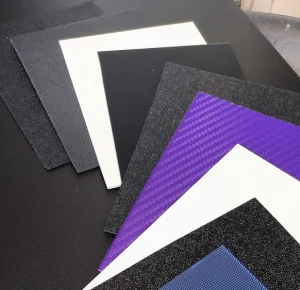
Buy China Engineering Plastic OEM Smooth Texture ABS Plastic Sheet Factory Customized Color With Size Factories, Companies
View Specifications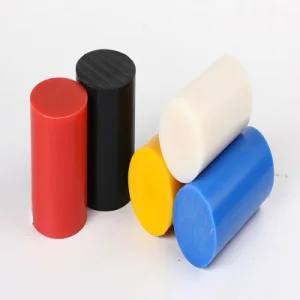
Discount MC Nylon Bar Manufacturers, Suppliers
View Specifications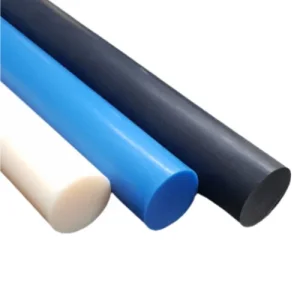
China Engineering Plastic Polyamide PA6 PA66 Nylon PP POM UHMWPE PTFE HDPE ABS Plastic Rod And Bar Manufacturers, Product
View Specifications
Famous China Supplier Bigfoot Solid Plastic Blocks Customized HDPE Safety Crane Outrigger Pads Companies, Product
View Specifications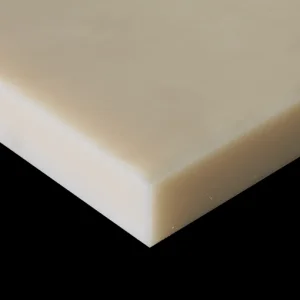
Cheap Natural MC Nylon Sheet Factories, Exporters
View Specifications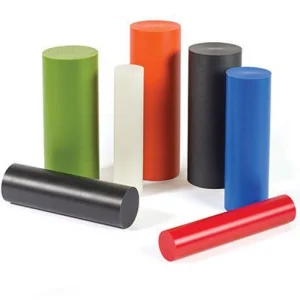
Buy Engineering Plastic Cast Board PA6 Polyamide Nylon ABS PP PTFE Plastic Rod And Bar Tube Customized Color With Size Factory, Companies
View Specifications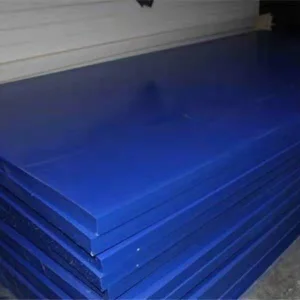
Cheap 2012 Latest Design China Factory Direct Sales Mc Nylon PA6 Sheet/ Polyamide Nylon Sheet Factories, Companies
View Specifications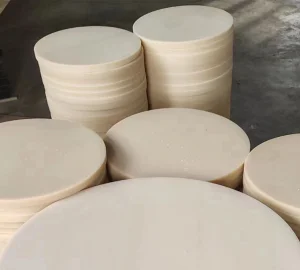
High-Quality Impact Nylon Cushion Use For Impact Hammer For Piling Machine Supplier, Suppliers
View SpecificationsRequest Certified POM Tube Samples & Engineering Quotations
Connect directly with SHUNDA senior material polymer engineers. Whether you need standard white acetal hollow bar stock, custom tight-tolerance black POM sleeves, or complete finished part CNC production according to 2D/3D STEP drawings, our facility delivers responsive, transparent pricing within 12 hours.