
Featured Semi-Finished Engineering Polymers
Premium factory-extruded and cast nylon, acetal, and high-performance polyolefin stock shapes manufactured for high-load and low-friction industrial service.
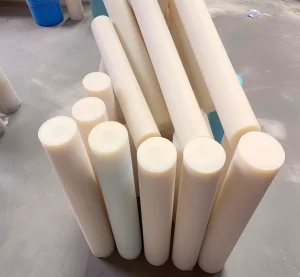
Natural MC Nylon Cast Rod Stock
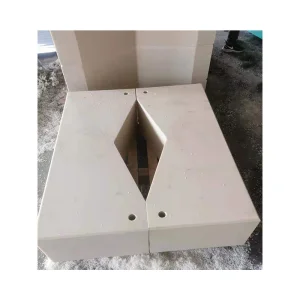
MC PA6 Hard Board Sheet
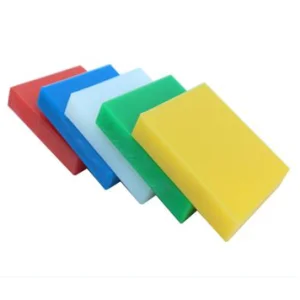
PA6/PA66/PP/UHMWPE/PTFE/ABS
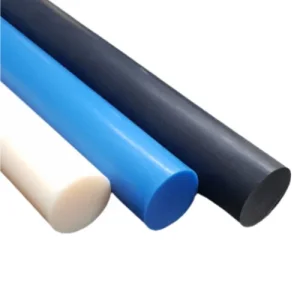
Virgin Industrial PTFE Rod
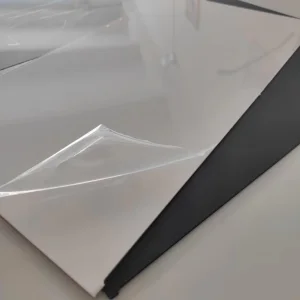
Smooth Custom ABS Sheet Plate
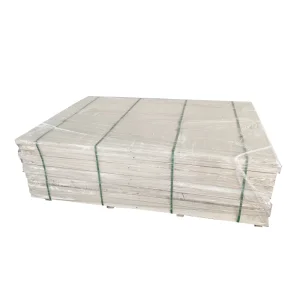
Precision Tube, Bar & Plate Stock

Delrin / POM-C White & Black Rod
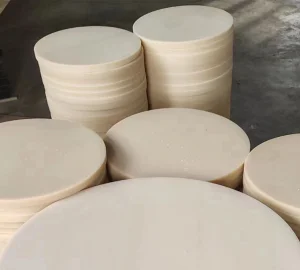
Piling Machine Impact Cushion
Global Procurement Intent: Why Leading OEMs Specify POM Rods
In modern mechanical engineering, raw material stability under fluctuating temperatures and moisture-heavy atmospheres dictates operational MTBF (Mean Time Between Failures). Cast and extruded Polyoxymethylene (POM / Acetal) round bars represent the foundational stock for precision parts.
Zero-Porosity Core Integrity
Discounted pricing frequently compromises cross-sectional uniformity. Our controlled crystallization and slow-annealing heating chambers prevent center-line porosity, making our rods ideal for high-speed CNC turning without mid-body voids.
- Eliminates internal vacuum fissures
- Balanced internal residual stress
- Optimized for deep drilling operations
Extreme Dimensional Retention
Unlike hygroscopic Polyamides (Nylon 6/66) which expand as moisture enters the matrix, POM boasts near-zero water absorption (0.2% saturation). This ensures dynamic components retain tight micrometric clearances under fluid immersion.
- Immune to ambient humidity swings
- Sub-0.01mm tolerance preservation
- Critical for fluid metering & valves
Dry-Running Tribological Wear
The inherent crystalline structure provides a glass-smooth coefficient of dynamic friction (0.25 to 0.35) against steel, eliminating stick-slip behavior and ensuring clean, oil-free movement in food, textile, and electronic assembly plants.
- Low heat generation during cyclic contact
- Resistant to frictional surface welding
- FDA compliant grades available
Macro Industry Solutions: Engineering POM-C vs. POM-H Across Sectors
From chemical fluid processing plants in Western Europe to automotive actuation tier-1s in North America, we align acetal resin formulations to specific field stressors.
Automotive Dynamics
Applied in windshield wiper gears, fuel gauge senders, door lock modules, and steering column bushings where fatigue resistance under thermal cycles (-40°C to +100°C) is mandatory.
Food & Pharmaceuticals
EU 10/2011 and FDA-compliant POM rods resist frequent CIP (Clean-In-Place) caustic washing cycles without chemical crazing, yielding hygienic dosing pistons and filling stars.
Consumer Electronics
Micro-turned gear trains, audio-visual guide rollers, and structural levers take advantage of polyacetal’s natural spring memory and dielectric isolation properties.
Fluid Control Valves
Sanitary ball valve seats, water meter impellers, and manifold housings leverage low thermal elongation and resistance to chloramine degradation in municipal networks.
| Performance Property (Unit) | POM-C (Acetal Copolymer) | POM-H (Delrin Homopolymer) | Cast MC Nylon (PA6) | Strategic Selection Rationale |
|---|---|---|---|---|
| Tensile Strength at Yield (MPa) | 65 - 70 | 75 - 82 | 78 - 85 | POM-H provides higher peak mechanical rigidity; POM-C yields better chemical stability. |
| Moisture Absorption (24hr %) | 0.20% | 0.25% | 1.80% - 6.50% | POM eliminates diameter expansion under high humidity or submerged conditions. |
| Centerline Porosity Risk | Very Low (Vacuum Annealed) | Medium-High (Natural Shrinkage) | Low (Static Gravity Cast) | Our discount POM copolymer stocks utilize stabilized crystallization to avoid voids. |
| Continuous Service Temp (°C) | -50 to +105 | -50 to +90 | -40 to +110 | POM-C withstands continuous hot water and caustic washdown exposure significantly better. |
| Dynamic Coeff. of Friction | 0.30 (Dry on Steel) | 0.27 (Dry on Steel) | 0.38 (Dry on Steel) | Ideal for unlubricated mechanical drives, non-chattering slider rails, and precision gears. |
Technical Roadmap: Precision Manufacturing & Stress-Relief Protocol
Our competitive export pricing originates from automated production scale and efficient scrap elimination—not compromised molecular structures or unverified regrinds.
1. Controlled Twin-Screw Extrusion
High-grade virgin polyacetal resin (MFI strictly calibrated at 9.0 g/10min) is homogenized with heat-stabilizing additives. Melt temperatures are managed within a ±1.5°C threshold across barrel zones to avoid thermal depolymerization and hazardous formaldehyde emissions.
2. Multi-Stage Annealing Cycles
Extruded bars pass directly into convection hot-air and liquid heat-medium annealing ovens. Temperature is ramped down at a strictly controlled 2.5°C/hr pace over a 48-hour period. This neutralizes latent crystalline strain, preventing warpage or curved deflections after Swiss-type CNC cutting.
3. Ultrasonic Defect & Runout Testing
Rods undergo 100% inline non-destructive ultrasonic immersion testing to flag sub-surface shrinkage voids. Calibrated centerless grinding machines then ensure external straightness tolerances below 0.25mm per 1000mm length, guaranteeing reliable feed inside auto-bar loaders.
Global Commercial Landscape: Regulatory Alignment & Supply Assurance
Cross-border procurement demands rigorous compliance with international customs standards, hazardous substance restrictions, and logistical security.
RoHS & REACH Declarations
All SHUNDA polyacetal and polyamide shapes comply fully with SVHC (Substances of Very High Concern) lists under EU Regulation (EC) No 1907/2006. Independent third-party SGS/TÜV test certifications accompany every bill of lading.
Export-Ready Shock Packaging
Plastic rods are susceptible to micro-scratches and longitudinal deflection if dropped. Our rods are bundle-strapped with heavy-duty PE moisture film, wrapped in shock-absorbent multi-wall corrugated cardboard, and packed within fumigated timber crates with steel banding.
Factory Direct FOB & CIF Logistics
Situated in Hebei Province, our logistics fleet provides streamlined multimodal transit routes directly into Tianjin/Qingdao ports. Standard inventory rods can be consolidated into 20GP or 40HQ containers within 5-7 business days of PO validation.
Specialized Engineering Plastic Stock & Custom Machined Parts
Explore our complete production spectrum: From heavy cast nylon pads and structural rollers to hollow acetal bushings and chemical storage plates.
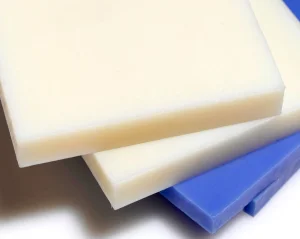
OEM Natural & Blue Plate Sheet
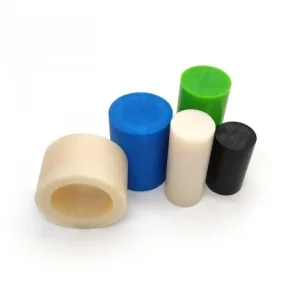
Cast PA6 / ABS / PP / PTFE Board
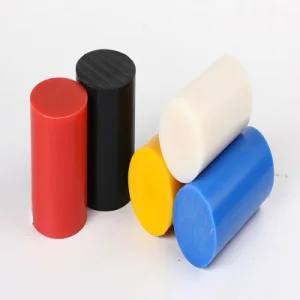
China Cast Nylon Solid Rod
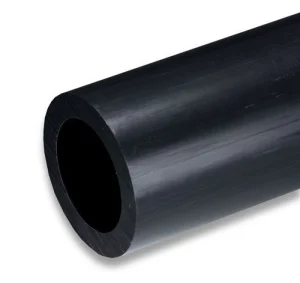
White & Black POM Bushing Tube
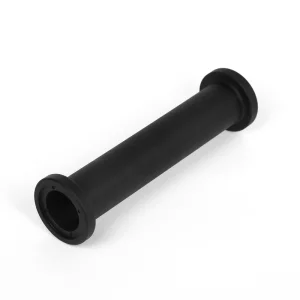
Precision Machined Nylon Roller
Full Portfolio Engineering Bars
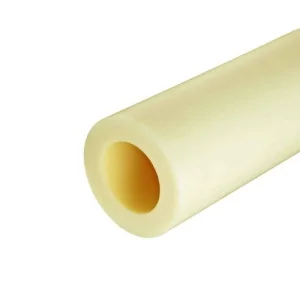
Nylon / PP / ABS Precision Tube
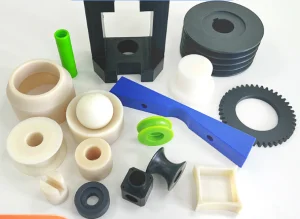
Heavy Load Cast MC Nylon Pad
Procurement Engineering FAQ: Cast POM & Acetal Rods
Direct responses from our chemical and materials engineering team regarding specification, machining tolerances, and containerized transport economics.