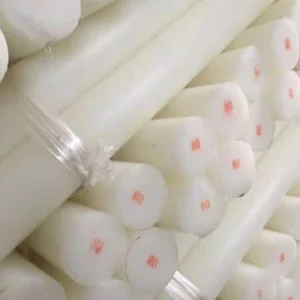
High-Performance Polymer Stock & Semi-Finished Bars
Direct manufacturer supply spanning polymethyl methacrylate (acrylic), MC cast nylon, polypropylene, and engineered polymers for global machining centers.
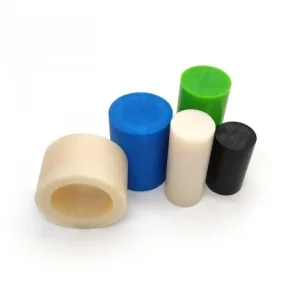
Discount Engineering Plastic Cast Board PA6 Polyamide Nylon ABS PP PTFE Plastic Tube Rod And Bar
Product Specs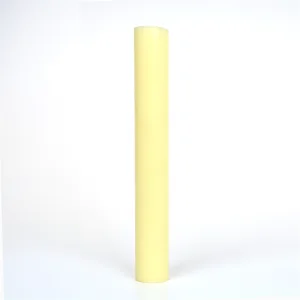
Buy Trending Products China High Quality PP Rod, Polypropylene Rod, Plastic Rod With White, Grey, Green Color
Product Specs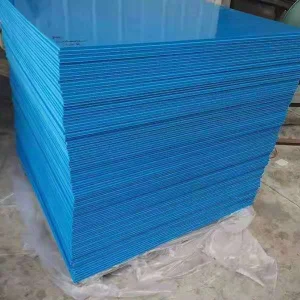
China Blue MC Nylon Sheet Manufacturers, Companies
Product Specs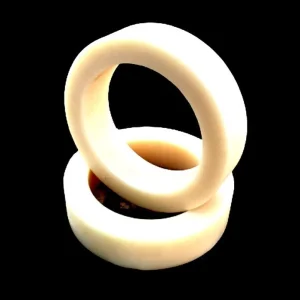
Buy Plastics Polyamide Natural MC Nylon Ring Cast Nylon Tube PA6 POM Rod Round Bar
Product Specs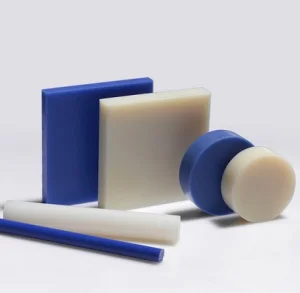
Discount China Engineering Plastic Polyamide PA6 PA66 Nylon PP UHMWPE PTFE HDPE ABS Plastic Sheet
Product Specs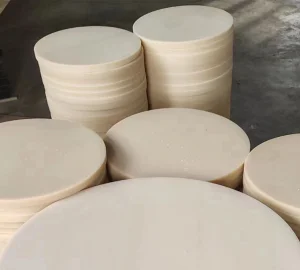
Discount Impact Cushion Use For Impact Hammer For Piling Machine Suppliers, Exporters
Product Specs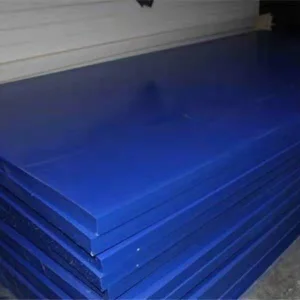
Discount High-Quality MC Casting Nylon PA6 HDPE UHMWPE Sheet Engineering Plastics
Product Specs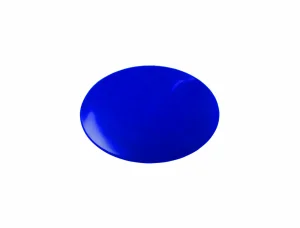
China Impact Round Blue Color Nylon Cushion Use For Impact Hammer Piling Machine
Product SpecsCast vs. Extruded Acrylic Rods: Engineering Analysis & Global Outlook
Bridging optical clarity (92%+ light transmittance) with mechanical machinability to meet expanding commercial and extreme industrial demands across Europe, North America, and the Asia-Pacific.
Monomer Purity & Autoclave Annealing
Discount acrylic rod procurement often risks internal stresses and yellowing due to secondary recycled content. SHUNDA sources 100% virgin methyl methacrylate (MMA) monomers processed in vacuum autoclaves. Programmed thermal annealing cycles strip away residual internal shear stress, allowing clean turning, threading, and high-speed CNC milling without catastrophic spiderweb micro-crazing.
Optical Transmission vs. Environmental Resilience
PMMA acrylic round stock provides clear advantages over standard glass: half the overall mass, ten times the impact resilience, and exceptional UV resistance. Unlike cheaper plastic substitutes that degrade under outdoor exposure, our precision-cast acrylic bars incorporate hindered amine light stabilizers (HALS), maintaining clarity across 10-year outdoor operational horizons without solarization.
Global Industrial & Commercial Landscape
From architectural light-guide pillars in metropolitan developments to microfluidic medical manifolds and aerospace sight indicators, modern design calls for exact dimensional concentricity. Our Hebei manufacturing facility matches tight international tolerances (DIN ISO 2768-mK), ensuring overseas distributors and OEMs retain an unbeatable price-performance advantage.
China Factory Scalability, Agile Tooling & Realized Cost Efficiency
How SHUNDA’s vertical production ecosystem decouples industrial buyers from volatile intermediaries while maintaining stringent international standards.
Integrated Monomer-to-Part Integration
By coupling continuous vertical casting tubes, horizontal extrusion lines, and 4-axis CNC turning facilities within a single Hebei industrial hub, SHUNDA eliminates external logistics markups. Bulk resin procurement contracts buffer overseas clients from petrochemical volatility, yielding up to 30% savings against western regional stockists.
Centerless Grinding & Micron Precision
Cast acrylic round bars characteristically display surface cooling variations. Our facility integrates hydraulic automated centerless grinding machines that shave off diameter variance down to ±0.05 mm, followed by inline diamond flame and vapor buffing for mirror-polished optical finish ready for laser optics or fluid mechanics.
Rapid Prototype to Series Container Loads
Whether providing tailor-cut prototype rods for custom lighting projects or shipping multi-container consignments of high-density cast nylon cushions, POM rods, and custom acrylic stock, our scheduling pipeline guarantees reliable 10 to 15-day factory turnaround across customized cross-sections.
Next-Generation Polymer Formulations & Precision Optics
Our long-range development program aligns factory tooling with international sustainability directives, higher glass-transition thresholds, and micro-machining performance.
Optically Pure PMMA & Stress Relief
Complete deployment of computerized multi-stage convection ovens for comprehensive de-stressing. Guaranteed 0% bubble inclusion, refractive index 1.49, and automated diametric tolerance indexing across diameters from 5mm up to 350mm.
Modified High-Impact Formulations
Introduction of elastomeric nanoparticle core-shell modifiers to acrylic casting batches, increasing Charpy unnotched impact strength by 240% while preserving optical transparency for demanding machinery shields and security sight glass.
Circular rPMMA & Bio-Based Resins
Engineering pilot infrastructure for chemical depolymerization recycling (rMMA) to supply closed-loop recycled acrylic bars meeting EU carbon border adjustments (CBAM) without compromising clarity or tensile moduli.
Localized Engineering Applications & Global Compliance Assurance
Meeting international statutory standards including REACH, RoHS, FDA food-contact criteria, and ISO 9001:2015 quality management benchmarks.
Food Processing & Medical Fluidics
Chemically inert and biocompatible formulations conforming to FDA 21 CFR 177.1010 for food contact components, dispensing sight tubes, fluid valves, and sterile biopharma manifolds requiring periodic CIP sanitation protocols.
Architectural, Retail & Light Guides
Cast acrylic solid rods function as core total internal reflection (TIR) optical conduits for luxury retail balustrades, premium museum illuminators, interior architectural columns, and illuminated artistic installations across global landmarks.
Full Regulatory Dossiers & Export Crating
Consignments ship with full mill test certificates (MTC), non-phthalate certifications, and RoHS/REACH SVHC declarations. Packed in fumigated solid timber crates lined with moisture-barrier PE films and shock-absorbing corrugated interleaves.
Frequently Asked Questions: Sourcing Acrylic Rods & Industrial Polymers
Authoritative technical clarifications addressing raw material selection, CNC machining tolerances, minimum order thresholds, and international maritime logistics.
Cast acrylic rods are synthesized via batch polymerization inside glass molds, yielding higher molecular weights. This translates into greater thermal resistance, superior chemical resistance to hydrocarbons, and cleanest results during CNC drilling, threading, and lathe polishing without gummy melt. Extruded acrylic rods, while economical with tighter continuous outer-diameter consistency, possess a lower melting point and are more susceptible to stress-cracking under solvent contact.
Yes. We formulate customized color masterbatches tailored to Pantone or RAL standards—including transparent ruby, smoke tint, amber, and opaque white. Surface finishes range from high-gloss diamond polished to fine satin frosted (diffusing). Standard cast rod diameters range from 5mm up to 350mm, with custom continuous lengths up to 3000mm depending on freight limitations.
Micro-crazing in acrylic rods stems from frozen internal stresses incurred during cooling. Every batch of cast rods at SHUNDA undergoes programmed convective annealing—slowly elevating material temperatures up to 80°C–90°C followed by a gradual cooldown rate under 10°C per hour. This standard relieves locked residual strains, facilitating flawless laser cutting, micro-milling, and vapor polishing.
Acrylic excels in pure light transmission (92% vs 88% for PC), superior UV degradation resilience, and superior scratch hardness (Rockwell M95). PC is reserved for severe ballistic and high-temperature impact requirements. POM (polyoxymethylene) provides significantly lower frictional coefficients and higher yield strength, making it ideal for moving structural components like internal gears and bearings rather than optical viewports.
Custom Heavy-Duty Plastic Boards, Tubes & Cushion Rings
Engineered backing plates, POM acetal rods, and MC casting nylon components for extreme industrial impact, wear pads, and piling machinery.
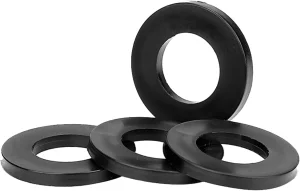
Discount Impact Blue White Black Color Nylon Ring Cushion Use For Impact Hammer
Product Specs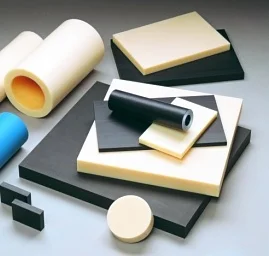
OEM Engineering Plastic Backing Casting Board Nylon PP ABS PTFE UHMWPE Board
Product Specs
Cheap HDPE Sheet Exporters, Company
Product Specs
China White POM Rod, Black POM Rod, POM Bar, POM Plastic Rod Suppliers
Product Specs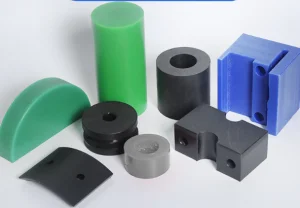
Discount MC Nylon Machined Parts Manufacturers, Exporter
Product Specs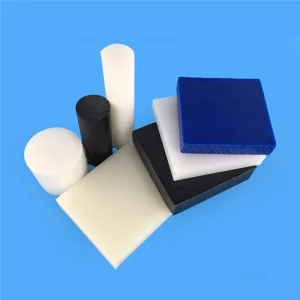
Famous Engineering Plastic Cast Sheet Board PA6 Polyamide Nylon PP HDPE ABS
Product Specs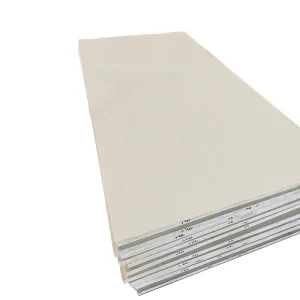
China Engineering Plastic Casting Polyamide Nylon ABS PTFE HDPE UHMWPE Plastic Sheet Tube Rod
Product Specs