
Engineering Plastics & High-Density Profiles
Direct factory inventory spanning extruded, sintered, and cast semi-finished industrial polymers engineered to international ISO and ASTM tolerances.
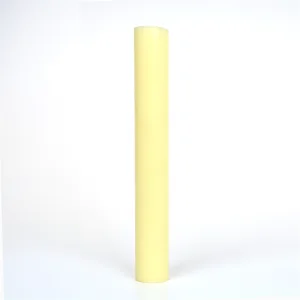
Buy PP Rod ,ABS Rod,Nylon Rod Bar, PTFE Rod,Plastic Rod, All Kinds Of Plastic Products Factories, Exporter
Inquire Specifications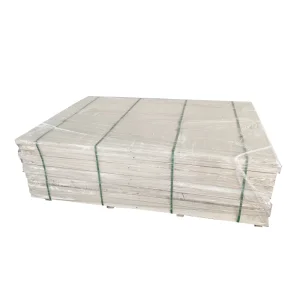
High-Quality China Engineering Plastic Polyamide PA6 PA66 Nylon PP UHMWPE PTFE HDPE ABS Plastic Sheet Tube Rod And Bar Customized Color With Size Suppliers, Factory
Inquire Specifications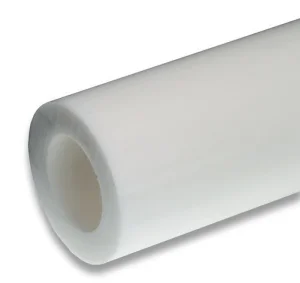
Cheap POM Tube White POM Tube, Black POM Tube, POM Pipe, POM Plastic Tube Pipe Factories, Exporter
Inquire Specifications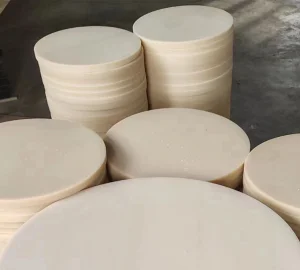
High-Quality Impact Nylon Cushion Use For Impact Hammer For Piling Machine Supplier, Suppliers
Inquire Specifications
Wholesale Impact Black Color Nylon Cushion Use For Impact Hammer For Piling Machine Manufacturer, Product
Inquire Specifications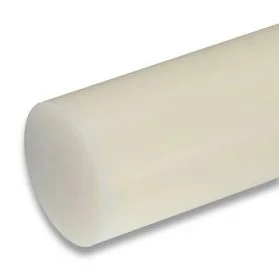
OEM Plastics Polyamide Natural Mc Nylon Cast Nylon PA6 Rod Round Bar Engineering Plastic Polyamide PA6 PA66 POM Nylon PP UHMWPE PTFE HDPE ABS Plastic Rod And Bar Manufacturer, Company
Inquire Specifications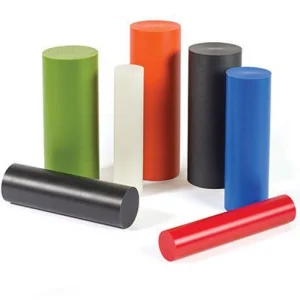
Buy Engineering Plastic Cast Board PA6 Polyamide Nylon ABS PP PTFE Plastic Rod And Bar Tube Customized Color With Size Factory, Companies
Inquire Specifications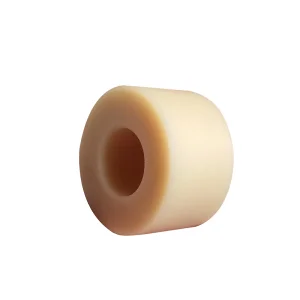
China Good Wholesale Vendors China High Hardness Plastic Products POM /Delrin Nylon/Rods 10mmx1000mm White Rod/Color Plastic Rods Manufacturers, Supplier
Inquire SpecificationsGlobal UHMWPE Sheet Landscape & Industrial Demand Dynamics
Analyzing the transition from traditional alloy liners to Ultra-High Molecular Weight Polyethylene across global bulk material handling, maritime logistics, and precision automation.
Global Market Expansion
The global UHMWPE sheet market has experienced sustained compound annual growth above 8.4% CAGR, driven by aggressive decarbonization mandates and energy reduction initiatives. Traditional wear plates fabricated from hardened carbon steel or manganese alloys demand significant parasitic weight on conveyor systems, excavators, and railcars.
Modern plant managers are transitioning to polymer lining architectures. By deploying UHMW-PE sheets (molecular weights ranging between 3.0 to 9.2 million g/mol), industrial operations achieve exceptional abrasive slide properties while cutting deadweight by nearly 85% relative to mild steel.
Critical Tribological Shifts
Bulk solids handling in coal handling preparation plants (CHPP), iron ore extraction, and cement batching faces catastrophic production losses due to ratholing, arching, and mechanical plugging. Moisture contents above 8% in sub-bituminous coals create tenacious adhesive bonds with oxidized metal surfaces.
Ultra-High Molecular Weight Polyethylene demonstrates virtually zero water absorption (<0.01% via ASTM D570) and a friction coefficient comparable to PTFE (μ = 0.08 - 0.12). This ensures steady laminar gravity flow even under severe sub-zero thermal cycling.
Advanced Maritime Demands
Port engineering infrastructure across Rotterdam, Singapore, Qingdao, and Long Beach has shifted completely toward UHMWPE fender face pads. The chemical inertness against saline exposure, total resistance to marine borers, and unyielding impact dampening prevent vessel hull shearing.
In cryogenic LNG terminal transport and arctic ice-breaker belt cladding, UHMWPE remains ductile without brittle transition down to -200°C, ensuring fail-safe structural integrity where engineering nylon or standard HDPE shatter under dynamic shock loads.
China Sintering Press Prowess & Manufacturing Efficiency
Deconstructing the technical and operational superiority of specialized Chinese compression molding facilities: from multi-ram tonnage presses to automated molecular weight stabilization.
Multi-Day High-Tonnage Sintering Cycles
Unlike conventional thermoplastics like nylon or polypropylene that melt into a low-viscosity liquid, true UHMWPE possesses a zero-shear melt index. It cannot be injection molded or screw-extruded through conventional dies without degrading polymer chains. China's top tier factories utilize massive 3,500 to 10,000-metric-ton multi-day hydraulic sintering presses.
Raw nascent virgin polymer powder is cold-compacted, progressively heated under tight vacuum profiles to 200°C–220°C to achieve complete molecular entanglement without thermal decomposition, and then slowly cooled over 8 to 24 hours under constant hydraulic pressure. This eliminates interior micro-voids and ensures continuous density from core to perimeter.
Supply Chain Cluster & Resin Economics
China's centralized petrochemical clusters in Hebei, Shandong, and Jiangsu produce specialized Ziegler-Natta catalyzed ethylene resins in high volume. Factories located in direct proximity to primary monomer producers eliminate overseas resin transit delays, reducing base material acquisition costs by 25% to 35% compared to North American or European compounders.
Furthermore, leading Chinese manufacturers maintain dedicated CNC machining hubs equipped with large-bed 5-axis routers (up to 3,000 mm × 12,000 mm beds), performing precision counter-boring, chamfering, interlocking dovetailing, and complex curving directly within the extrusion bay.
Unscrupulous global suppliers frequently blend off-spec HDPE scrap or low-grade regrind into UHMWPE powder, artificially passing short-term visual inspections. At China's premier audited plants, every master batch undergoes Intrinsic Viscosity (IV) testing (ISO 1628-3) and Double-Notched Charpy Impact resistance validation (ISO 11542-2). True virgin 5.0M molecular weight UHMWPE does not break under standard Izod impact testing; dilution with standard PE causes instantaneous brittle cleavage below 70 kJ/m².
Material Engineering Matrix: UHMWPE vs. Engineering Plastics
Quantitative tribological, chemical, and physical data points calibrated via standardized laboratory conditions.
| Property Parameter | Test Standard | UHMWPE (Premium Virgin) | Cast MC Nylon (PA6) | Acetal / POM-C | PTFE (Virgin) | Carbon Steel (A36) |
|---|---|---|---|---|---|---|
| Molecular Weight (g/mol) | ISO 1628-3 | 5.0M – 9.2M | ~35,000 | ~45,000 | ~400,000 | N/A (Crystalline) |
| Density (g/cm³) | ISO 1183 | 0.93 – 0.94 | 1.15 | 1.41 | 2.16 | 7.85 |
| Sand Slurry Wear Index (Steel=100) | ISO 15527 | 15 – 20 (Superior) | 85 | 110 | 350 (Rapid Wear) | 100 (Baseline) |
| Coeff. of Dynamic Friction (μ) | ASTM D1894 | 0.08 – 0.12 | 0.30 – 0.40 | 0.25 – 0.32 | 0.04 – 0.08 | 0.50 – 0.70 |
| Double-Notch Charpy Impact | ISO 11542-2 | 140 – 190 kJ/m² (No Break) | 4.5 kJ/m² | 6.0 kJ/m² | 12 kJ/m² | Deforms Plastically |
| Water Absorption (24h immersion) | ASTM D570 | < 0.01% (Zero Swell) | 1.5% – 6.5% | 0.20% | < 0.01% | Corrosive Oxidation |
| Continuous Service Temp Range | Operating Range | -200°C to +80°C | -40°C to +110°C | -50°C to +100°C | -200°C to +260°C | -40°C to +400°C |
Hydrophobic Stability
Unlike Nylon PA6/PA66 which absorbs ambient moisture leading to swelling, dimensional inaccuracy, and embrittlement over seasonal cycles, UHMWPE retains 100% mechanical tolerance in full submerged freshwater or seawater operation.
Self-Lubrication Longevity
The long, unbranched polyethylene macromolecular chains orient themselves in the direction of shear force, producing a self-replenishing transfer film that prevents material accretion, gumming, and static build-up on chute faces.
Energy Absorption Capacity
Under ballistic, shock, or heavy rock drop impacts, UHMWPE absorbs kinetic energy through elastic deformation rather than fracture propagation, dampening vibrational noise within metal structures by up to 15 decibels.
Localized Engineering Applications & Case Scenarios
Strategic deployment maps illustrating the substitution of wear-prone components with customized UHMWPE formulations.
Mining Chute & Silo Liners
Transfer chutes in heavy metal mining convey thousands of tons of wet, sticky ores daily. Mechanically fastened UHMWPE liners (typically 12mm to 50mm thick with countersunk weld-washers) eliminate arching and catastrophic blockages, increasing throughput efficiency by over 32% while protecting structural steelwork from gouging abrasion.
Marine Fender Facing Pads
Harbor quays subject vessel berths to continuous tidal surging and heavy berthing forces. Fender front shields made of UV-stabilized, virgin UHMWPE provide smooth glide surfaces that eliminate damage to naval vessel hulls, absorbing berthing shear while resisting oil contamination, barnacle crusting, and salt crystallization.
Automated Bottling & Conveyors
High-speed food, pharmaceutical, and beverage canning lines operate with zero external liquid lubricants to avoid contamination. CNC machined UHMWPE chain guides, starwheels, curves, and wear strips maintain smooth line velocity up to 1,200 containers/min with negligible noise and minimal motor amperage draw.
Nuclear Shielding & Cryo-Seals
Borated UHMWPE sheets (compounded with 5% to 10% elemental Boron) serve as premier lightweight neutron radiation barriers in cancer radiotherapy vaults, nuclear fuel casks, and military maritime vessels. Unfilled cryo-grades serve as self-sealing gaskets down to liquefied helium temperatures.
Global Procurement Architecture: Quality Verification Protocols
A structured quality control framework for industrial buyers auditing China UHMWPE factories to guarantee consistent molecular integrity and planarity.
01. Resin Viscosity & Molecular Density
Procurement teams should require third-party verification via Ubbelohde viscometer testing in decahydronaphthalene at 135°C (ISO 1628-3). Ensure that the intrinsic viscosity correlates directly to the agreed grade: >2,300 ml/g for 5.0M MW and >3,300 ml/g for 9.0M MW. Reject lots where supplier documentation only specifies bulk density without IV values.
02. Press Planarity & Stress Annealing
Rapid cooling to decrease cycle times induces intense residual stresses within semi-crystalline polymers, causing catastrophic warpage upon secondary CNC cutting. Premium Chinese manufacturers incorporate secondary in-press annealing stages, maintaining strict planarity tolerances within ±0.5 mm per linear meter across the entire slab dimension.
03. Ultrasonic Thickness & Void Inspection
Industrial slabs ranging from 50 mm to 200 mm thickness must be systematically mapped via multi-transducer ultrasonic flaw detectors. Internal micro-porosity caused by trapped air during powder compression ruins shear strength and promotes localized fatigue cracking in outrigger pads or heavy truck liner floors.
Engineered Composite UHMWPE Modifications
Tailored additive packages formulated during dry-blending to conquer extreme environmental variables.
Anti-Static / Conductive (ATEX)
Compounded with specialized electro-conductive carbon black nanoparticles, dropping surface resistivity down to 10³ - 10&sup5; Ω/sq. Crucial for explosive atmospheres such as grain elevators, munitions manufacturing, and coal hoppers to prevent catastrophic electrostatic discharge sparking.
Ceramic / Glass Bead Filled
Microscopic hollow glass microspheres or alumina ceramic powders blended into 7.0M MW resin create hyper-durable conveyor rails. The glass matrix shields polymer chains against fine silica sand slurry cutting, doubling wear longevity in wet dredging operations.
High-Temperature Cross-Linked
Formulated with free-radical peroxides or radiation cross-linking agents, pushing peak heat deflection temperatures from the standard 80°C threshold up to 135°C continuous. Prevents premature softening in asphalt batching trucks and hot clinker drop funnels.
Heavy-Duty Cast, Moulded & Machined Stock
Explore customized large-format sheets, high-hardness acetal rods, and reinforced nylon impact hammer cushions manufactured for severe duty cycles.
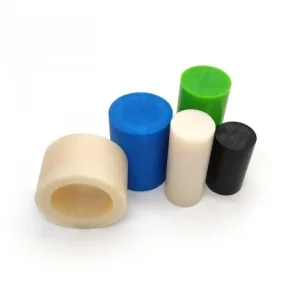
Discount Engineering Plastic Cast Board PA6 Polyamide Nylon ABS PP PTFE Plastic Tube Rod And Bar Customized Color With Size Manufacturer, Suppliers
Inquire Specifications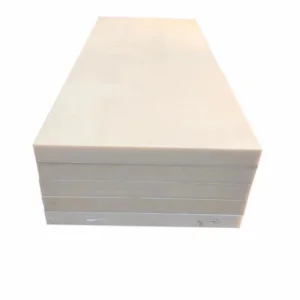
Buy China Gold Supplier Nylon PA6 HDPE UHMWPE ABS PP Moulded Plastic Sheet In Large Size Companies, Products
Inquire Specifications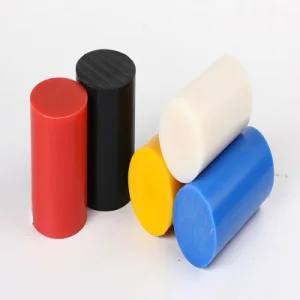
China Cast Nylon Rod Manufacturers, Products
Inquire Specifications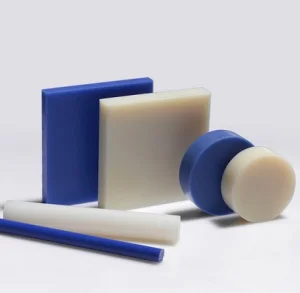
Discount China Engineering Plastic Polyamide PA6 PA66 Nylon PP UHMWPE PTFE HDPE ABS Plastic Sheet And Rod And Bar Suppliers, Company
Inquire Specifications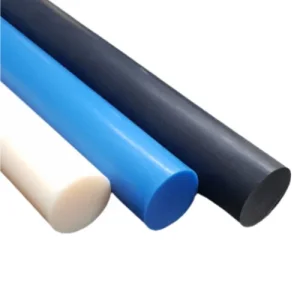
China Engineering Plastic Polyamide PA6 PA66 Nylon PP POM UHMWPE PTFE HDPE ABS Plastic Rod And Bar Manufacturers, Product
Inquire Specifications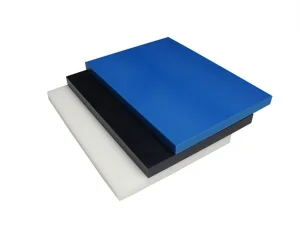
Wholesale Natural Nylon Plate/Sheet, Black Nylon Plate/Sheet, Blue Nylon Plate/Sheet Exporter, Product
Inquire Specifications
China Special Price for Wholesale Plastic Borad PA6/PA66 Board Durable Nylon Rods for Various Uses Factory, Exporter
Inquire Specifications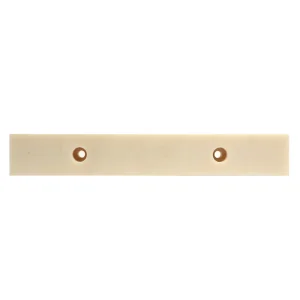
OEM Nylon,ABS,HDPE ,UHMWPE Plastic Sheet Pad With Hole Supplier, Company
Inquire SpecificationsIndustry Evolution & Sustainable Manufacturing Trends
Analyzing key technical shifts accelerating the transformation of China's polymer processing infrastructure.
Circular Economy & Eco-Regrind
Global mining consortia increasingly demand documented ESG compliance. Leading Chinese facilities have engineered multi-tier reprocessed formulations where virgin polymer encapsulates a clean, single-origin post-industrial UHMWPE core.
This retains up to 80% of prime abrasive resistance while reducing carbon footprint by 42% and trimming costs on secondary wear applications like dump truck underbodies.
Intelligent Ram Sintering Automation
The implementation of AI-assisted thermal sensors and dynamic pressure modulation during hydraulic consolidation has minimized cycle variances. Real-time infrared spectroscopy detects resin contamination before the mold closes.
This closed-loop feedback maintains internal crystallite uniformity across super-thick slabs (up to 300 mm), ensuring zero delamination during sub-zero operational service.
Direct-to-Drawing CNC Finishing
Rather than shipping unfinished rough-sawn slabs that require secondary conversion overseas, China's modern export plants ship turn-key wear packages.
High-precision nesting algorithms maximize yield, delivering complete pre-drilled, chamfered, and numbered kits directly to installation sites, reducing plant downtime during scheduled relining turnarounds.
Technical & Procurement Inquiries for China UHMWPE Sourcing
Authoritative, engineering-validated responses to the most critical inquiries posed by global procurement directors and plant reliability engineers.
How do I verify if a China factory is supplying true virgin UHMWPE vs. standard HDPE?
Request an Intrinsic Viscosity (IV) test certificate according to ISO 1628-3. Standard HDPE has an IV below 300 ml/g, whereas true UHMWPE features an IV between 1,800 and 3,600 ml/g. In the field, run a quick Charpy test: pure virgin UHMWPE exhibits double-notched impact strength exceeding 130 kJ/m² and will not fracture, while HDPE exhibits sharp brittle breakage at ~10 kJ/m².
What are the standard sheet sizes and maximum thicknesses available from Chinese presses?
Standard compression-molded dimensions include 2,000 × 1,000 mm, 3,000 × 1,500 mm, 3,050 × 1,220 mm (4×8 and 4×10 ft equivalents), 4,000 × 2,000 mm, and giant 6,000 × 2,000 mm slabs. Thickness profiles range from 3 mm to 300 mm. Custom cut-to-size and profiled strips can be precision routed down to ±0.1 mm tolerance on calibrated 5-axis router tables.
Can UHMWPE sheets be welded or glued to steel backing plates?
UHMWPE possesses an exceptionally inert, non-polar surface energy (approx. 31 dynes/cm), meaning standard industrial epoxies and glues will not bond permanently without specialized chemical etching or corona treatment. The engineering standard is mechanical fastening via stud-welding or countersunk bolts with conical steel washers. For edge-sealing, specialized extrusion welding guns with matching UHMWPE/HDPE welding rods are utilized.
How does UHMWPE compare to Cast MC Nylon (PA6) in wet, abrasive sliding applications?
Cast Nylon PA6 possesses higher mechanical tensile strength and Rockwell hardness, making it superior for static, concentrated point-load applications like crane outrigger pads or heavy sheaves. However, in wet slurry environments or sliding chute systems, nylon absorbs up to 6.5% moisture, swelling and degrading its wear resistance. UHMWPE absorbs 0% moisture, exhibits half the friction coefficient, and delivers up to 4 times the sand-slurry wear life.
What is the typical export packaging standard to prevent warpage during sea freight?
Reliable Chinese exporters package UHMWPE sheets flat upon heavy-duty, fumigated heat-treated wooden or structural steel pallets. Sheets are banded with high-tension PET strapping and wrapped in multi-layer stretch film with corrugated edge-protectors. Total flat-deck constraint is essential to prevent thermal stress relaxation and bowing inside standard 20GP or 40HQ ocean freight shipping containers.
What are the lead times for custom-colored and additive-filled UHMWPE batches?
Standard natural white, jet black, and marine green virgin sheets are typically stocked in volume. Custom master batches incorporating Boron (neutron shielding), molybdenum disulfide (self-lubricating), glass bead (abrasion-boost), or specific RAL colors require high-intensity dry blending prior to press charging, which generally entails a 12 to 18-day production window for full container load (FCL) orders.