
Featured Industrial Plastic Plates, Sheets & Tubing
High-density polyvinyl chloride, cast polyamide, polyacetal, and high-performance polyolefin stock forms precision-calibrated for export and tight-tolerance machining.
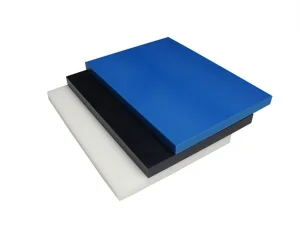
Wholesale Natural Nylon Plate/Sheet, Black Nylon Plate/Sheet, Blue Nylon Plate/Sheet Exporter, Product
View Product Details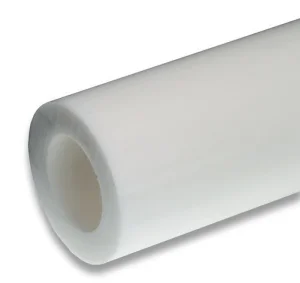
Cheap POM Tube White POM Tube, Black POM Tube, POM Pipe, POM Plastic Tube Pipe Factories, Exporter
View Product Details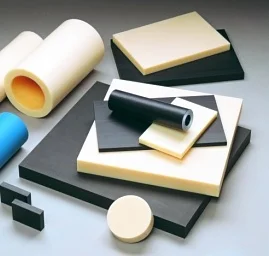
OEM Engineering Plastic Backing Casting Board Nylon PP ABS PTFE UHMWPE Board Sheet Rod Tube Waterproof Customized Color Made In China Manufacturer, Factories
View Product Details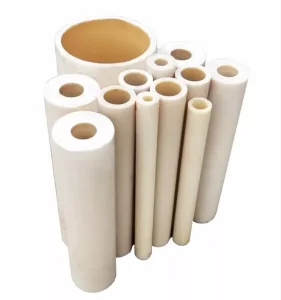
China Engineering Plastic Cast Board PA6 Polyamide Nylon ABS PP Plastic Tube Rod And Bar Customized Color With Size Factories, Products
View Product Details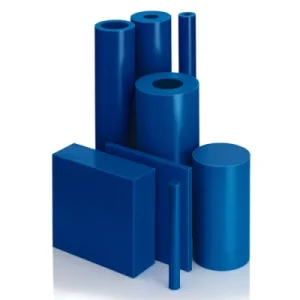
Discount UHMWPE Pad Manufacturers, Exporter
View Product Details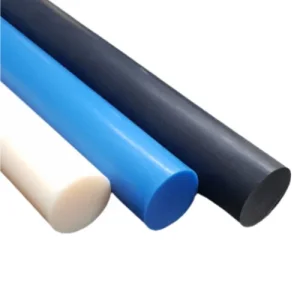
OEM Cast MC Nylon Rod Suppliers, Product
View Product Details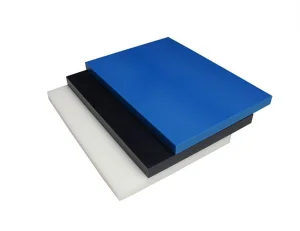
Cheap China Engineering Plastic PA6 Polyamide Nylon UHMWPE PTFE HDPE PP Plastic Sheet Board Plate Tube Rod And Bar Customized Color With Size Manufacturers, Supplier
View Product Details
China Impact Round Blue Color Nylon Cushion Use For Impact Hammer For Piling Machine Supplier, Suppliers
View Product DetailsNavigating the Polyvinyl Chloride (PVC) Sheet Manufacturing Landscape
Polyvinyl chloride (PVC) sheets constitute one of the most versatile thermoplastic backbones in modern heavy industry, chemical infrastructure, and precision fabrication. As a dominant global manufacturing hub, Chinese exporters and mills have evolved far beyond low-cost, commodity extrusion. Today, world-class Chinese facilities operate multi-axis computerized calenders, automated compounding facilities, and precision annealing lines capable of producing rigid PVC Type I, Type II, chlorinated PVC (CPVC), and microcellular foamed Celuka sheets that conform to rigorous ISO, ASTM, DIN, and EN specifications.
Rigid Industrial PVC (Type I & II)
Engineered with zero or negligible plasticizers, rigid industrial PVC sheets (homopolymer formulation) deliver extreme tensile modulus, exceptional dielectrics, and resistance to aggressive mineral acids, alkalis, and salt solutions. Ideal for wet chemical benches, plating tanks, and fume scrubbers.
- Specific Gravity: 1.40 – 1.45 g/cm³
- Flammability: UL 94 V-0 Self-Extinguishing
- Continuous Heat Distortion: Up to 65°C (149°F)
Expanded Celuka & Foam PVC
Manufactured via the controlled Celuka extrusion process, creating an ultra-smooth, hard exterior skin over an expanded microcellular core. Combines high flexural rigidity with a 50% weight reduction compared to solid sheets, serving architectural cladding and high-definition graphic printing.
- Density Range: 0.45 – 0.70 g/cm³
- Closed-Cell Moisture Absorption: < 1.0%
- Direct UV-Curable Ink & Screen Printable
CPVC & Static-Dissipative PVC
Post-chlorinated formulations (CPVC) elevate the usable thermal threshold to 95°C (203°F) for corrosive hot fluid management. Simultaneously, surface-treated or intrinsically conductive ESD-PVC plates mitigate catastrophic electrostatic charges in semiconductor and cleanroom environments.
- Heat Deflection: > 100°C under 1.8 MPa
- Surface Resistivity: 10⁶ – 10⁸ Ω/sq (ESD Grade)
- FM 4910 Cleanroom Protocol Qualified
Structural Strengths of China’s Polymer Manufacturing Ecosystem
Sourcing PVC sheets from top-tier Chinese manufacturers provides global procurement directors and EPC contractors with unmatched economies of scale, vertical resin integration, advanced production machinery, and rapid prototyping capabilities.
Feedstock Synthesis
Chinese chemical hubs utilize both the calcium carbide process and modern ethylene chlorination to synthesize domestic PVC resins (grades SG-3, SG-5, SG-8). This dual-track petrochemical infrastructure guarantees an uninterrupted supply chain and shields downstream buyers from global ethylene market shocks.
Calender Technology
Tier-one plants in Hebei, Shandong, and Jiangsu employ wide-format 4-roll and 5-roll inverted "L" calender lines. Combined with nuclear or beta-ray continuous non-contact thickness gauges, manufacturers maintain flat-sheet gauge variations within ±0.03 mm to ±0.05 mm across large web widths up to 2.0 meters.
Additive Formulation
Chinese compounding engineers formulate custom proprietary blends utilizing organic calcium-zinc (Ca/Zn) stabilizers, methyl methacrylate butadiene styrene (MBS) impact modifiers, and micronized hindered amine light stabilizers (HALS), eliminating hazardous heavy metals like lead and cadmium.
Export Logistics
Established exporters provide specialized container stowing, utilizing poly-coated moisture-resistant kraft barrier wrap, fumigated solid-timber or pressed-composite pallets, corner edge protectors, and steel-band cinching to withstand extreme high-humidity transoceanic voyages.
Engineering Property Comparison: PVC vs. Alternative Industrial Polymers
Selecting the ideal engineering thermoplastic requires evaluating chemical compatibility, flexural strength, flammability, and thermal operating envelopes. Compare how standard Chinese export-grade PVC sheets benchmark against Polypropylene (PP), Polyethylene (HDPE), Polyamide (PA6), and Polyoxymethylene (POM).
| Polymer Variant | Specific Density (g/cm³) | Tensile Strength (MPa) | Max Operating Temp (°C) | Flame Rating (UL 94) | Key Chemical Resistance Strengths | Primary Industrial Use Case |
|---|---|---|---|---|---|---|
| Rigid PVC (Type I) | 1.42 – 1.45 | 50 – 60 | 60 – 65 | V-0 (Self-extinguish) | Inorganic acids, concentrated alkalis, oxidizing salts | Chemical tanks, ventilation hoods, plating baths |
| Chlorinated PVC (CPVC) | 1.50 – 1.55 | 55 – 65 | 90 – 95 | V-0 / 5VA | Hot mineral acids, chlorine, caustic soda at high temp | High-temperature chemical processing, pipe flanges |
| Celuka Foam PVC | 0.50 – 0.65 | 15 – 22 | 55 – 60 | V-0 / B1 | Moisture, mold, dilute acids, detergents, weathering | Architectural cladding, digital printing, marine cabinetry |
| Polypropylene (PP-H) | 0.91 – 0.92 | 30 – 38 | 90 – 100 | HB (Slow Burning) | Outstanding organic solvents, concentrated alkalis | Etching machinery, wastewater treatment tanks |
| HDPE (High-Density PE) | 0.95 – 0.96 | 22 – 32 | 75 – 80 | HB (Combustible) | Exceptional impact, moisture barrier, cryogenic stability | Chute wear liners, cutting boards, marine bumpers |
| Nylon (Cast PA6) | 1.14 – 1.16 | 75 – 88 | 105 – 115 | V-2 / HB | Hydrocarbons, oils, fuels, grease; weak to acids | Bushings, heavy gears, guide wheels, wear pads |
| POM (Acetal Homopolymer) | 1.41 – 1.43 | 65 – 75 | 90 – 100 | HB (Combustible) | Neutral chemicals, fuels, dimensional stability in water | Precision gears, low-friction valve sliders, sprockets |
Localized Industrial Application Scenarios
Chinese PVC sheet exporters deliver engineered polymer slabs customized for exact physical, thermal, and regulatory environments across major overseas industrial sectors.
Chemical Processing & Pickling Tanks
Heavy-gauge rigid grey PVC sheets (thicknesses from 6 mm to 50 mm) are thermoformed, hot-gas welded, and butt-fusion bonded to create robust acid storage vessels, electrochemical etching tanks, and exhaust scrubbing towers. The natural resistance of unmodified PVC to hydrochloric acid (HCl), nitric acid combinations, and sulfuric acid (H₂SO₄) makes it an economical alternative to exotic titanium alloys or fluoropolymers.
Semiconductor & Electronics Cleanrooms
In wafer fabrication cleanrooms and flat-panel display manufacturing facilities, static discharges cause micro-particulate contamination and dielectric component damage. Specialized antistatic and transparent PVC sheets provide an optical light transmission rate over 88% while guaranteeing permanent surface decay dissipation (10⁶ to 10⁸ Ω/sq), safely draining hazardous electrostatic charges.
Architectural Cladding & Signage Displays
White Celuka foam boards and multi-layer PVC co-extruded panels are widely integrated into exterior architectural façades, moisture-proof soffits, commercial cabinetry, and digital print substrates. The closed-cell microcellular core resists moisture absorption, swelling, rot, and termite degradation, offering long-term dimensional stability in subtropical and coastal environments.
Quality Assurance Protocols & Regulatory Guarantee
Procuring engineered thermoplastics requires verified metallurgical, chemical, and physical compliance. Leading Chinese export manufacturers operate stringent Quality Management Systems (QMS) audited against international frameworks.
RoHS 3 & EU REACH SVHC Verification
Compliance with European Directive 2011/65/EU (RoHS 3) and Regulation (EC) No 1907/2006 (REACH) is non-negotiable. Modern production lines utilize high-purity organotin or calcium-zinc thermal stabilizers, completely eliminating lead (Pb), cadmium (Cd), hexavalent chromium (Cr6+), polybrominated biphenyls (PBB), and restricted ortho-phthalate plasticizers (DEHP, BBP, DBP, DIBP).
Mechanical Calibration (ASTM D1784)
Rigid PVC compounds undergo rigorous classification testing per ASTM D1784 Class 12454-B standards. Factory laboratories verify tensile strength (ASTM D638), flexural modulus (ASTM D790), Izod notched impact resistance (ASTM D256), and heat deflection temperature under load (ASTM D648) with full lot-to-lot Mill Test Certificates (MTC / 3.1 EN 10204).
Multi-Axis Secondary CNC Machining
Recognizing that overseas distributors and OEMs require turnkey finished components, manufacturers maintain dedicated clean machining shops equipped with 3-axis and 5-axis CNC routers. Services include precision panel sawing, waterjet profiling, beveling, boring, countersinking, and heat-line bending directly from customer CAD drawings (DWG, DXF, STEP).
Future Trends: Circularity, Bio-Attributed Polymers & AI Calendering
The PVC manufacturing sector in China is undertaking an aggressive technological shift focused on carbon abatement, post-industrial circularity, and intelligent production.
Closed-Loop Industrial Recycling
Modern Chinese sheet producers are integrating closed-loop post-industrial regrind systems. Clean trimmings from edge-slitting and CNC machining are granulated, re-micronized, and co-extruded as the structural inner core between virgin skin layers (A-B-A co-extrusion technology), reducing product carbon footprints without sacrificing mechanical integrity or aesthetic appeal.
Multi-Layer ASA Co-Extrusion
To solve the historical vulnerability of PVC to solar ultraviolet photo-oxidation and chalking in outdoor installations, advanced extruders are bonding an Acrylonitrile Styrene Acrylate (ASA) cap stock onto PVC base sheets. This multi-layer co-extrusion provides superior color retention, surface gloss, and weatherability in high-UV desert and equatorial regions.
AI-Integrated Extrusion Automation
Automated feedback loops driven by AI algorithms continuously evaluate melt pressure, barrel temperature zones, and screw shear stress. By communicating directly with downstream flexible die lips and cooling roll nips, these intelligent systems dynamically compensate for micro-fluctuations in resin viscosity, eliminating flow lines and internal residual stress.
Frequently Asked Questions by Global Buyers
Clear, technically rigorous answers to common operational, metallurgical, and international commercial questions asked by procurement executives.
What is the standard thickness tolerance for extruded and calendered rigid PVC sheets?
How do China exporters prevent internal stress warpage during CNC cutting or routing?
Are Chinese export PVC sheets compliant with European REACH SVHC and US TSCA regulations?
What are the key differences between Celuka Foam PVC and Free Foam PVC boards?
How are heavy PVC sheet consignments packaged to protect against oceanic transit damage?
Can rigid PVC sheets be welded and thermoformed using standard workshop equipment?
Engineering Polymer Stock Shapes & Components
Complementing our rigid and foamed PVC output, explore our factory-direct polyacetal, polyamide, acrylonitrile butadiene styrene, and ultra-high-molecular-weight polyethylene stock bars and sheets.
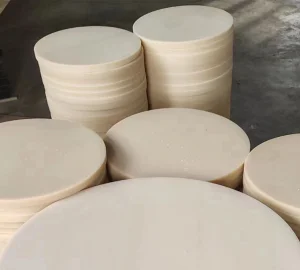
High-Quality Impact Nylon Cushion Use For Impact Hammer For Piling Machine Supplier, Suppliers
View Product Details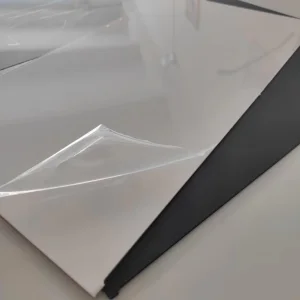
Wholesale China Engineering Plastic OEM Smooth ABS Plastic Sheet Factory Customized Color With Size For Refrigerator Door Company, Product
View Product Details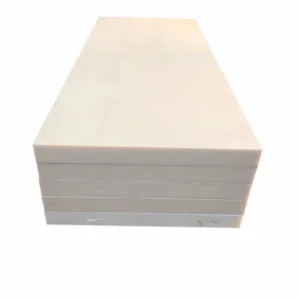
Buy Natural MC Nylon Plate Companies, Products
View Product Details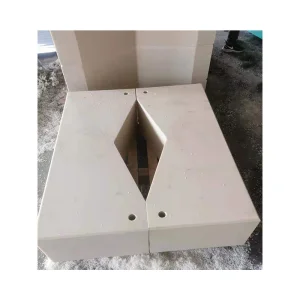
Cheap High-Quality MC Casting Nylon Sheet PA6 Engineering Plastics Nylon Hard Board Sheet Supplier, Exporters
View Product Details
China White POM Rod, Black POM Rod, POM Bar, POM Plastic Rod Suppliers, Exporter
View Product Details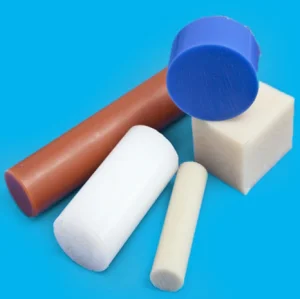
Famous China Engineering Plastic Polyamide PA6 PA66 Nylon PP UHMWPE PTFE HDPE ABS Plastic Rod And Bar Manufacturers, Suppliers
View Product Details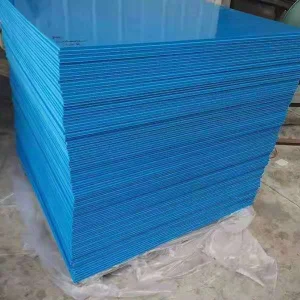
China Blue MC Nylon Sheet Manufacturers, Companies
View Product Details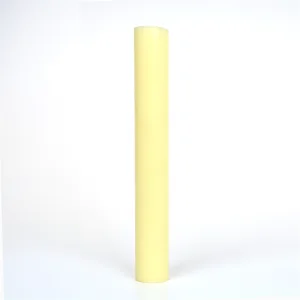
Buy Trending Products China High Quality PP Rod, Polypropylene Rod, Plastic Rod With White, Grey, Green Color etc. Manufacturers, Suppliers
View Product DetailsStep-by-Step International Procurement Guide
Our streamlined engineering and order fulfillment pipeline ensures seamless execution from technical quotation to containerized port delivery.
1. Specification Intake
Submit drawing CAD files, operating thermal limits, chemical immersion concentrations, and dimensions. Sales engineers provide a material analysis within 12 hours.
2. Sample Validation
Pre-production specimen swatches (A4 size or custom CNC coupons) are dispatched via air courier for physical hardness, chemical resistance, and machining tests.
3. Calender Extrusion
Batch compounding runs under computerized thermoregulation. Ultrasonic and nucleonic meters log planar thickness uniformity and color consistency.
4. Packaging & Ocean Logistics
Palletized consignments receive sea-freight barrier wrap, corner capping, and steel strap tie-downs. All documentation (MTC, Form E/CO, Bill of Lading) is provided promptly.