
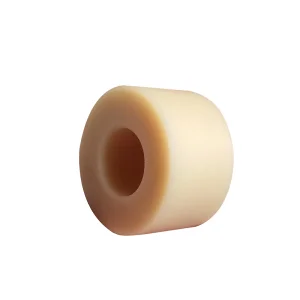
Cheap China Factory Engineering ABS, Nylon PP Plastic Tube, POM Rod, PTFE Rod, PP Tube, ABS Rod, Nylon Rod
Explore Specifications
Continuous extrusion and monomer casting rods rigorously calibrated for dimensional roundness, stress-relieved uniformity, and immediate subtractive CNC fabrication.
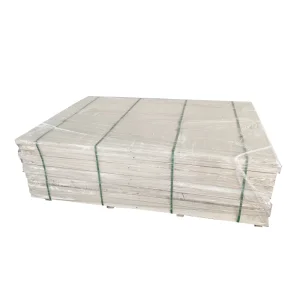
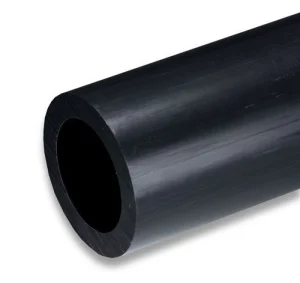
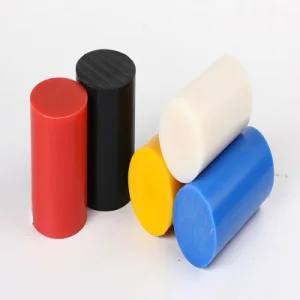
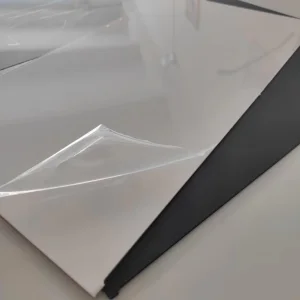
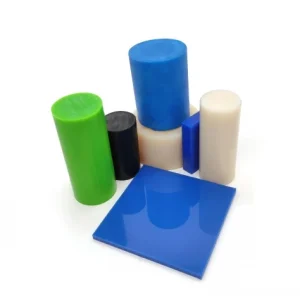
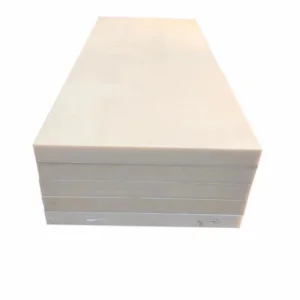
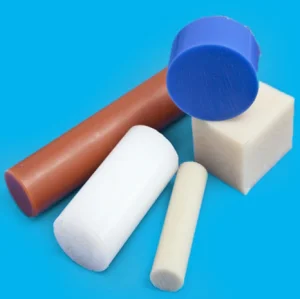
Engineering plastic rods represent the structural cornerstone of high-speed machining, precision bush production, fluidic manifolds, and low-friction motion components across modern industrial ecosystems.
Modern original equipment manufacturers (OEMs) are systematically substituting traditional bronze, brass, phosphor copper, and cast steel with engineering thermoplastic round rods. The mechanical rationale is compelling: an approximate 70% to 85% mass reduction, native dry-running tribological properties, superior acoustic dampening, and total immunity to galvanic and chemical corrosion.
In food contact, pharmaceutical fluid handling, and aggressive marine environments, engineering plastics like Acetal (POM-C) and Polyamide (PA6 / MC Cast Nylon) deliver service life metrics exceeding bronze bushings by up to 300% without external grease contamination.
China has transitioned from low-cost baseline polymer processing into an advanced precision manufacturing powerhouse. Through automated large-diameter horizontal casting lines and closed-loop single-screw/twin-screw extrusion profiles, Chinese polymer hubs provide the global market with high-volume, highly homogenous polymer billets.
Specialized industrial clusters in Hebei (such as Xinhe County), Jiangsu, and Zhejiang utilize multi-stage annealing autoclaves that systematically eliminate inner skin stresses—eradicating the centerline porosity and deformation issues that previously challenged Asian stock exports.
Supply chain fragility has driven Western tier-1 machinists and plant engineering distributors to seek certified, direct-factory Chinese manufacturing partners. The focus has moved toward "near-net shape" delivery—custom cast rod diameters and hollow tubular profiles (thick-walled cylinders) that directly curtail machining cycle times and chip waste.
By matching exact bar diameters from 10 mm to over 600 mm in cast MC nylon or POM, precision machine shops worldwide minimize cutter wear, balance lathe inertia, and achieve unprecedented material efficiency.
Selecting the optimal polymer round bar requires balancing thermal ceilings, tensile yield strength, dielectric properties, and tribological wear resistance. Below is our engineering baseline.
| Polymer Family | Common Trade / Chemical Names | Continuous Service Temp. | Tensile Modulus (MPa) | Friction Coeff. (Dynamic) | Primary Industrial Utility |
|---|---|---|---|---|---|
| PA6 / PA66 | Polyamide, Extruded Nylon 6, 66 | -40°C to +90°C | 2,800 – 3,200 | 0.25 – 0.35 | High-impact gears, threaded couplings, transport wear strips |
| MC Cast Nylon | Monomer Cast PA6G (Natural/Blue/Oil-Filled) | -40°C to +105°C | 3,200 – 3,600 | 0.15 – 0.22 (Oil grade) | Large sheaves, crane crane-outrigger wear pads, heavy rollers |
| POM-C / POM-H | Polyoxymethylene, Acetal, Delrin® Equivalent | -50°C to +100°C | 2,900 – 3,100 | 0.20 – 0.28 | Dimensional tight-tolerance precision gears, sanitary valves, slides |
| UHMWPE | Ultra-High Molecular Weight Polyethylene | -150°C to +80°C | 700 – 1,000 | 0.10 – 0.15 | Cryogenic guide rails, mining chute chutes, scraper blades |
| PTFE | Polytetrafluoroethylene, Teflon® Equivalent | -200°C to +260°C | 400 – 600 | 0.04 – 0.08 | Aggressive chemical seals, high-voltage insulators, extreme heat bushings |
| HDPE / PP | High-Density Polyethylene / Polypropylene | -40°C / 0°C to +95°C | 1,100 – 1,500 | 0.25 – 0.30 | Plating bath components, structural spacers, fluidic pipe fittings |
| ABS | Acrylonitrile Butadiene Styrene | -20°C to +75°C | 2,100 – 2,400 | 0.35 – 0.45 | Pre-production validation prototypes, electroplated architectural fittings |
Standard extruded acetal (POM-C) and large-diameter nylon rods frequently suffer from differential cooling rates between the outer perimeter and the molten core, leading to centerline porosity or micro-void vacuum cavities. At our Hebei manufacturing works, stock bars exceeding 60 mm in diameter undergo proprietary liquid-controlled gradient cooling coupled with secondary 24-hour thermal convection annealing cycles. This process reorganizes molecular crystallinity and guarantees absolute core density for deep internal drilling and tap threading.
To address unlubricated mechanical interfaces, our cast nylon production line integrates proprietary synthetic oil lubricants, molybdenum disulfide (MoS2), and solid graphite micro-particles into the caprolactam monomer matrix during liquid casting.
The resulting oil-filled cast nylon bars reduce running friction by 50% and virtually eliminate stick-slip phenomenon under high-torque, low-speed industrial conditions like overhead crane track wheels.
While Polyamide 6 exhibits exceptional mechanical impact strength, its polar amide groups naturally absorb environmental atmospheric moisture (up to 7% at saturation), generating measurable dimensional expansion and slight loss in rigidity.
For hydraulic spools, fuel metering disks, and electronic sub-components requiring tight tolerances (±0.01 mm), our engineering advisory directs procurement teams toward Acetal (POM-C) or fluoropolymer (PTFE/PVDF) rods due to their negligible moisture uptake (<0.2%).
Standard unfilled polymer bars exhibit thermal expansion coefficients roughly ten times greater than structural carbon steel. To bridge this divide, our factories extrude specialized 30% Glass-Fiber Reinforced PA66 (PA66-GF30) and POM rods.
The glass-fiber orientation imparts ultra-high flexural modulus (exceeding 8,000 MPa), improves heat deflection temperature (HDT) up to 250°C, and ensures rigorous structural integrity under persistent hydrostatic pressure.
How world-class industrial equipment relies on Chinese-manufactured precision plastic rods to navigate rigorous thermal, mechanical, chemical, and regulatory demands.
In electric drivetrain architectures, weight reduction translates directly into battery range extension. Our virgin POM and PA66 rods are turned into internal planetary gear assemblies, windshield wiper motor pinions, EV charging connector insulation rods, and suspension pivot bushings.
Sanitary food packaging lines cannot tolerate external oil lubrication or metallic particulate shedding. We manufacture FDA-compliant natural white and food-grade optical blue POM-C, UHMWPE, and PTFE rods designed specifically for continuous CIP/SIP washdowns.
Semiconductor front-end wafer handling chucks, wet-etching transfer rollers, and CMP polishing retainers require ultra-high chemical purity and static dissipation. We extrude and cast advanced conductive, antistatic (ESD), and ultra-pure PTFE/PVDF round bars.
Harsh operating conditions in open-pit iron ore mines and commercial ports require extreme impact absorption. MC Blue Cast Nylon and crosslinked UHMWPE solid rods are machined into wire rope sheaves, conveyor chain rollers, and massive hydraulic piston bearings.
Seawater acts as an aggressive electrolyte that quickly corrodes bronze and duplex stainless steel. Our high-viscosity PA6, UHMWPE, and POM rods power subsea winch sleeves, rudder bearings, mooring latch pins, and underwater acoustic housing caps.
Fluid handling systems running up to 350 bar demand precision-machined backup rings, seal packings, and ball valve seats. We supply solid bar stock in virgin PTFE, modified glass-filled PTFE, and unfilled POM for micro-turning high-pressure hydraulic gland rings.
Precision machining starts with flawless stock. Understanding the thermal crystallization, annealing kinetics, and metrological validation inside our China extrusion works.
Hydrolytic degradation during extrusion ruins the mechanical integrity of polyamides and acetals. Our lines utilize automated vacuum desiccant drying towers that lower raw granule moisture levels below 0.02% before entering the extruder throat. Multi-component gravimetric blenders ensure coloring masterbatches and functional nucleating agents disperse with absolute microscopic uniformity.
Molten plastic rods exit high-L/D single-screw barrels into extended oil-heated or water-cooled vacuum calibrator sleeves. The calibrator stabilizes external diameter roundness (ovality within <0.05 mm) while carefully balancing the crystallite nucleation rate. This prevents high radial shrinkage gradients that trigger internal shear stresses and voiding.
Every meter of our heavy engineering rod stock is placed into computer-governed hot-air convection annealing ovens. Cycles run from 24 to 72 hours, elevating stock near the glass transition (Tg) and melting threshold, followed by controlled slow cooling at 1°C per hour. This relaxes frozen polymer chain orientations, guaranteeing the stock will not banana-warp or curl when split on CNC milling machines.
To supply flight-critical, medical, and high-speed rotary assemblies, our quality assurance protocol includes 100% online ultrasonic immersion flaw detection. High-frequency acoustic transducers scan the complete radial cross-section of large diameter rods (>50 mm) to detect micro-cavities, foreign inclusions, or density drops before palletizing.
Looking toward upcoming carbon-border adjustments and ESG compliance, our technical roadmaps are qualifying bio-polyamides derived from castor oil, alongside chemically depolymerized PA6 and post-industrial closed-loop virgin-blended grades. We ensure sustainable stock shapes maintain equivalent tensile elongation and dielectric constants as virgin fossil plastics.
Responding to aerospace propulsion and EV battery thermal requirements, our manufacturing base has integrated specialized ultra-temperature horizontal extrusion barrels. We can continuously extrude polyetheretherketone (PEEK), polyphenylene sulfide (PPS), and polyethylenimine (PEI) round bars capable of operating continuously up to 260°C.
Mitigating procurement risks, qualifying factory engineering capabilities, verifying mill certificates, and streamlining international logistics for global industrial purchasers.
Avoid unidentified regrind polymers. Qualified Chinese factories provide complete EN 10204 3.1 Type Mill Test Certificates (MTC) with every delivery, detailing raw melt flow index (MFI), Shore D hardness, density, and flammability ratings (UL94 V-0/HB).
Plastic rods are prone to superficial scratching, edge chipping, and ambient bow distortion during transoceanic shipping. We bundle rods in heavy polyethylene vapor-barrier wraps, place them inside fumigated wooden crates, and secure them with rigid steel framing to prevent transit sagging.
Eliminate wasted bar ends and reduce international shipping weight by ordering pre-cut billets. Our factory production floor utilizes multi-blade automatic saw banks that pre-cut rods to custom axial lengths (±0.5 mm), allowing instant clamping into CNC lathe collets.
Why ship raw billets across continents if you need finished parts? By combining semi-finished extrusion lines with an in-house fleet of multi-axis CNC turn-mill centers, SHUNDA provides single-source efficiency—from raw caprolactam monomer directly to finished bushes and gears.
Key technical answers for procurement directors, mechanical engineers, and production leads when sourcing engineering plastics from China.
Extruded PA6 is formed by heating pre-polymerized nylon pellets and pushing them through an extruder barrel under high mechanical pressure, making it ideal for smaller diameter rods (up to 100 mm) with high tensile impact toughness. Cast Nylon (MC 901) is produced via pressureless gravity casting, where liquid caprolactam monomer polymerizes directly inside heated molds. This results in significantly higher molecular weight, increased polymer crystallinity, superior hardness (Shore D 82+ vs 78), better wear life, and the ability to produce large-diameter billets (up to 800 mm) free of internal extrusion shear stresses.
This issue stems from centerline porosity and high residual hoop tension caused by rapid surface cooling during low-cost extrusion. When a CNC drill reaches the core, the mechanical shock releases these locked-in tensile stresses, causing the bar to crack. We address this by: (1) using copolymer acetal resin (POM-C) with superior centerline integrity; (2) slowing extrusion throughput by 35% using liquid-jacketed calibrators; and (3) applying a comprehensive 24-hour secondary convective annealing cycle that relieves residual internal stress before precision cutting.
When properly formulated using organic or high-temperature inorganic pigments at loading rates below 2%, colors do not measurably degrade tensile yield strength or wear performance. However, poorly blended industrial pigments can cause localized stress concentrations or impact ductility loss. Our colored rods (such as blue MC nylon or black UV-stabilized POM) utilize polymer-compatible carrier systems that dissolve completely into the molten base resin, ensuring 100% mechanical consistency throughout the billet.
Unlike steel machining, engineering plastics require razor-sharp cutting edges, high positive rake angles (15° to 30°), and generous chip clearance pockets to prevent heat buildup and melting. We recommend polished carbide or diamond (PCD) tooling. Use moderate-to-high cutting speeds (200 to 500 m/min for POM, 150 to 300 m/min for Cast Nylon) paired with generous feed rates (0.15 to 0.4 mm/rev) to ensure heat leaves with the chip rather than transferring into the workpiece. Flood water-soluble emulsion coolants or compressed vortex cold air should be utilized during deep grooving or boring operations.
Buyers should verify that the factory's raw resin supplies are certified by international testing agencies like SGS, TÜV, or Intertek. Our production floor enforces complete batch tracking from resin bag to finished pallet, allowing us to issue batch-specific Mill Certificates showing compliance with EU RoHS 3 (Directive 2015/863), REACH Annex XVII SVHC lists, and US FDA 21 CFR 177.2470 (for acetal copolymer contact with aqueous, fatty, and dry foods).
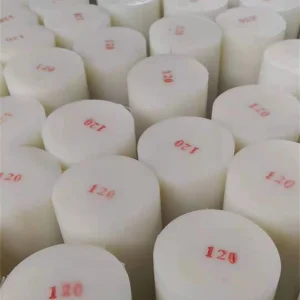
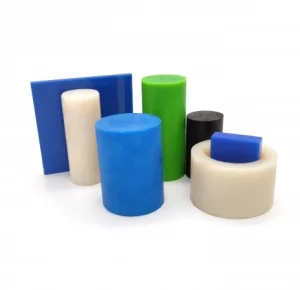
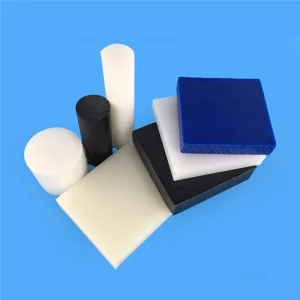
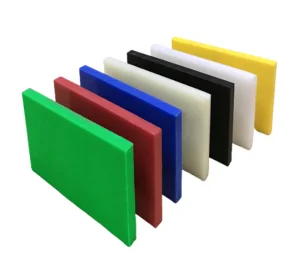
Expanded portfolio covering oil-filled cast polyamides, glass-reinforced variants, virgin sheets, and finished CNC turning components direct from our workshops.
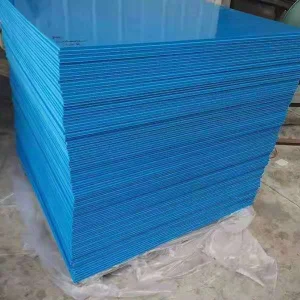
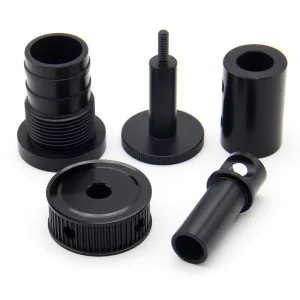

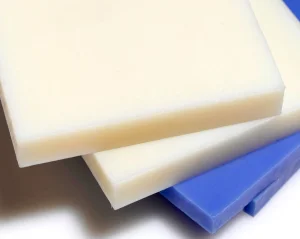
Share your project specifications, target bar diameters, dimensional tolerances, and polymer grades with our engineering desk. We provide comprehensive DFM evaluations, mill test records, and competitive FOB/CIF volume pricing within 12 hours.