
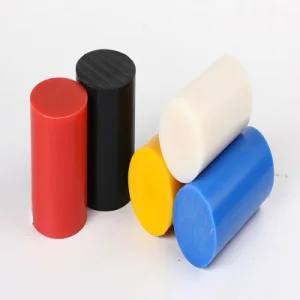
China Cast Nylon Rod Manufacturers, Products
View Product Specs
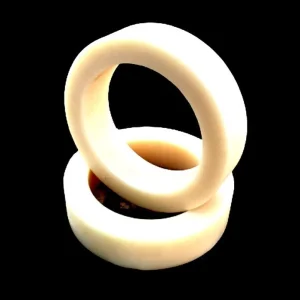
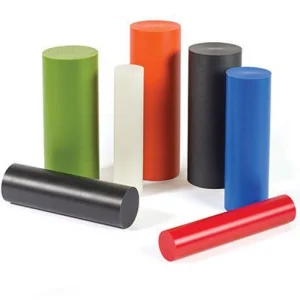
Direct from our manufacturing facility in Xinhe County, Xingtai City: custom continuous cast profiles, wear-resistant rod stock, dense polyethylene sheets, and custom-machined rings.

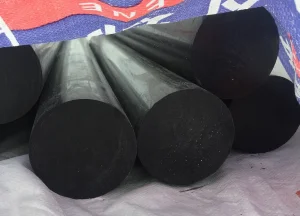
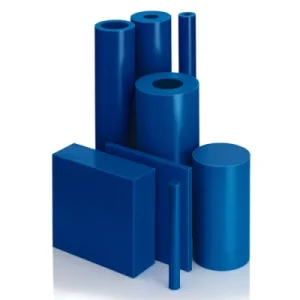
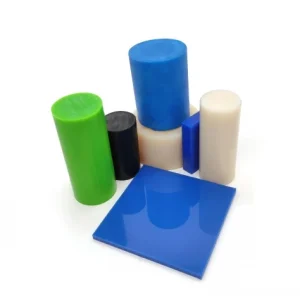
In contemporary materials engineering, the terminology PE Rubber describes a specialized family of elastomeric polymers synthesized from a polyethylene backbone. Most notably represented by Chlorinated Polyethylene (CPE), Chlorosulfonated Polyethylene (CSPE/Hypalon equivalencies), cross-linked PE elastomeric foams, and metallocene-catalyzed ethylene-octene elastomers (POE), these materials represent the structural nexus between high-rigidity polyolefins and high-elasticity thermoset rubbers. At SHUNDA, situated in Henglan Town, Xinhe County, Xingtai City, Hebei Province, our multi-decade manufacturing infrastructure has bridged the technological gap between semi-finished polyolefins (UHMWPE, HDPE) and resilient elastomeric formulations.
Unlike conventional diene-based rubbers such as natural rubber (NR) or styrene-butadiene rubber (SBR), polyethylene-derived rubbers possess a completely saturated aliphatic hydrocarbon chain. The total absence of reactive carbon-carbon double bonds in the polymer backbone endows PE rubber with unprecedented resistance to atmospheric ozone degradation, ultraviolet photo-oxidation, persistent thermal aging up to 150°C, and chemical erosion by harsh polar solvents, industrial mineral oils, and strong acids.
When polyethylene undergoes controlled chlorination in an aqueous suspension or fluid-bed process, chlorine atoms randomly replace hydrogen atoms on the linear PE chain. This selective chemical modification disrupts the dense crystalline lattices characteristic of HDPE, transforming a rigid crystalline thermoplastic into a viscoelastic elastomer. The resulting Chlorinated Polyethylene (CPE 135A, CPE 135B) acts not only as a primary rubber elastomer with exceptional fire retardancy (limiting oxygen index LOI > 30%), but also serves as an impact modifier and polymer alloy compatibilizer across global industrial supply chains.
Coupled with our deep precision engineering plastic capabilities—spanning PA6 Cast Nylon, POM Acetal, virgin and glass-filled PTFE, and Ultra-High Molecular Weight Polyethylene (UHMWPE)—our company delivers holistic industrial component packages. From extruded chemical-resistant elastomeric seals and continuous vulcanized PE-rubber hoses to heavy-duty CNC-milled UHMWPE fender pads and cast nylon sheaves, SHUNDA provides engineering procurement officers with factory-direct consistency and verifiable chemical traceability.
Across harsh commercial sectors worldwide, PE rubber blends and high-modulus polyolefins solve persistent mechanical fatigue, chemical corrosion, and environmental degradation challenges.
Modern ICE powertrains and electric vehicle (EV) thermal management circuits require elastomeric fluid channels capable of withstanding constant exposure to synthetic glycol coolants, transmission lubricants, and ozone under hood temperatures ranging from -40°C to +135°C. CPE-based hydraulic and cooling hoses resist oil swell and hardening far better than chloroprene (CR) or natural rubber. In EV energy storage systems, cross-linked PE elastomer gaskets provide essential IP67 flame-retardant enclosures, preventing water penetration and mitigating thermal runaway risks.
Due to its high dielectric strength, saturated chemical structure, and flame-retarding chlorine atom density, CPE rubber is the global standard for industrial trailing cables, mine-shaft power conductors, offshore wind turbine nacelle wiring, and subsea interconnects. Compounded with eco-friendly mineral fillers and non-lead thermal stabilizers, our PE rubber compounds provide zero surface cracking under mechanical torsion, saltwater exposure, and severe UV solar radiation.
Port installations, bulk cargo terminals, and commercial tugboat bumpers face extreme kinetic shear and continuous saltwater immersion. By combining high-damping elastomeric PE rubber impact layers with ultra-low friction UHMWPE sliding faceplates, our integrated fender assemblies absorb vessel impact energy while eliminating friction burn and hull abrasion. Unlike conventional SBR bumpers that dry-rot in tropical marine climates, our polyethylene-based marine systems maintain structural integrity over 25+ operating years.
In municipal civil works, commercial roof structures, and reservoir construction, flexible CPE sheets serve as premium single-ply elastomeric water barriers. Compared with plasticized PVC, which suffers from plasticizer migration and embrittlement, vulcanized PE rubber maintains tensile flexibility across wide thermal cycles without shrinkage. The material can be thermo-welded with continuous hot-air equipment, providing impervious, root-resistant seals for highway tunnels, landfills, and subterranean metro stations.
Slurry handling pipes, vibrating feeder chutes, and primary aggregate conveyor systems encounter relentless abrasive scouring. By incorporating high-molecular PE rubber elastomers with our UHMWPE liners, we deliver composite chute dampening pads. The elastomeric PE rubber backing layer attenuates falling rock impact energy, while the ultra-slick UHMWPE surface eliminates material sticking, bulk caking, and mechanical equipment wear in gold, coal, copper, and iron processing operations.
Petrochemical refineries and chlor-alkali production facilities face severe challenges when transporting chlorine gas, sulfur dioxide, hydrochloric acid, and caustic soda. Traditional synthetic rubbers swell and degrade rapidly. In contrast, cross-linked PE elastomeric gaskets, combined with our machined PTFE bushings, PA6 cast pipe housings, and fluoropolymer components, ensure total zero-emission sealing integrity across high-corrosion industrial flange joints.
A rigorous engineering benchmark to guide design engineers and procurement teams in choosing between PE rubber, traditional elastomers, and rigid engineering polymers.
| Polymer Classification | Hardness (Shore / Rockwell) | Operating Temp Range | Ozone & UV Aging Resistance | Abrasion & Wear Index | Primary Industrial Strength |
|---|---|---|---|---|---|
| CPE Rubber (Chlorinated PE) | 50A – 90A (Elastomeric) | -40°C to +135°C | Exceptional (Saturated Aliphatic) | High (Superior to NBR) | Outstanding chemical resistance, inherent flame retardancy, weather aging longevity |
| EPDM (Ethylene Propylene) | 40A – 85A (Elastomeric) | -45°C to +130°C | Excellent | Moderate | Hot water, steam, and polar fluid resistance; weak resistance to hydrocarbons and oils |
| NBR (Nitrile Rubber) | 45A – 95A (Elastomeric) | -30°C to +100°C | Poor (Prone to ozone attack) | Moderate to High | Exceptional petroleum fuel and mineral oil resistance; poor weather and outdoor aging |
| UHMWPE (Virgin / Re-processed) | 65D – 68D (Rigid Thermoplastic) | -150°C to +85°C | Very Good (UV Stabilized) | Extraordinary (Lowest wear rate) | Self-lubricating zero-stick coefficient of friction, cryogenic impact strength |
| Cast Nylon (PA6 / MC Nylon) | 115R – 120R (Rigid Structural) | -40°C to +110°C | Good | High Load-Bearing Wear | Exceptional mechanical tensile strength, high modulus, bronze replacement for heavy gears |
| POM Acetal (Polyoxymethylene) | 120R (High Precision Rigid) | -40°C to +105°C | Moderate | Excellent Slip & Creep Resistance | Zero moisture absorption, strict dimensional stability for tight-tolerance CNC parts |
Why Tier-1 international distributors and OEMs partner directly with SHUNDA for mission-critical engineering polymers and custom elastomer extrusions.
Operating within the world-class chemical and plastics corridor of Hebei Province gives us immediate geographic access to pristine ethylene polymer resins, raw chlorine supplies, and advanced silane coupling agents. This localized raw material abundance shields our international clients from global raw material allocation bottlenecks.
Our manufacturing lines feature automated high-shear internal mixers, multi-roll calenders, continuous microwave vulcanization tunnels, and giant-diameter monomer casting (MC) nylon furnaces. Tight computer-controlled process loops maintain uniform molecular chain entanglement and defect-free core density.
Unlike trading intermediaries that rely on third-party machine shops, SHUNDA maintains full in-house CNC turning, multi-axis milling, and custom extrusion die production. We compress standard tooling lead times from 6 weeks down to 7–10 days, allowing international customers to iterate and validate functional prototypes rapidly.
Our factory in Xinhe County enjoys direct, high-speed freight corridor access to Tianjin Port (Xingang), the premier shipping gateway of Northern China. Fully automated export container staging, custom ISPM-15 heat-treated crating, and direct customs EDI booking guarantee smooth sea-freight departures and streamlined ocean transit.
Every industrial order follows strict, auditable testing protocols, ensuring that delivered semi-finished shapes and finished parts conform exactly to engineering drawings.
Careful verification of virgin polymer resin grade, chlorine content, plasticizer level, and antioxidant package against application specs.
Continuous twin-screw compounding or controlled monomer polymerization casting, ensuring uniform cross-linking kinetics and zero internal porosity.
Critical post-curing and oven-annealing cycles eliminate residual molecular stress, preventing warping or dimensional drift during post-machining.
High-speed milling, turning, routing, and water-jet profiling on multi-axis CNC machines to achieve tolerances up to ±0.02 mm.
Coordinate Measuring Machine (CMM) dimensional verification, surface finish validation, protective wrapping, and export-grade palletized crate crating.
As global industries demand tighter emission controls, electrification support, and circular polymer sourcing, SHUNDA invests continuously in next-generation material science.
By introducing single-site metallocene catalysts into ethylene polymerization, we precisely control the narrow distribution of 1-octene co-monomer branches. This yields ultra-elastic polyolefin rubbers with higher elasticity, superior clarity, low Mooney viscosity, and outstanding room-temperature impact toughness down to -55°C for aerospace and cryogenic applications.
Anticipating evolving European RoHS and REACH environmental mandates, our R&D laboratories have engineered halogen-free elastomeric polyolefin compounds utilizing synergistic nano-magnesium hydroxide (Mg(OH)2) and expandable graphite. These blends deliver UL94 V-0 flame rating with zero toxic halogen gas evolution in mass transit rail systems.
We are broadening our continuous dynamic vulcanization infrastructure to crosslink elastomeric phases directly within a rigid polypropylene (PP) or polyethylene (PE) matrix. The resulting fully vulcanized TPVs eliminate post-vulcanization times, providing 100% recyclability, lower part densities, and reduced carbon footprints for sustainability-driven automotive OEMs.
Navigating the global procurement landscape requires not only premium mechanical properties, but absolute compliance with regional chemical and environmental regulations.
In the United States and Canada, heavy machinery, agricultural equipment, and municipal infrastructure require elastomers certified under ASTM D2000 material classification specifications. Our CPE rubber compounds are engineered to meet strict oil swell (IRM 903), tensile retention, and low-temperature brittleness (ASTM D2137) ratings, backed by full Mill Test Reports (MTRs) and Certificate of Analysis (CoA) documentation.
Selling into the EU requires rigorous adherence to EU Regulation (EC) No 1907/2006 (REACH) and Directive 2011/65/EU (RoHS 3). Every shipment manufactured by SHUNDA is free from Substances of Very High Concern (SVHCs), polycyclic aromatic hydrocarbons (PAHs), heavy metal stabilizers, and restricted phthalate plasticizers, certified via independent SGS / TÜV laboratory testing.
In Australia, Southeast Asia, and the Gulf Cooperation Council (GCC) countries, intense ambient UV radiation and extreme heat demand superior oxidation resistance. Our specialized high-temperature CPE formulations and UHMWPE bulk handling components operate reliably in arid desert energy projects, ocean ports, and remote iron-ore terminals without premature sun-rot or cracking.
Detailed technical and commercial answers directly from our senior polymer production and export engineering teams.
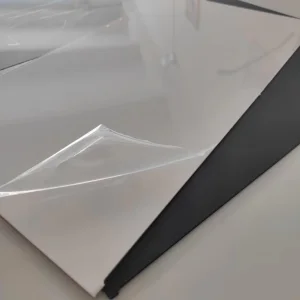
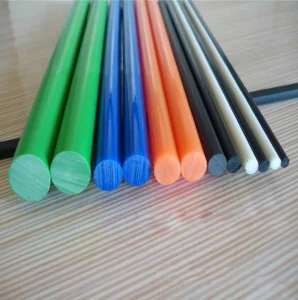
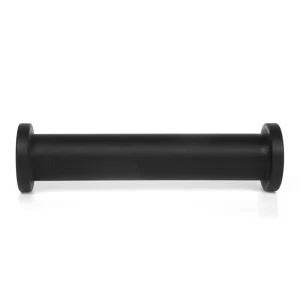
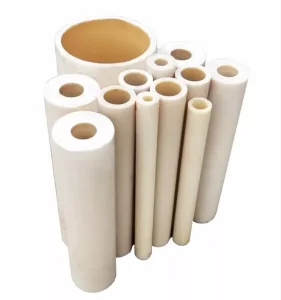
Explore our extended catalog of structural plastic boards, custom color compounds, precision-honed tubes, and chemical containment solutions manufactured to your exact dimensional tolerances.
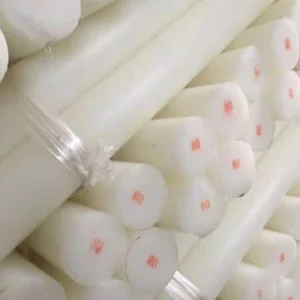
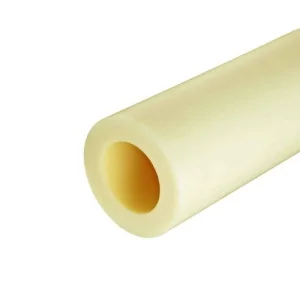
Connect directly with SHUNDA's polymer application engineers. Whether you need high-volume CPE rubber extrusions, customized UHMWPE bulk wear liners, or precision CNC-turned MC Nylon and POM components, our Hebei manufacturing facility delivers unyielding quality with rapid quotation cycles.