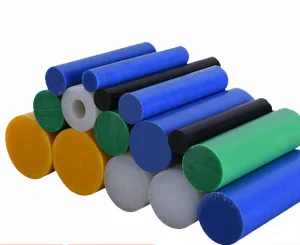
Industrial Grade Stock Forms & Engineering Semi-Finished Shapes
Direct factory production of calibrated sheets, wear plates, and precision rods customized to client-specified molecular weights and dimensional tolerances.
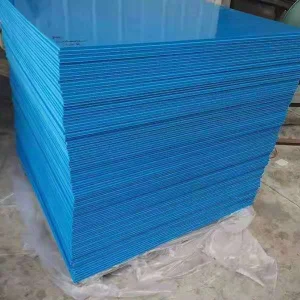
China Blue MC Nylon Sheet Manufacturers, Companies
View Specifications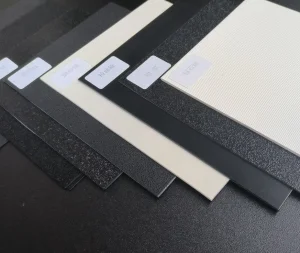
OEM China Engineering Plastic Smooth Texture ABS Plastic Sheet Factory
View Specifications
Wholesale Plastic Board PA6/PA66 Durable Nylon Rods Factory Exporter
View Specifications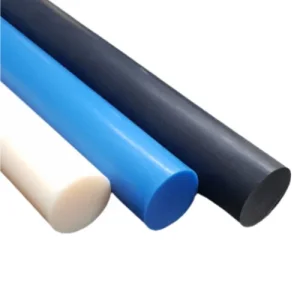
China Polyamide PA6 PA66 Nylon PP POM UHMWPE Rod & Bar Manufacturer
View Specifications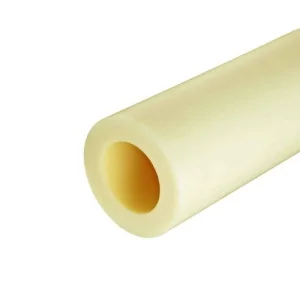
High-Quality Nylon Rod, Nylon Tube, PP Tube, ABS Tube Factory
View Specifications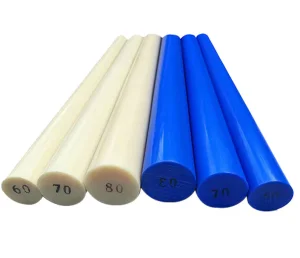
Cheap China MC Blue Cast Nylon Rod Plastic Round Bar Factory
View Specifications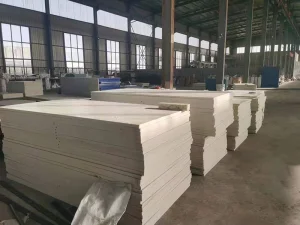
OEM Engineering Plastic PA6 PA66 HDPE ABS Sheet Factory Exporter
View Specifications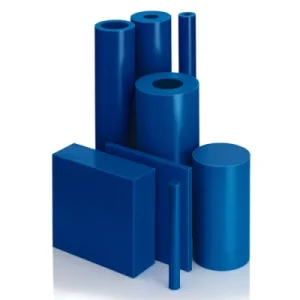
UHMWPE Heavy Duty Jacking Pads Crane Foot Stabilizer Pad Manufacturer
View SpecificationsExtruded PA6 Board vs. Monomer Cast (MC) Nylon: Engineering Trade-offs
Optimizing component lifecycle requires strict alignment between polymer molecular structure, manufacturing methodology, and real-world mechanical loads.
| Evaluation Parameter | Extruded PA6 Board (E-Polyamide) | Monomer Cast PA6 (MC Nylon) | Engineering Value & Strategic Fit |
|---|---|---|---|
| Crystallinity Degree | Medium (approx. 35% - 40%) | High (approx. 45% - 50%) | MC Nylon demonstrates enhanced surface hardness, higher modulus, and lower creep under sustained load. |
| Tensile Strength (Yield) | 75 - 85 MPa | 85 - 95 MPa | Extruded grades provide superior impact absorption, whereas cast nylon resists compressive deformation. |
| Internal Stress Profile | Requires extended post-extrusion annealing | Naturally lower stress due to atmospheric casting | MC plates exhibit zero internal bow or warp when machined into asymmetric structural gears and sliders. |
| Dimensional Availability | Thickness 1mm to 100mm; restricted widths | Thickness up to 250mm; formats up to 2000x1000mm | Cast lines allow massive single-billet crane sheaves, thick wear liners, and continuous guide plates. |
| Moisture Absorption (Sat.) | 8.0% - 9.0% (water equilibrium at 23°C) | 6.0% - 7.0% | Requires careful allowance during CNC turning/milling when intended for aqueous submerged operations. |
Navigating International OEM Sourcing Criteria for Semi-Finished Polymers
Industrial supply managers require suppliers who provide rigorous defect-prevention protocols alongside competitive economies of scale.
Void-Free Polymer Integrity
Porosity, vacuum bubbles, and micro-cracking inside thick nylon boards lead to catastrophic breakdown during CNC high-speed milling. Our factory implements automated ultrasonic ultrasonic non-destructive testing (NDT) across every stock plate exceeding 30mm thickness to ensure 100% density consistency.
Total Thickness Flatness Control
Uncalibrated raw boards cost machine shops dozens of processing hours in preliminary surface squaring. SHUNDA boards run through dual-sided calibration planing units, maintaining planar thickness tolerances within ±0.2mm, eliminating vibration issues on industrial suction vacuum beds.
Batch-to-Batch Color Stability
Natural, ivory white, oil-filled green, and molybdenum disulphide (MoS2) black nylon stocks often suffer visible visual disparities across production runs. We employ automated masterbatch dosing systems to secure chromatic fidelity across multinational distributor catalog lines.
Where Mission-Critical PA6 Board Machined Parts Deliver Measurable ROI
Replacing bronze, aluminum, and cast-iron assemblies with self-lubricating, weight-reducing polyamides across demanding operations.
Heavy Lifting & Cranes
Wire rope sheaves, boom extension wear blocks, and outrigger support pads fabricated from cast MC nylon prolong metallic cable lifespan by dampening harmonic vibrations and absorbing surface friction without lubrication.
Conveyor Systems & Bottling
Zero contamination and smooth motion: PA6 low-friction wear tracks, star wheels, and chain guides absorb impact shocks while meeting food handling line requirements with low operational acoustics.
Marine & Port Infrastructure
Subsea rollers, dock fender wear facings, and ship rudder bearings benefit from oil-impregnated polyamide boards, maintaining low friction even when subjected to continuous saltwater exposure.
Railway & Mining Assemblies
High abrasive forces in hopper bins, excavator arm spacers, and bogie wear liners demand the mechanical elasticity of PA66 and MC sheets, offering service lives far exceeding conventional metal liners.
Factory Verification, Testing Protocols & Regulatory Conformance
Bridging Chinese manufacturing capacity with rigorous Western testing frameworks (ASTM / DIN / ISO) to safeguard international purchasing confidence.
Material Traceability (EN 10204 3.1)
Every dispatch lot of PA6 board is serialized alongside physical batch documentation indicating raw resin provenance, melt flow indexing (MFI), and Izod impact resistance data verified by on-site spectrophotometers.
RoHS & REACH Compliance
SHUNDA polyamides are free of banned phthalates, heavy metals, halogenated flame retardants, and SVHCs. Our products meet European chemical safety mandates under EU 1907/2006 guidelines.
Zero-Damage Export Packaging
Thick semi-finished sheets are strapped with reinforced PET bands, edge-protected, vacuum-filmed to stabilize ambient moisture, and secured onto IPPC-fumigated solid wood pallets capable of withstanding rough ocean transit.
Technological Roadmap: The Evolution of Advanced Polyamide Matrix Materials
How our research and development programs address extreme mechanical environments, weight reduction, and circular manufacturing economics.
Nanoclay & Glass-Filled PA6
By blending 30% chemically coupled micro-glass fibers, our next-gen PA6 boards raise heat deflection temperatures (HDT) up to 195°C, offering alternative options for metal parts under high automotive under-hood thermal loads.
Solid Lubricant Internally Dispersed
Infusing liquid solid paraffin, PTFE dispersion, and micronized MoS2 within the caprolactam monomer melt to achieve maintenance-free dry run capabilities with sliding coefficients below 0.15.
Chemically Recycled Monomer Stock
Implementing pure caprolactam depolymerization systems that reconstitute industrial post-machining polyamide offcuts back into virgin-grade boards without losing mechanical tensile properties.
RFID Integrated Semi-Finished Blanks
Embedding high-frequency miniature RFID microchips directly inside cast nylon billet edges to enable automated machining spindle verification, real-time material traceability, and preventative wear notifications.
Frequently Asked Questions (FAQ) for Engineering & Sourcing Teams
Answers to common inquiries regarding material behavior, stress relieving, machining tolerances, and export logistics.
How does water absorption impact the precision machining tolerances of PA6 Boards?
What heating cycles are implemented to anneal and relieve internal stress in thick sheets?
What are the recommended tooling parameters for CNC milling and turning pure PA6?
Can you provide custom cut-to-size service or deliver finished parts from drawing packages?
What minimum order quantities (MOQ) and lead times apply for custom modified colors?
Comprehensive Engineering Polymers, Profiles & Precision Components
From single prototypes to full container dispatches, review our full line of industrial polymers and machined components.
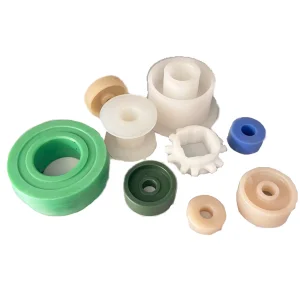
Custom CNC Machined Components PEEK/PTFE/Delrin/Nylon/POM Wheel Pulley
View Specifications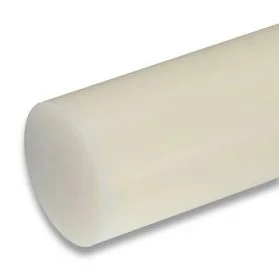
OEM Polyamide Natural MC Cast Nylon PA6 Rod Round Bar Manufacturer
View Specifications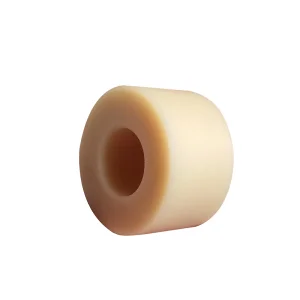
High Hardness Plastic POM/Delrin & Nylon Rods 10mmx1000mm Supplier
View Specifications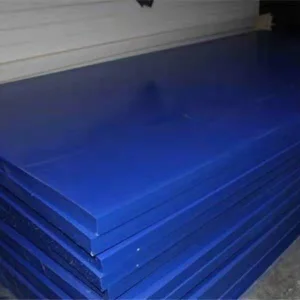
MC Casting Nylon PA6 HDPE UHMWPE Plastic Hard Board Sheet Supplier
View Specifications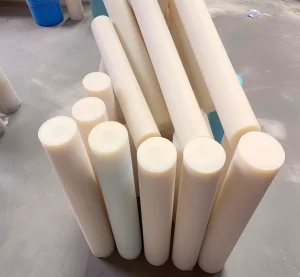
Wholesale Natural MC Nylon Cast Rod & Solid Round Bar Factory
View Specifications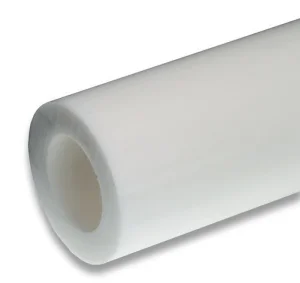
POM Tube White & Black POM Acetal Plastic Tube Pipe Factory Exporter
View Specifications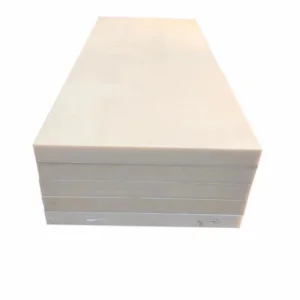
Nylon PA6 HDPE UHMWPE ABS PP Large Format Moulded Plastic Sheet
View Specifications