Featured Engineering Polymers & Cast MC Bars
Direct factory configurations of solid rods, hollow bars, wear slabs, and precision-compounded thermoplastics engineered to ASTM, DIN, and ISO manufacturing benchmarks.
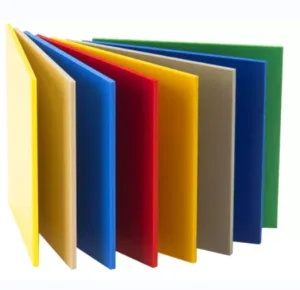
OEM China Engineering Plastic Polyamide PA6 PA66 Nylon PP UHMWPE PTFE HDPE ABS Plastic Sheet Rod And Bar Customized Color Manufacturer, Suppliers
Inspect Specifications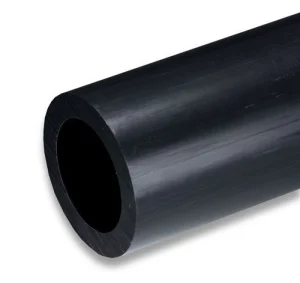
Discount POM Tube Black POM Tube, White POM Tube, POM Pipe, POM Plastic Tube Pipe Exporters, Product
Inspect Specifications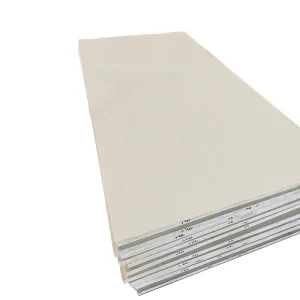
China China Engineering Plastic Casting Polyamide Nylon ABS PTFE HDPE UHMWPE Plastic Sheet Tube Rod And bar Customized Color With Size Suppliers, Companies
Inspect Specifications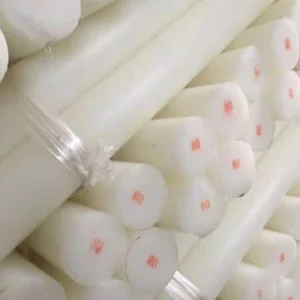
OEM ODM OEM Engineering Plastic Cast PA6 Polyamide Nylon POM ABS PP PTFE Plastic Rod And Bar Manufacturers, Suppliers
Inspect Specifications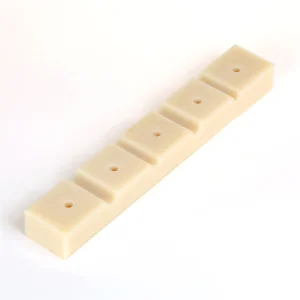
Wholesale Nylon Chain,Plastic Chain, Plastic Pad,Nylon Pad Manufacturer, Products
Inspect Specifications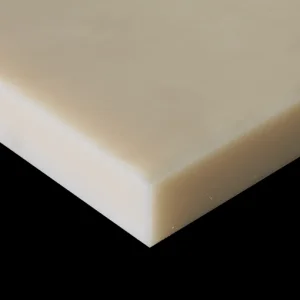
Cheap Natural MC Nylon Sheet Factories, Exporters
Inspect Specifications
China White POM Rod, Black POM Rod, POM Bar, POM Plastic Rod Suppliers, Exporter
Inspect Specifications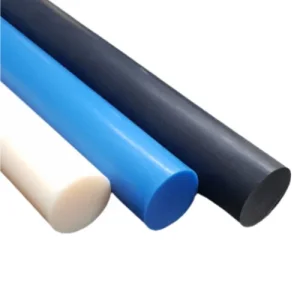
Cheap TEFLON Rod Manufacturers, Exporter
Inspect SpecificationsMonomer Casting MC Bar Engineering & Structural Superiority
Understanding why anionic ring-opening polymerization outclasses traditional extruded PA6/PA66 bars across heavy industrial friction, structural load, and dynamic stress situations.
Anionic Caprolactam Polymerization
Unlike extruded nylon produced under screw shear stress, SHUNDA MC Bar stock is synthesized directly via activated anionic polymerization inside precision vertical molds. This yields substantially higher molecular weights (up to 300,000 g/mol) and crystallinity indices exceeding 50%, translating directly into elevated compressive yield strengths and zero void formation.
Elimination of Internal Core Residual Stress
Extruded solid rods larger than 60mm diameter suffer severe risk of center-line porosity and high internal stress that warps workpieces during deep turning. Our proprietary computer-controlled thermal annealing cycles relieve crystalline stresses throughout thick cross-sections, allowing aggressive CNC milling and boring without axial deformation.
Weight-Optimized Bronze & Steel Substitution
Operating with a specific gravity of roughly 1.15 to 1.16 g/cm³, MC Nylon bars provide a massive 85% mass reduction relative to bronze and ductile iron alloys. This radically drops rotational inertia, decreases drive energy, completely eliminates mating shaft galling, and dampens audible operating vibrations by over 12 dB.
Global Industry Applications & Localization
Cross-sector engineering deployments of cast MC bars manufactured in China, optimized for severe duty cycles across premier mining, port logistical, agricultural, and energy infrastructures.
Heavy Lifting, Wire Rope Sheaves & Pulleys
Extensively chosen by harbor crane and mobile crane OEMs across North America and Europe. Precision turned MC Blue and Cast PA6 sheaves dramatically extend high-tensile steel wire rope operating life by buffering friction contact, cushioning surge shock loads, and shedding dynamic operational mass on boom tips.
Subsurface Mining, Bulk Slurry Conveyance
In Chilean copper mines and Western Australian iron ore transfer belts, custom MC bars compounded with molybdenum disulfide (MoS₂) and liquid oil additives function reliably as maintenance-free support rollers, guide shoes, and high-impact wear blocks immune to fine grit embedding and severe acid-mine wash.
Hydraulic Telescopic Pads & Piling Blocks
High-yield compression strength enables SHUNDA MC bar derivatives to endure crushing dynamic pounding in hydraulic impact cushions for piling rigs and boom slide tracks. The intrinsic elastomeric recovery prevents split failure under unyielding transverse shear spikes.
Physical & Tribological Specification Benchmark
Rigorous baseline performance indicators calculated via calibrated test procedures to ensure full engineering interchangeability with premium global casting standards.
| Property Metric | Test Norm | Standard MC Cast PA6 Bar | Oil-Filled / MoS₂ Lubricated MC Bar | Extruded PA66 Benchmark |
|---|---|---|---|---|
| Density (g/cm³) | ISO 1183 | 1.15 - 1.16 | 1.14 - 1.15 | 1.14 - 1.15 |
| Tensile Strength at Yield (MPa) | ISO 527 | 80 - 88 | 70 - 78 | 75 - 82 |
| Modulus of Elasticity (GPa) | ISO 527 | 3.4 - 3.6 | 2.9 - 3.2 | 3.0 - 3.2 |
| Compressive Stress at 2% Strain (MPa) | ISO 604 | 32 - 35 | 28 - 31 | 28 - 30 |
| Dynamic Friction Coefficient (μ) | Dry on Steel | 0.30 - 0.38 | 0.12 - 0.18 | 0.35 - 0.42 |
| Heat Deflection Temp (0.45 MPa, °C) | ISO 75 | 170 - 180 | 160 - 170 | 165 - 175 |
| Rockwell Hardness | ISO 2039-2 | M85 - M90 | M80 - M84 | M82 - M86 |
Cross-Border Traceability & Regulatory Conformance
Fulfilling comprehensive technical documentation standards required by leading multinational OEMs, tier-one mechanical sub-contractors, and worldwide import regulations.
EN 10204 3.1 Certified Material Verification
Every batch of exported MC Bar stock is shipped with exhaustive test certificates encompassing spectrometer verification, monomer catalytic purity reports, melt index tracking, and mechanical batch tests to ensure total traceability back to virgin raw material silos.
Global RoHS & REACH SVHC Strict Compliance
Formulated to conform with European Union Directive 2011/65/EU (RoHS) and the latest candidate list of substances of very high concern (SVHC) under REACH regulations. Our raw cast polymers and custom pigments are completely non-toxic, lead-free, and heavy-metal stabilized.
Export Packaging & Dimensional Preservation
MC bars and sheets are hydro-stabilized and hermetically wrapped in multi-ply anti-moisture barrier wraps before being crated in IPPC ISPM-15 heat-treated fumigation-free wooden cases, preventing bar warping and ambient humidity absorption across cross-ocean transit routes.
Technological Innovations & Next-Gen Formulations
Propelling monomer casting polyamide past conventional thermal and conductive barriers through nano-structured additions and eco-conscious circular manufacturing cycles.
Graphene & Carbon-Nanotube Dissipative Bars
Addressing volatile underground coal mining conveyors and delicate automated cleanrooms, SHUNDA's advanced compounding integrates functionalized carbon nanostructures to realize stable surface resistivity (10^6 - 10^9 Ω/sq) without compromising structural tensile modulus or wear longevity.
High-Temperature Heat-Stabilized Formulations
Formulated with organic anti-oxidant complexes to elevate continuous working thresholds up to 135°C (peak intermittent exposure to 180°C). This bridges the thermal engineering gap between standard cast nylon and cost-prohibitive specialty polymers like PEEK and Torlon.
Near-Net Shape Centrifugal Casting Systems
Pioneering centrifugal vertical hollow-casting tooling that casts thick-walled pipes and cylindrical MC bars with optimal micro-crystalline orientation. This cuts customer core boring waste by up to 55% and saves valuable spindle machining hours.
Engineering Plastic Procurement & Machining Q&A
Expert technical responses to critical questions encountered by manufacturing engineers, tooling designers, and global procurement managers.
What is the fundamental difference between extruded nylon (PA66) and cast MC nylon (PA6)?
Extruded nylon is shaped using pressure screws from pre-polymerized pellets, yielding higher moisture absorption, lower molecular mass, and restrictive diameter caps (typically under 150mm). Monomer Cast MC Nylon undergoes direct anionic polymerization in atmospheric molds, producing a continuous crystal structure, higher molecular mass, vastly superior creep resistance, and unlimited dimensional scope (up to 1200mm+ bars).
How do you compensate for moisture expansion when machining precision MC Nylon components?
MC PA6 typically absorbs between 1.5% to 2.5% atmospheric humidity in regular ambient exposure, reaching roughly 6% to 7% at absolute wet saturation. For precision bearing bores and running fits, design tolerances should incorporate a 0.2% to 0.3% dimensional allowance, or specify lubricated oil-filled MC grades whose hydrophobic mineral matrix cuts water uptake by over 40%.
What lathe tool angles and speeds are recommended for turning cast MC bars?
Employ razor-sharp high-speed steel (HSS) or polished micrograin carbide cutters. Utilize positive rake angles (rake: 15° to 25°, relief: 10° to 15°). Maintain moderate cutting speeds (250 - 450 m/min) paired with relatively high feed rates (0.25 - 0.50 mm/rev) to actively remove heat within continuous ribbons, avoiding tool rubbing and localized thermal softening.
Can cast MC bars be compounded with bespoke tribological lubricants and flame retardants?
Yes. In addition to pure natural (ivory) and blue base MC nylon, our facility compounds cast bars with Molybdenum Disulfide (MoS₂) for ultraviolet resistance and higher surface hardness, micro-dispersed synthetic lubrication oils for run-in dry gear trains, carbon fibers for stiffness, and UL94-V0 non-halogenated retardants for public rail transit compliance.
Secondary Semi-Finished Product Assortment
Expanding industrial capabilities beyond MC Bars: explore factory-direct precision-machined assemblies, heavy-duty dampening cushions, and customized engineering polymers.
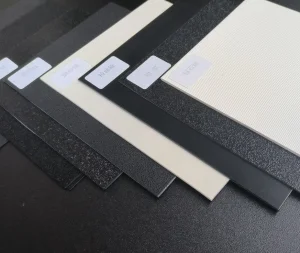
OEM China Engineering Plastic OEM Smooth Texture ABS Plastic Sheet Factory Customized Color With Size For Refrigerator Door Exporter, Products
Inspect Specifications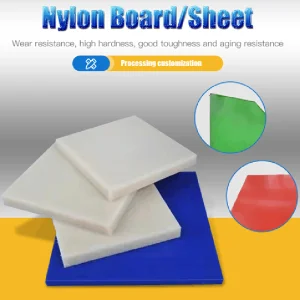
Famous Online Exporter China SBR Nitrile Insertion Cloth Nylon Rubber Mat Flooring Sheet Suppliers, Exporter
Inspect Specifications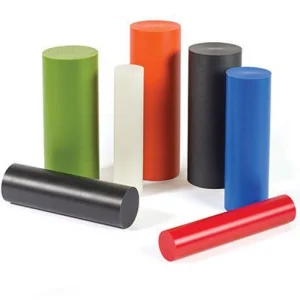
Buy Engineering Plastic Cast Board PA6 Polyamide Nylon ABS PP PTFE Plastic Rod And Bar Tube Customized Color With Size Factory, Companies
Inspect Specifications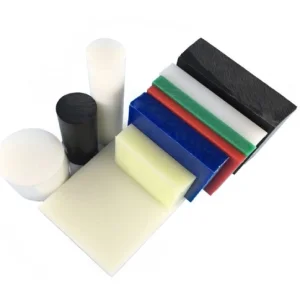
High-Quality Engineering Plastic Polyamide PA66 Nylon PP UHMWPE PTFE HDPE ABS Plastic Sheet Rod And Bar Customized Color With Size Manufacturers, Suppliers
Inspect Specifications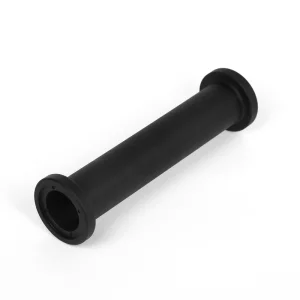
China Nylon Roller Manufacturers, Company
Inspect Specifications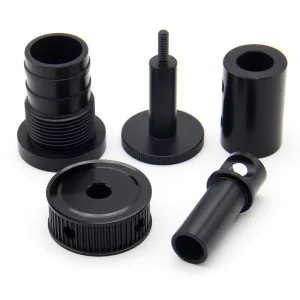
Discount Custom CNC Machining Components Peek ABS/PTFE/Derlin/Plastic/Nylon POM CNC Turning Machining Parts Factories, Companies
Inspect Specifications
Buy PP Rod ,ABS Rod,Nylon Rod Bar, PTFE Rod,Plastic Rod, All Kinds Of Plastic Products Factories, Exporter
Inspect Specifications