
Primary Stock Shapes & Engineering Products
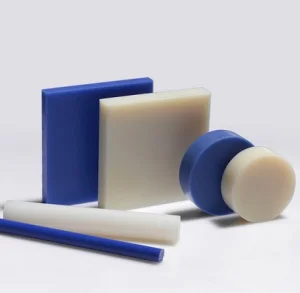
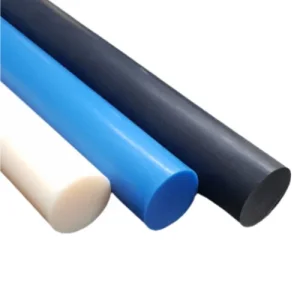
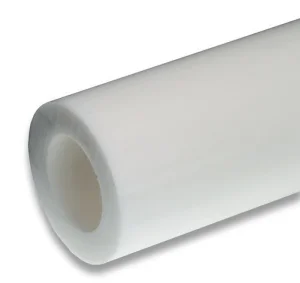
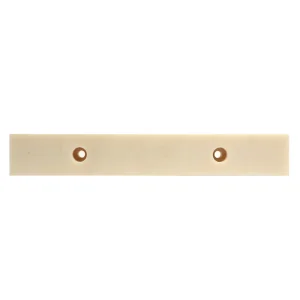
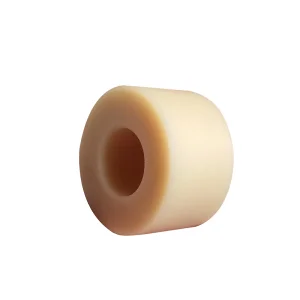
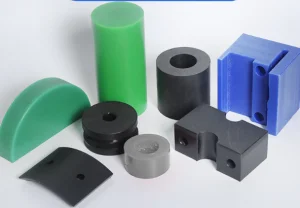
Comprehensive portfolio of mill-shape semi-finished plastics and custom components directly shipped from our ISO-compliant manufacturing center in Hebei, China.

Technical Whitepaper: Engineering HDPE Sheet Solutions in Global Industry
A deep-dive technical blueprint exploring molecular structures, procurement challenges, tribological behaviors, and macro-industrial supply chains from China's leading polymer processing base.
Polymer Morphology & Resins
High-Density Polyethylene (HDPE) represents a high crystallinity thermoplastic characterized by straight polymer chains with minimal branching. By selectively processing PE300, PE500, and ultra-dense PE1000/UHMWPE base resins, SHUNDA eliminates internal porosity, optimizes tensile yield above 25 MPa, and delivers exceptional flexural modulus tailored to load-bearing liner and tank designs.
Thermal & Stress Stabilization
Thermal memory and internal frozen stresses are notorious causes of warping in machining thin or thick gauge sheets. Our Hebei facility integrates prolonged multi-stage in-line annealing and low-shear single/twin screw extrusion cooling profiles. This scientific relief process prevents dimensional distortion when customers perform aggressive CNC waterjet, milling, and routing operations.
Extreme Corrosion Resistance
HDPE exhibits an chemically inert polyolefin backbone impervious to harsh inorganic acids, caustic alkalis, brine, alcohols, and deionized water. Unlike cast iron, carbon steels, or unplasticized PVC, our custom HDPE sheets completely bypass electrolytic rust, environmental stress corrosion cracking (ESCC), and biological biofilm accumulation in subterranean or marine installations.
Global Enterprise Procurement Demands & Market Dynamics
Analyzing key structural factors driving international sourcing directors to partner with premier Chinese HDPE sheet producers.
Total Cost Optimization (TCO)
Global procurement teams in North America, the EU, and Southeast Asia face spiraling supply-chain inflation. Sourcing semi-finished stock directly from China reduces raw material expenditures by 25% to 40% while preserving strict mechanical tolerances, providing superior margins for OEM distributors and end-users.
High Gauge Dimensional Control
Whether sourcing ultra-thin 1mm protective skins or massive 150mm thick solid slabs, international projects demand thickness uniformities within ±0.15mm. Our digital gauge monitoring systems prevent gauge variation, delivering seamless CNC routing and edge planar consistency across high-volume production orders.
Material Traceability & Testing
Tier-1 industrial buyers require rigorous verification protocols. Every production batch is backed by comprehensive Mill Test Reports (MTR), melt flow index (MFI) analysis, density tracking, and standard compliance with ASTM D4976, ISO 1183, and DIN EN ISO 178 testing frameworks.
Turnkey OEM Consolidation
Rather than managing split vendors for semi-finished extrusion and secondary CNC machining, enterprises consolidate procurement with SHUNDA. From master plates to custom beveling, drilling, and CNC precision milling, single-source manufacturing drastically accelerates time-to-market.
Macro Industrial Solutions Across Key Sectors
Engineered polymers deployed in heavy-duty commercial infrastructure, marine defense, aggregate bulk material transfer, and hygienic manufacturing systems.
Bulk Material Handling & Mining
Hopper hang-ups, ratholing, and bridging result in substantial operational downtime. Fabricated HDPE and UHMWPE wear plates act as ultra-slick, low-friction drop chute liners, bunker linings, and railcar dump surfaces. Their superior impact dampening withstands continuous abrasion from granite, coal, iron ore, and abrasive slimes.
Marine, Port & Offshore Engineering
Continuous saltwater immersion corrodes standard alloys and degrades timber structures. High-density polyethylene sheets and composite fender face pads resist seawater hydrolysis, marine borers, and heavy UV exposure. Installed on harbor quay walls and floating pontoons, they absorb kinetic berthing impacts without fracturing.
Food Processing & Cold Storage
Certified food-grade HDPE sheets (FDA compliant) offer an odorless, non-toxic, and non-porous substrate for commercial meat cutting surfaces, sorting conveyors, and cleanroom partitions. They endure intensive daily enzymatic washdowns, high-pressure steam sanitation, and sub-zero blast freezer conditions down to -50°C without embrittlement.
Chemical Storage & Electroplating
Fabricators utilize our premium extruded HDPE and PP plates to build customized scrubbing towers, pickling vats, and secondary containment sumps. Outstanding hot-gas extrusion welding compatibility guarantees hermetic joints resistant to fuming sulfuric acid, hydrochloric solutions, and aggressive alkaline degreasers.
Heavy Construction & Mobile Equipment
Heavy hydraulic cranes, boom trucks, and aerial access work platforms rely on CNC-machined HDPE outrigger crane pads. Delivering superior compressive strength with exceptional memory, these pads spread multi-ton surface loads across unstable ground to prevent catastrophic vehicle tipping while being 1/7th the weight of steel.
Semiconductor & Cleanroom Fluidics
Demanding electronics packaging and pure water handling require low extractable polymers. SHUNDA virgin HDPE sheets provide an ultra-clean, halogen-free, and non-leaching plastic substrate suitable for modular cleanroom wall linings, wastewater treatment pans, and precision-routed wet bench chemical apparatus.
Engineering Polymer Performance Benchmarking
Comparative technical data matrix to assist mechanical engineers, mold designers, and buyers in selecting the optimal engineering polymer.
| Polymer Type | Density (g/cm³) | Tensile Strength (MPa) | Continuous Temp. Range | Key Strengths & Tribology | Primary Industrial Use-Cases |
|---|---|---|---|---|---|
| HDPE (PE300/500) Polyethylene |
0.94 - 0.96 | 23 - 32 | -50°C to +80°C | Zero water pickup, excellent weldability, superior acid/alkali resistance | Chemical tanks, food cutting boards, marine fenders, drainage liners |
| UHMWPE (PE1000) Ultra-High Mol. |
0.93 - 0.94 | 20 - 28 | -150°C to +85°C | Industry-leading abrasion resistance, lowest friction coefficient, extreme impact strength | Chute wear plates, conveyor guides, marine fender face pads, chain guides |
| PA6 / MC Cast Nylon Polyamide |
1.14 - 1.16 | 70 - 85 | -40°C to +105°C | Extremely high mechanical load-bearing, self-lubricating, vibration damping | Heavy crane sheaves, pulleys, industrial gears, bushings, sliding pads |
| POM (Acetal / Delrin) Polyacetal |
1.41 - 1.43 | 65 - 72 | -40°C to +100°C | Superior dimensional stability, tight tolerance retention, low moisture pickup | High-precision gears, valve components, fuel system parts, instrumentation |
| Polypropylene (PP) Polyolefin |
0.91 - 0.92 | 30 - 38 | 0°C to +100°C | High thermal resistance in hot acid/alkali baths, lightweight, rigid | Electroplating equipment, ventilation ducts, chemical storage vessels |
| PTFE (Teflon) Fluoropolymer |
2.15 - 2.20 | 20 - 35 | -200°C to +260°C | Universal chemical inertness, highest thermal limits, lowest friction coefficient | Corrosive fluid seals, semiconductor gaskets, electrical high-voltage insulators |
Technical Roadmap: The Next Generation of High-Density Polymers
How SHUNDA's polymer research & extrusion innovations align with carbon reduction, advanced nanocomposites, and automated smart fabrication.
Conductive & Anti-Static Formulations
For high-risk environments such as underground coal mining chutes, dust extraction channels, and explosive powder handling, electrostatic discharge (ESD) presents catastrophic ignition risks. Our technical roadmap incorporates carbon black and nanotube masterbatch additions, bringing surface resistivity down to the conductive range (10³ to 10⁶ Ω/sq) without sacrificing impact toughness.
Triple-Extrusion Dual-Color Coextrusion
In modern industrial safety, visual wear indicators and UV-stable exterior capping are vital. Our expanded extrusion lines support coextrusion (e.g., UV-resistant brightly colored caps with high-density cores). This breakthrough empowers operators in open-cast quarries and playground facilities to visually inspect wear progress before structural failure occurs.
Sustainable Post-Industrial Circularity
Aligned with global carbon emission targets and ESG standards, SHUNDA provides closed-loop material recycling options. By carefully collecting and re-granulating single-stream factory edge trimmings, we deliver certified PIR (Post-Industrial Recycled) eco-grade HDPE sheets, reducing cradle-to-gate carbon footprints by up to 48%.
Global Compliance, Quality Control & Export Logistics
Full regulatory confidence and flawless ocean freight delivery designed specifically for multinational distributors and tier-1 contractors.
International Regulatory Conformance
Our polymers undergo strict periodic compliance audits. All virgin natural HDPE grades conform to FDA 21 CFR 177.1520 regulations for food contact, EU 10/2011 chemical safety guidelines, and RoHS/REACH environmental mandates, eliminating import rejection hazards at customs ports worldwide.
Heavy-Duty Seaworthy Packaging
Long-distance maritime logistics demand heavy packaging precautions. We protect every pallet using fumigated wooden pallets, heavy-gauge poly-stretch wrap, edge corner guards, and rigid strapping. Full moisture barrier interlayers safeguard polished surfaces against condensation, salt fog, and transshipment damage.
Rapid 12-Hour Engineering Support
Cross-border time zone differences should never impede your supply schedule. SHUNDA operates a dedicated bilingual technical sales department. Engineering reviews for technical drawings (AutoCAD, DWG, DXF, STP, STEP, PDF) and commercial quotes are provided back to overseas clients within 12 hours.
Procurement & Technical FAQ (Frequently Asked Questions)
In-depth responses curated by our chief polymer engineer to address questions encountered during quotation and engineering evaluations.
What is the practical mechanical difference between HDPE and UHMWPE sheet?
While both are polyethylene polymers, standard HDPE typically has a molecular weight between 300,000 and 500,000 g/mol, making it rigid, highly weldable, and readily thermoformed. UHMWPE exhibits a molecular weight exceeding 3 to 9 million g/mol; it cannot be injection molded or extruded normally and must be compression molded. UHMWPE delivers vastly superior sliding abrasion resistance and unnotched impact strength, whereas HDPE provides superior weldability and lower raw material unit cost.
Can your HDPE sheet be accurately welded and thermoformed?
Yes. HDPE is one of the easiest engineering plastics to join via hot gas extrusion welding, butt fusion, or ultrasonic welding. Because of its semicrystalline nature, thermoforming requires vacuum-assisted heating with accurate temperature controls between 150°C and 180°C. SHUNDA supplies matching HDPE welding rods with consistent MFI values to guarantee 100% homogenous weld strength.
How does SHUNDA ensure zero stress warping during CNC milling?
Plastic sheets naturally develop internal cooling stresses if extruded too rapidly. At SHUNDA, all thick-gauge HDPE, POM, and MC Nylon sheets undergo a secondary thermal annealing process in computer-controlled convection ovens. This eliminates residual stresses, assuring tight dimensional planarity when deep pockets, counterbored holes, or long slide chamfers are machined.
What standard stock sheet dimensions and custom options are offered?
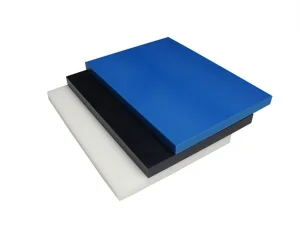
Standard master sheet sizes include 1000×2000mm, 1220×2440mm (4×8 ft), 1500×3000mm, and 2000×4000mm with thickness gauges spanning from 1mm up to 150mm. Custom dimensions, continuous coiled sheets, specific RAL color matching, UV inhibitor packages, and anti-static additives are routinely produced on demand.
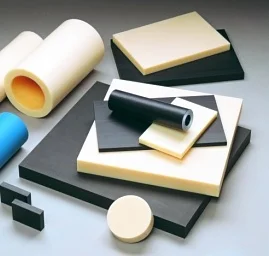
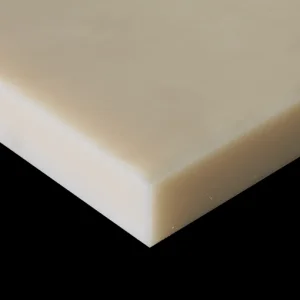
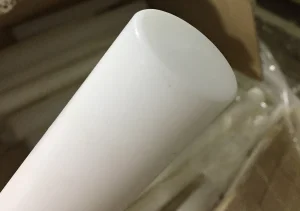
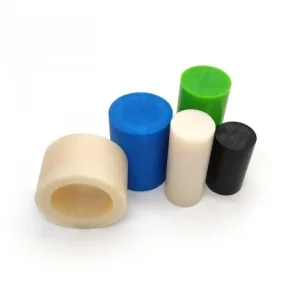
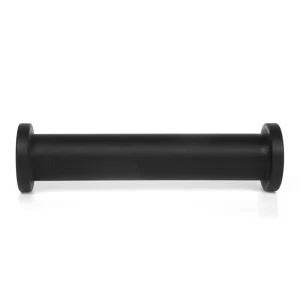
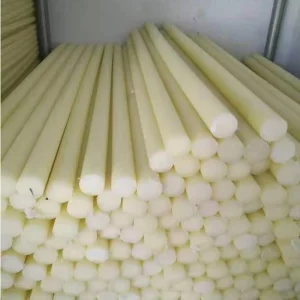
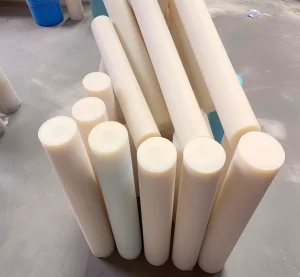
Specialized Engineering Plastic Semi-Finished Stock & Castings
Explore our certified nylon, acetal, cast board, and customized profile inventory engineered for demanding tribological and mechanical performance.
Accelerate Your Engineering Procurement
Submit your custom specifications, material grades, or 2D/3D component drawings. Our polymer engineers will review your files and provide a complete factory-direct proposal within 12 hours.