
Featured Industrial Polymers & Precision Extrusion Stock
Integrate high-grade engineering polymers and elastomeric bar profiles into your high-pressure fluid, mechanical damping, and automated production systems.
Engineering Integrity of Industrial Rubber 6 Bar Systems
In high-load fluid displacement, structural pneumatic isolation, and severe weather marine sealing, selecting an authentic "Rubber 6 Bar" profile marks the difference between continuous operating stability and catastrophic pressure failure. This technical white paper examines how China's advanced polymer factories deliver certified pressure-rated elastomeric bars with unmatched cost efficiency.
Pressure Rating & Burst Safety Factors
A true industrial 6 Bar rubber bar or extrusion must sustain a continuous dynamic pressure threshold of 0.6 MPa (87 PSI) without exhibiting micro-tearing, wall expansion, or seal creep. By incorporating dual-layer synthetic textile reinforcers (polyester/aramid filaments) and vulcanized sulfur cross-linking, our factory guarantees burst pressures surpassing 18 to 24 Bar (a 3:1 to 4:1 safety quotient).
- Tested via ASTM D380 hydrostatic protocols
- Zero plastic deformation under pulsed cyclic load
- Burst margin audited up to 2.4 MPa
Compounding Chemistry & Elastic Recovery
The core performance of Rubber 6 Bar stems from molecular chain mobility. Using customized virgin Nitrile (NBR), EPDM, or Neoprene (CR) matrices, SHUNDA optimizes the glass transition temperature (Tg) down to -40°C while resisting thermal degradation up to +125°C. Compression set metrics remain strictly below 25% under standard 70-hour thermal aging.
- ASTM D395 Method B compliance
- Resistance to ozone cracking (ASTM D1149)
- Low volatile formulation meeting REACH / RoHS
Thermoplastic & Elastomer Co-Extrusions
By marrying rigid polyamide (Nylon PA6/PA66) bases with flexible 6-bar dynamic rubber contact lips, our multi-manifold co-extrusion technology eliminates secondary assembly steps. Plant operators install snap-in wear rails and sealing profiles with rigid dimensional seating and compliant pressure sealing in one integrated step.
- Direct mechanical bonding without chemical adhesives
- Precision slide channels fit for CNC guideways
- Hybrid polymer engineering tailored to drawings
Why Sourcing Rubber 6 Bar from China Factories Wins the TCO Battle
Navigating fluctuating polymer resin indices and aggressive operational expenditure targets requires partnering with an established, vertically integrated Chinese polymer processor.
Upstream Chemical Integration
Situated in the industrial polymer hub of Northern China, SHUNDA benefits from direct-to-reactor synthetic elastomer feedstocks (NBR, SBR, EPDM) and high-viscosity polyamides. This bypasses the multi-tiered brokerage margins that inflate European and North American profile prices by 35% to 55%.
Continuous Microwave Vulcanization (UHF)
Unlike batch steam autoclaves that yield uneven hardness along the bar length, our computer-controlled UHF vulcanization lines run uninterrupted 24/7. Continuous thermal stabilization produces uniform tensile modulus, void-free core cross-sections, and zero porosity along 100-meter continuous coils.
In-House Tooling & Rapid EDM Prototyping
Developing custom rubber extrusion dies or multi-cavity injection molds typically stalls western projects for 6 to 10 weeks. Our CNC wire-EDM mold center fabricates bespoke extrusion dies within 48 to 72 hours, delivering pre-production pilot samples in under 5 business days.
Dual Engineering: Rubber + Rigid Polymers
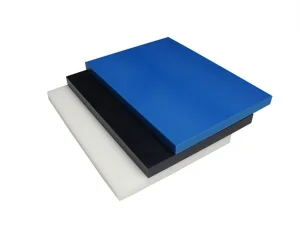
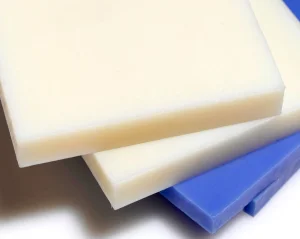
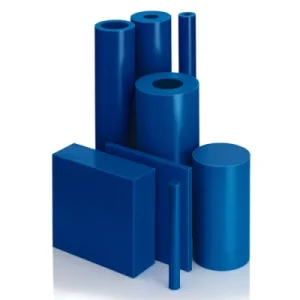
SHUNDA doesn't merely extrude elastomeric rubber; we simultaneously machine MC Nylon, POM, UHMWPE, and PTFE. Global clients can consolidate their entire Bill of Materials (wear guides, impact pads, bushes, and 6-bar sealing strips) into a single optimized export container.
Comparative Polymer & Rubber 6 Bar Material Matrix
Choosing the right elastomer compound depends on operating temperature, fluid immersion, mechanical friction, and dynamic working pressure. Consult our engineering benchmark table below.
| Elastomer / Polymer Compound | Hardness (Shore A/D) | Tensile Strength (MPa) | Working Temp (°C) | Continuous Working Pressure | Chemical & Media Compatibility | Key Industrial Applications |
|---|---|---|---|---|---|---|
| NBR 6 Bar (Nitrile-Butadiene) | 65 ±5 Shore A | ≥ 14.5 MPa | -30°C to +110°C | 6.0 Bar (87 PSI) | Mineral oils, hydraulic fuels, aliphatic greases | Hydraulic cylinder scrapers, pneumatic fuel line seals |
| EPDM 6 Bar (Peroxide Cured) | 70 ±5 Shore A | ≥ 13.0 MPa | -45°C to +135°C | 6.0 Bar (87 PSI) | Steam, hot water, ozone, polar solvents, alkalis | Municipal water storage tanks, HVAC heat exchanger strips |
| Neoprene (CR) Marine Bar | 60 ±5 Shore A | ≥ 12.0 MPa | -35°C to +105°C | 6.0 Bar (87 PSI) | Seawater, weathering, intermittent petroleum contact | Hatchway rubber packing, offshore mooring fender bumpers |
| Fluoroelastomer (FKM / Viton) | 75 ±5 Shore A | ≥ 11.5 MPa | -20°C to +200°C | 6.0 Bar (87 PSI) | Aromatics, concentrated acids, bio-diesel blends | Petrochemical flanges, engine high-temp fuel return lines |
| Hybrid PA6 / MC Nylon Solid Bar | 82 ±3 Shore D | ≥ 80.0 MPa | -40°C to +100°C | Structural Rigid | Hydrocarbons, weak acids, abrasive dust slurries | Impact cushions, crane outrigger pads, heavy wear plates |
| UHMWPE Ultra-Slide Guide Bar | 68 ±3 Shore D | ≥ 35.0 MPa | -150°C to +80°C | Dynamic Sliding | Universal chemical inertness (except oxidizing acids) | Conveyor chain wear guides, bulk hopper flow liners |
Technological Transformations Reshaping the Rubber 6 Bar Industry
Modern automation, decarbonization mandates, and high-frequency digital testing are fundamentally updating how low-pressure and medium-pressure elastomeric products are formulated and deployed globally.
PFAS-Free Green Compounding
With tightening European REACH regulations restricting per- and polyfluoroalkyl substances (PFAS), advanced compounding engineers are replacing traditional fluorinated processing aids with bio-based silane cross-linkers. This preserves high slip and 6-bar fluid containment without environmental persistence.
Inline Closed-Loop Laser Micrometry
Human gauge inspection cannot keep pace with 30-meter-per-minute continuous extrusion lines. Our advanced dual-axis laser scanners track wall thickness, internal diameter, and bulb geometry in real-time, instantly adjusting extrusion screw rpm to maintain critical ±0.05 mm mechanical sealing tolerances.
Thermoplastic Vulcanizate (TPV) Transition
In non-critical dynamic pressure lines, cross-linked PP/EPDM (TPV) materials are superseding standard thermoset rubbers. TPVs offer full post-consumer recyclability, reduced energy footprints during processing, and superior weldability for seamless rectangular perimeter frames.
Localized Application Scenarios & Heavy-Industry Solutions
From sub-zero mining extraction in Northern Eurasia to humid offshore transshipment facilities in Southeast Asia, our Rubber 6 Bar and industrial polymer systems are tailored to distinct operational stresses.
Pneumatic & Low-Pressure Fluid Handling
Industrial machinery air compressors and low-pressure return hydraulic circuits operate consistently at 4 to 6 Bar gauge pressure. Our fabric-reinforced NBR bars function as long-life perimeter dampeners and manifold headers that eliminate air pulse leakage and dampen high-frequency compressor vibration.
Water Infrastructure & GRP Tank Sealing
Modular water storage tanks (GRP/FRP pressed panel construction) demand specialized EPDM elastomeric strip profiles rated for 6 Bar hydrostatic head loads. Our cross-profile gasket bars absorb thermal contraction without losing compressive load, ensuring leak-free municipal potable water storage.
Foundation Piling & Heavy Impact Hammer Cushions
Modern piling rigs impose dynamic shockwaves that destroy bare metal anvils. Combining high-toughness MC Nylon plates with dense elastomeric cushion bars absorbs destructive kinetic rebound while transmitting maximum force to the piling casing, drastically prolonging hammer lifespan.
Automotive Assembly & Robotic Automation Jigs
Precision paint shops and body assembly fixtures utilize our non-marking, silicone-free EPDM square bar stock. These custom profiles protect car panels from scratching during automated robot handling while standing up to high-pressure 6-bar washdown cycles.
Global Enterprise Sourcing: Mitigating Procurement Pitfalls
Procurement executives seeking cheap Rubber 6 Bar suppliers often encounter issues like misleading pressure claims, resin adulteration with cheap carbon black filler, and maritime moisture degradation. Here is our comprehensive quality safeguard framework.
Fillers vs. Virgin Polymer Ratio
Disreputable suppliers slash quotes by overloading compounds with calcium carbonate and recycled tire crumbs, resulting in brittle bars that fail under 6 Bar pulsing. SHUNDA certifies virgin polymer mass fraction (≥52%) backed by Thermogravimetric Analysis (TGA) test certs per batch.
Batch Traceability & EN 10204 3.1 Certification
Every wooden crate or continuous coil of Rubber 6 Bar leaves our factory stamped with an individualized QR batch identifier. Overseas QA managers download rheometer curing curves, tensile test records, and Shore durometer graphs with a quick scan.
Export-Grade Vacuum Moisture Packing
Cross-ocean marine humidity can degrade unvulcanized polymer surfaces or rust embedded steel cord reinforcements. We protect our profiles with multi-layer heavy-duty polyethylene barriers, desiccant saturation packets, and heat-treated ISPM-15 wooden export skids.
Frequently Asked Questions (FAQ) for Technical Buyers
Detailed answers addressing engineering feasibility, lead times, pressure tests, and procurement logistics direct from our senior chemical engineers.
What exactly does the rating "Rubber 6 Bar" designate in practical engineering? +
How does SHUNDA balance cheap pricing with stringent ISO & ASTM quality criteria? +
Can you co-extrude Rubber 6 Bar profiles with rigid engineering plastics like Nylon or POM? +
Which polymer base should I specify: EPDM, NBR, or Neoprene for my 6-bar system? +
What documentation and inspection certificates are included with commercial shipments? +
What are your minimum order quantities (MOQ) and production turnaround windows? +
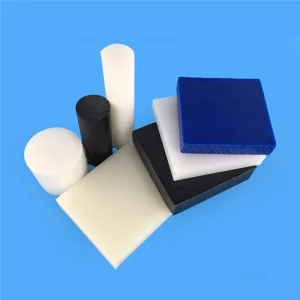
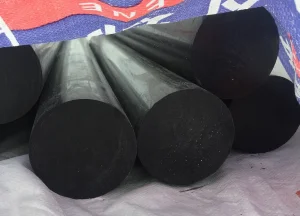
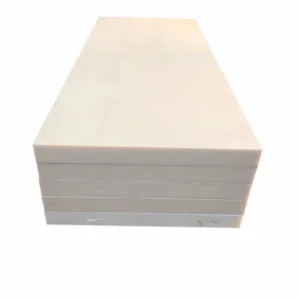
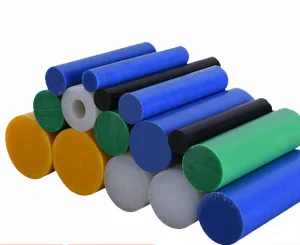
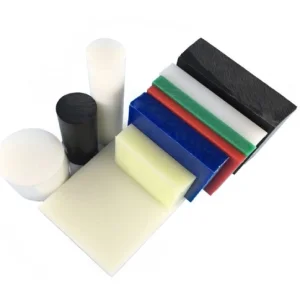
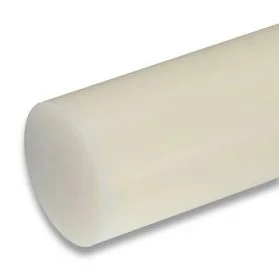
Explore Complete Industrial Bar, Rod & Machined Stock
Consolidate your orders by combining high-performance engineering plastics, cast nylons, and UHMWPE plates directly with our elastomeric production runs.
Request Engineering Validation & 12-Hour Factory Quotation
Send your dimensional drawings (.STEP, .DWG, .PDF) or specific chemical immersion criteria. Our senior materials application team delivers feasibility feedback, material optimization advice, and transparent factory-direct pricing within 12 hours.