

Featured Semi-Finished & Machined Stock
High-Performance Engineering Polymer Stock & Semi-Finished Components
Explore our core production batches engineered for extreme mechanical resilience, structural low friction, and tight dimensional stability.
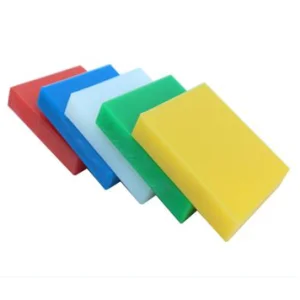
Buy China Engineering Plastic Polyamide PA6 PA66 Nylon PP UHMWPE PTFE HDPE ABS Plastic Sheet Rod Bar Suppliers, Product
Inquire Product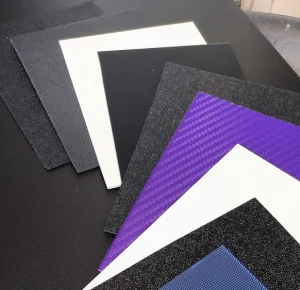
Buy China Engineering Plastic OEM Smooth Texture ABS Plastic Sheet Factory Customized Color With Size Factories, Companies
Inquire Product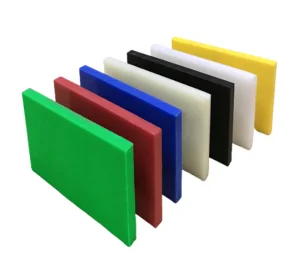
Buy MC Nylon Sheet Supplier, Company
Inquire Product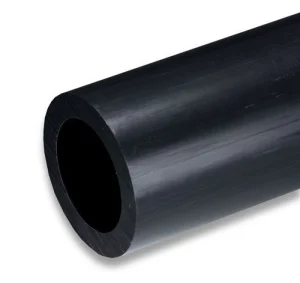
Discount POM Tube Black POM Tube, White POM Tube, POM Pipe, POM Plastic Tube Pipe Exporters, Product
Inquire Product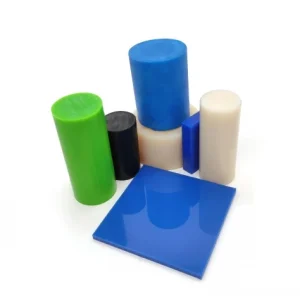
Discount Engineering Plastic Polyamide PA6 PA66 Nylon PP UHMWPE PTFE HDPE ABS Plastic Sheet Rod And Bar Customized Color With Size Companies, Product
Inquire Product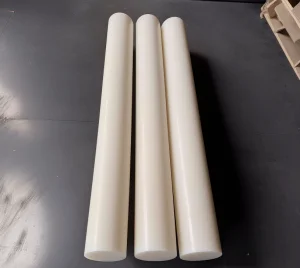
Cheap ODM OEM Engineering Plastic Cast PA6 Polyamide Nylon plastic Tube Rod And Bar Customized Color With Size Companies, Products
Inquire Product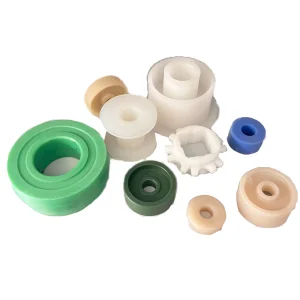
China CNC Machined Parts Exporters, Product
Inquire Product20+
Years Factory Operation
1/7th
Weight vs Bronze Rings
45%
Procurement Cost Reduction
±0.02mm
CNC Turning Precision
Executive Technical Briefing
Commercial Status & Industrial Reality of "Cheap Ring MC" Manufacturing
In global procurement, "cheap" frequently triggers caution regarding filler content and substandard recycling. At SHUNDA, cost reduction is achieved purely through atmospheric anionic polymerization efficiency, near-net-shape centrifugal casting, and direct supply economics.
The term "Ring MC" designates high-diameter, precision Monomer Cast (MC) Polyamide rings, bushings, bearing cages, slewing gear rings, and wear seal collars. Historically, rotating and heavy-sliding industrial assemblies relied entirely on phosphor bronze, cast iron, brass, or stainless steel alloys. However, modern tribological engineering has established that Monomer Casting Nylon (MC PA6) delivers unprecedented weight-to-yield performance, self-lubricating dry-running capabilities, and remarkable dampening properties against high harmonic shock loads.
The contemporary international market for MC Nylon rings is experiencing rapid structural expansion. In sectors spanning offshore dredging, deep-well marine winches, hydraulic cylinder manufacturing, mobile harbor cranes, and high-throughput beverage bottling conveyors, design engineers face mounting pressure to eliminate grease contamination and lower unsprung rotating mass. Yet, traditional Western polymer converters maintain steep premiums driven by multi-tier distribution margins and high capital expenditures. Our automated casting base in Henglan Town, Xinhe County, resolves this bottleneck by integrating raw caprolactam monomer synthesis directly with computer-controlled annealing ovens and multi-axis CNC lathe cells.
"True manufacturing cost leadership in engineering plastics does not stem from downgrading resin grades. It is achieved by optimizing mold cycle times, recovering thermal polymerization energy, and eliminating raw stock machining allowances through precision hollow centrifugal casting."
Consequently, when engineering procurement managers search for a cheap ring MC manufacturer, the objective is not to acquire brittle, un-annealed scrap polymer. Rather, the goal is securing verified ISO-certified mechanical properties—tensile yield strength above 80 MPa, compressive modulus exceeding 3,000 MPa, and Shore D hardness of 82–85—at uninflated, direct factory gate export tariffs.
Material Engineering Specification
Comparative Tribological & Physical Property Matrix
Evaluate our cast nylon formulation grades against other standard industrial engineering polymers used in ring, seal, and bushing fabrication.
| Polymer Grade / Alloy | Specific Gravity (g/cm³) | Tensile Strength at Yield (MPa) | Dynamic Friction Coeff. (Dry vs Steel) | Continuous Working Temp (°C) | Primary Industrial Ring Application |
|---|---|---|---|---|---|
| SHUNDA MC Natural (Ivory PA6) | 1.15 - 1.16 | 85 | 0.28 - 0.35 | -40 to +110 | Standard guide rings, support bushings, cable sheaves |
| SHUNDA MC Blue (High Toughness) | 1.15 | 82 | 0.26 - 0.32 | -40 to +105 | Heavy mobile crane outrigger collars, excavator swivel rings |
| SHUNDA MC Oil-Filled (Green/Self-Lube) | 1.14 | 76 | 0.12 - 0.18 | -40 to +100 | High-velocity rotating wear rings, grease-free journal bearings |
| SHUNDA MC MoS2 Filled (Black/Anthracite) | 1.17 | 88 | 0.20 - 0.25 | -40 to +120 | Heavy-load slewing gears, high-temperature planetary rings |
| Extruded POM-C (Polyacetal) | 1.41 | 68 | 0.25 - 0.30 | -50 to +100 | Dimensional tolerance rings in water immersion / wet pumps |
| UHMWPE (Molecular Wt. 5M+) | 0.94 | 28 | 0.10 - 0.15 | -150 to +80 | Low-load impact guide rings, chute liners, scraper seals |
| Bearing Bronze (CuSn12 / SAE 660) | 8.80 | 280 | 0.35 (Lubricated: 0.08) | Up to +250 | Extreme pressure metal bearings requiring constant oil feed |
As demonstrated in empirical tribological testing, substituting bronze rings with Oil-Filled MC Nylon Rings yields an immediate 87% reduction in dead-weight while dropping the coefficient of friction under boundary lubrication from 0.35 to 0.15. This drastic kinetic friction reduction curbs parasitic power consumption across heavy motor drives, extends component operating intervals by up to 3.8 times, and totally eradicates rotational shaft galling.
Field Deployment
Localized Heavy-Duty Application Scenarios for MC Rings
Where operating conditions render bronze brittle, stainless steel costly, and unreinforced plastics fragile, cast monomer nylon rings excel.
Hydraulic & Pneumatic Cylinder Seals
Cast PA6 split wear rings and back-up retaining rings eliminate metal-to-metal barrel scuffing in heavy hydraulic rams. Their superior compressive recovery handles cyclic shock loads up to 100 MPa without irreversible plastic deformation.
Port Cranes & Offshore Slewing Rims
Large-diameter (Ø 300mm to 2000mm) MC nylon slewing guide rings resist saline spray, seawater washouts, and ultraviolet degradation. They safeguard expensive internal steel gear teeth from abrasive sand and dust ingress.
Mining Vibratory Screens & Crushers
The viscoelastic molecular matrix of cast polyamide absorbs extreme cyclical vibration frequencies, preventing acoustic amplification and mitigating fatigue fractures in adjoining steel structural housings.
Enterprise Turnkey Framework
Macro-Level Engineering Solutions for Global Distributors & OEMs
How SHUNDA transforms supply chain bottlenecks into lean, competitive advantages for tier-1 machine builders.
Direct Resin-to-Lathe Integration
By producing semi-finished tubes, hollow bars, and discs within the same perimeter as our high-speed CNC turning centers, we eliminate external logistics markups, internal transit packaging waste, and raw stock oxidative skinning.
- Elimination of 3rd-party stockist premiums
- Zero latency between casting and secondary machining
- Complete circular regrind of internal turning swarf into secondary agricultural items
Full-Batch Traceability & QA
Every casting run undergoes spectrophotometric checks of liquid caprolactam monomer purity, catalytic ratio regulation, and computer-logged temperature ramp annealing to eradicate residual hoop tension.
- Certificate of Analysis (COA) provided with every export container
- CMM coordinate inspection verifying ring ovality within ±0.03mm
- Ultrasonic non-destructive testing (NDT) to certify zero internal voids
Export-Optimized Logistics
Engineered plastics are susceptible to environmental moisture absorption during long-distance oceanic freight. SHUNDA implements moisture-barrier vacuum foil packaging and rigid edge reinforcement.
- Desiccant-sealed ocean crates preserving dry-as-molded tolerances
- Custom laser etching of part codes, revision dates, and OEM branding
- Flexible door-to-door DDP arrangements for European and North American ports
R&D Pipeline
Technological Roadmap & Next-Gen Polymer Tribology
Our forward-looking development milestones ensuring sustained performance and environmental compliance through 2030.
Phase 01 / Current Standard
Centrifugal Near-Net Casting
Refining centrifugal liquid monomer rotational speeds to achieve dense, void-free hollow billets. Minimizes machining allowances from 15mm down to 3mm per wall side.
Phase 02 / Advanced Additives
Nano-Ceramic Hybrid MC
Infusing sub-micron silicon carbide (SiC) and graphene platelets into the liquid matrix to enhance compressive yield threshold past 125 MPa for extreme deep-sea applications.
Phase 03 / Process Automation
Robotic Annealing & Turning
Deploying automated robotic cell tending for 24/7 continuous turning of standardized MC nylon ring geometries, tightening cost profiles and delivery lead-times.
Phase 04 / Sustainability
Bio-Based Caprolactam Formulations
Partnering with green chemical innovators to transition 30% of base caprolactam feedstock to bio-derived monomers without sacrificing crystalline mechanical integrity.
Technical Clarity
Frequently Asked Questions Regarding MC Nylon Rings
In-depth responses compiled by our senior polymer process engineers for design and sourcing authorities.
What causes cheap nylon rings to warp or crack during machining?
Warping and internal micro-cracking occur almost exclusively due to unmanaged residual cooling stresses. When low-cost producers shortcut the 24-to-48-hour thermal annealing cycle to save electricity, severe differential tensile stress remains trapped between the outer skin and the inner core.
As soon as a CNC lathe tool cuts past the boundary layer, the stress equilibrates unevenly, resulting in out-of-round ovality or stress crazing. At SHUNDA, all MC nylon billets undergo oil-bath or precision hot-air annealing cycles to guarantee completely stress-relieved stock that maintains dimensional roundness during heavy facing and boring.
How does Cast MC Nylon PA6 differ from Extruded PA66 in ring production?
Extruded PA66 is processed through thermal plasticization of solid pellets inside an extruder barrel, creating moderate polymer chain lengths and directional molecular orientation. Monomer Cast Nylon (MC PA6) is formed by directly polymerizing liquid caprolactam monomer inside a mold at atmospheric pressure using a chemical catalyst and activator.
This yields a much higher molecular weight (up to 300,000–1,000,000 g/mol vs ~30,000 g/mol for extruded), a significantly higher degree of crystallinity, improved wear resistance, higher dimensional stability under continuous compressive stress, and the ability to produce massive rings exceeding 2 meters in diameter without expensive injection tooling.
How should design engineers account for nylon moisture absorption?
Polyamides are hygroscopic materials. In submerged or high-humidity environments, MC nylon will absorb between 1.5% and 6.5% moisture at equilibrium, resulting in dimensional swelling (approximately 0.2% linear expansion for every 1% of water uptake).
To avoid bore binding on rotating shafts, engineers should allocate an additional diametral clearance (typically 0.005 to 0.008 mm per mm of shaft diameter) or opt for our internally lubricated Oil-Filled MC grade, which exhibits hydrophobic characteristics and absorbs significantly less moisture than virgin natural PA6.
Can SHUNDA manufacture split bearing rings and segmented wear bands?
Yes. We regularly supply 2-piece split guide rings, 4-quadrant slewing shoes, and scarf-cut / step-cut hydraulic piston retaining rings. Split rings can be machined directly from cast tube stock or pre-slit using high-precision CNC slitting cutters to ensure flush, mismatch-free mating lines upon site installation around existing heavy drive shafts.
What drawing file formats are accepted for custom CNC turning quotes?
Our engineering team accepts 3D solid models in STEP (.stp), IGES (.igs), and Parasolid (.x_t) formats, paired with 2D dimensional drawings in PDF, DWG, or DXF showing required geometric tolerancing (GD&T), surface finish indicators (Ra), and critical concentricity references.
What is the minimum order quantity (MOQ) and production turnaround?
For standard hollow cylinders and solid bars held in stock, our MOQ is as low as 1 piece for prototype validation. Custom-cast diameter billets or machined ring series typically carry an MOQ of 50 to 500 units depending on size. Standard prototype samples ship within 3–5 working days; series production is routinely fulfilled within 12–18 business days.
Additional Verified Stock & Extended Catalog
Specialty Polymers, Tubes, Boards & Precision Machining Catalog
Complete your procurement specification by selecting complementary engineering plastics directly from our factory production program.
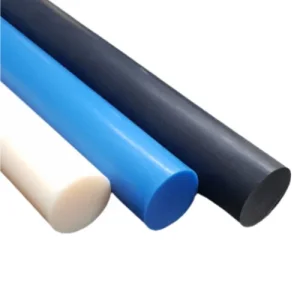
Cheap TEFLON Rod Manufacturers, Exporter
Inquire Product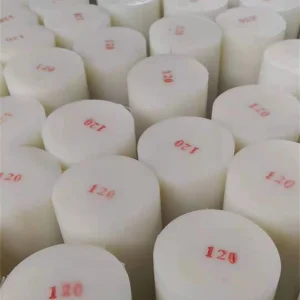
Discount ODM OEM Engineering Plastic Cast PA6 Polyamide Nylon Oil Filled Nylon Rod Glass Filled Nylon Rod Plastic Tube Rod And Bar Customized Color With Size Manufacturers, Company
Inquire Product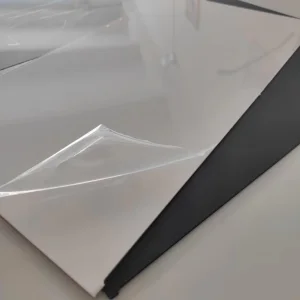
Wholesale China Engineering Plastic OEM Smooth ABS Plastic Sheet Factory Customized Color With Size For Refrigerator Door Company, Product
Inquire Product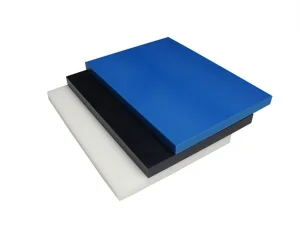
Wholesale Natural Nylon Plate/Sheet, Black Nylon Plate/Sheet, Blue Nylon Plate/Sheet Exporter, Product
Inquire Product
China White POM Rod, Black POM Rod, POM Bar, POM Plastic Rod Suppliers, Exporter
Inquire Product
Buy Trending Products China High Quality PP Rod, Polypropylene Rod, Plastic Rod With White, Grey, Green Color etc. Manufacturers, Suppliers
Inquire Product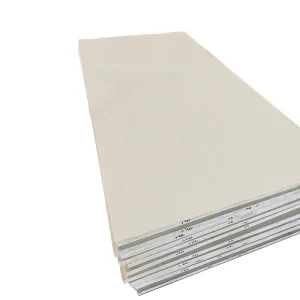
China China Engineering Plastic Casting Polyamide Nylon ABS PTFE HDPE UHMWPE Plastic Sheet Tube Rod And bar Customized Color With Size Suppliers, Companies
Inquire Product
China Special Price for Wholesale Plastic Borad PA6/PA66 Board Durable Nylon Rods for Various Uses Factory, Exporter
Inquire ProductEngage Direct Factory Engineering Sourcing Today
Send your custom ring dimensions, CAD blueprints, or resin specifications to our senior technical sales division. Receive formal DDP/FOB pricing, resin material certifications, and cycle assessments within 12 business hours.