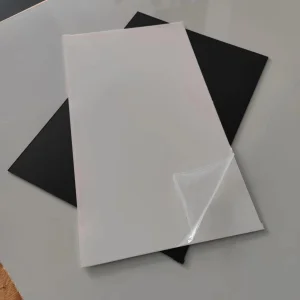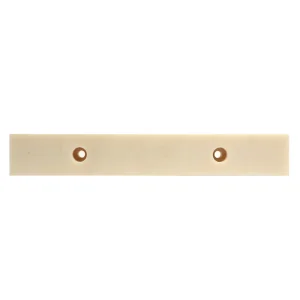
Direct Sourcing Lineup
High-Performance Engineering Polymers & PTFE Stock
Explore our foundational semi-finished stocks, cast nylon shapes, and high-tolerance engineered polymers ready for immediate worldwide dispatch.
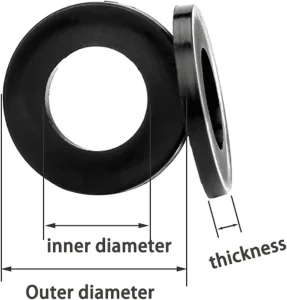
OEM Polyamide Natural MC Nylon Ring & Cast PA6 POM Rod
Inquire Product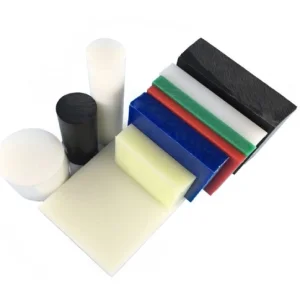
Engineering Plastic PA66, UHMWPE, PTFE HDPE ABS Sheet & Rod
Inquire Product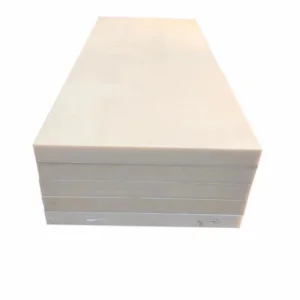
Large Size Moulded Plastic Sheet Nylon PA6 HDPE UHMWPE ABS
Inquire Product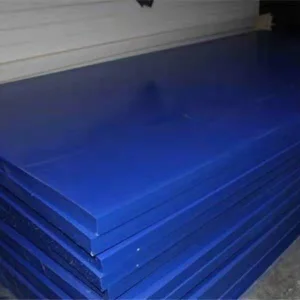
MC Casting Nylon PA6 HDPE UHMWPE Hard Board Sheet
Inquire Product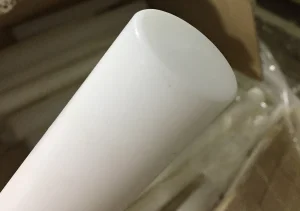
Precision White & Black POM Acetal Rods & Plastic Bars
Inquire Product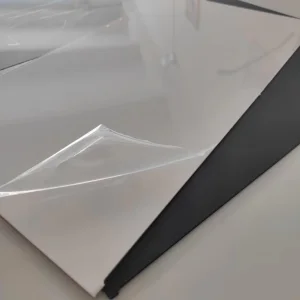
OEM Smooth ABS Plastic Sheet Customized for Refrigerator Doors
Inquire Product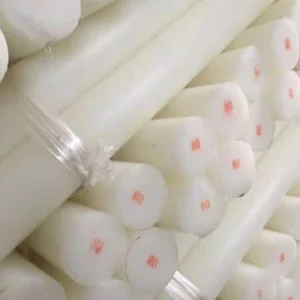
Custom Cast PA6 POM ABS PP PTFE Plastic Rod & Bar
Inquire Product
Macro Industrial Dynamics
Global PTFE Gasket Market Architecture & Industrial Demand
Polytetrafluoroethylene (PTFE) represents the apex of modern sealing polymers, serving severe service operating environments across chemical, semiconductor, and cryogenic infrastructures.
Severe Corrosion Immunity
Global petrochemical processors confront non-stop chemical aggression. Virgin PTFE exhibits near-universal chemical inertness across pH 0–14, unreactive to aggressive acids, alkali bases, solvents, and halogens, precluding premature gasket embrittlement.
Thermal Integrity (-200°C to +260°C)
From liquefied natural gas (LNG) cryogenic manifold pipelines at -196°C to high-heat polymerization reactors running up to +260°C, high-crystallinity PTFE gaskets retain sealability without thermal degredation or brittle fracturing.
FDA High-Purity Compliance
Pharmaceutical cleanrooms and semiconductor etching require absolute non-contaminating components. PTFE gaskets prevent process fluid leaching, release zero plasticizers, and meet strict FDA 21 CFR 177.1550 and USP Class VI mandates.
Supply Chain Excellence
Why Sourcing "Cheap PTFE Gaskets" from China Delivers Superior ROI
In global procurement, "cheap" does not mean substandard. At SHUNDA, cost efficiency is engineered through vertical integration, smart nesting algorithms, and localized upstream monomer availability.
Upstream Scale
China commands over 60% of worldwide tetrafluoroethylene (TFE) fluorochemical capacity. SHUNDA sources high-grade polymer powder directly from domestic refineries, bypassing speculative import markups.
Automated Stamping
High-speed hydraulic punch presses paired with CNC oscillating knife cutters guarantee precision edges. Automated nesting software slashes fluoropolymer scrap waste by up to 34% compared to manual plotting.
Cold Creep Elimination
Pure PTFE has a physical tendency to cold flow under continuous mechanical load. Our modified and biaxially fibrillated ePTFE compounds mitigate creep relaxation, extending flange bolt torque retention.
Standard Flange Tooling
In-house progressive dies match universal standards: ASME B16.21, DIN EN 1514-1, and JIS B2404. We eliminate tooling lead times and mold fees for standard pipe dimensions (1/2" up to 60" NB).
Technical Specification Matrix
PTFE Gasket Material Selection & Performance Thresholds
Engineered fluid containment demands precise alignment between polymer microstructure and process dynamics. Use our factory benchmark matrix below.
| Gasket Material Variant | Filler / Microstructure | Operating Temp Range | Maximum Pressure | Primary Industrial Use-Case |
|---|---|---|---|---|
| Virgin PTFE Gasket | 100% Pure Virgin Polymer Resin | -200°C to +260°C | Up to 50 Bar (5.0 MPa) | High-purity pharma cleanrooms, food processing, mild chemical piping where creep is minimized. |
| Expanded PTFE (ePTFE) | 100% Multidirectional Fibrillated | -240°C to +270°C (Short +315°C) | Up to 200 Bar (20 MPa) | Glass-lined, plastic, FRP pipe flanges, warped sealing faces, highly aggressive chemical synthesis. |
| Glass Fiber Filled PTFE | 15% / 25% E-Glass Reinforcement | -200°C to +260°C | Up to 85 Bar (8.5 MPa) | Demanding mechanical flange joints requiring elevated compressive strength and minimal creep. |
| Carbon / Graphite Filled | 15% – 25% Amorphous Carbon | -200°C to +260°C | Up to 100 Bar (10 MPa) | Strong alkali services, hydrofluoric acid lines, and applications requiring static dissipation. |
| PTFE Envelope Gasket | PTFE Skin + EPDM/CNAF Core | -60°C to +150°C (Core reliant) | Up to 40 Bar (4.0 MPa) | Economical chemical containment: combines PTFE chemical defense with rubber/elastomer spring-back elasticity. |
Application Engineering
Mission-Critical Installation Environments
Where failure is not an option. SHUNDA custom-manufactures gaskets for distinct mission profiles across international operating plants.
Chlor-Alkali & Fertilizer
Wet chlorine gas, nitric acid tanks, and sulfuric lines erode aramid and elastomeric gaskets within days. Pure and expanded PTFE delivers an impervious barrier, preventing fugitives emissions and unscheduled emergency shutdowns.
High-End Wafer Fabrication
Semiconductor ultra-pure water (UPW) loops and aggressive acid etch tooling (including HF manifolds) require gaskets completely devoid of extractables, metal ions, or trace TOCs. Virgin PTFE guarantees cleanroom grade purity.
Cryogenic Gas Terminals
Handling Liquid Nitrogen, Oxygen, and LNG at temperatures plunging toward absolute zero will shatter traditional rubber seals. PTFE retains molecular elasticity at -200°C, delivering leak-free storage and vaporizing performance.
Industry Trends & Sourcing
Future Outlook: Low-Emission Compliance & Global Sourcing Trends
As international environmental regulations tighten, the role of PTFE sealing shifts from simple fluid retention to high-tech fugitive emission containment.
Fugitive Emission Mandates
Global standards such as TA-Luft (VDI 2440) and Clean Air Act Method 21 demand leak rates lower than 10⁻⁴ mbar·l/(s·m). Modified ePTFE gaskets fulfill these stringent sealing requirements under lower bolt torques.
Supply Chain Diversification
Western distributors and OEMs increasingly pair tier-1 premium domestic suppliers with dependable direct-from-factory China producers. Partnering with SHUNDA enables stable margins without surrendering ISO certification or drawing fidelity.
Recyclability & Sintering Innovation
Next-generation closed-loop sintering furnaces utilize precision PLC profiling, preventing monomer thermal outgassing while reducing electrical consumption by 22%, driving green procurement standards.
Procurement & Technical FAQ
Frequently Asked Questions by Industrial Buyers
Key technical details, commercial expectations, and drawing verifications reviewed by our manufacturing engineers.
What causes pure PTFE gaskets to leak over time, and how do you prevent cold flow?
Pure virgin PTFE has an inherent viscoelastic physical tendency known as "creep" or cold flow: under sustained bolt stress and fluctuating thermal cycles, polymer chains slip, diminishing bolt torque and initiating fugitive bypass. To remedy this in critical applications, SHUNDA recommends using biaxially oriented expanded PTFE (ePTFE) or filled compositions (incorporating 15-25% glass fiber, carbon, or silica) to mechanically arrest chain slippage and secure permanent torque retention.
How do your PTFE gasket prices stay competitive without compromising resin purity?
Our pricing efficiency stems from manufacturing proximity and high-yield operational workflows. Located in Hebei, SHUNDA operates directly adjacent to the northern Chinese fluoropolymer manufacturing corridor, securing primary granular resins without broker markups. Furthermore, our high-speed continuous die-punching lines and multi-blade CNC plotting cutters run automated nesting algorithms that reduce sheet scrap to minimal industry thresholds.
Can SHUNDA manufacture custom-dimension PTFE gaskets from CAD/STEP drawings?
Yes. In addition to universal standard gaskets conforming to ASME B16.21, DIN EN 1514-1, and JIS standards, we routinely fabricate bespoke sealing geometries. Buyers can supply drawings in DWG, DXF, STEP, or PDF format. Our in-house tooling center produces precision custom punching dies or programs 5-axis CNC cutters to manufacture prototypes and production batches within tolerances down to ±0.02 mm.
What documentation and certifications accompany your export shipments?
Every industrial shipment comes complete with comprehensive quality and traceability documentation: EN 10204 3.1 Material Test Reports (MTRs), Certificates of Conformance (CoC), FDA 21 CFR 177.1550 compliance letters (for food and pharma grades), dimension inspection sheets, and standardized commercial export manifests designed for prompt customs clearance.
What are the typical lead times and minimum order quantities (MOQ)?
For standard ANSI/DIN dimensions in stock virgin or expanded PTFE, orders ship within 3 to 7 working days. Custom CNC profiles and specialized filled compounds typically take 10 to 15 working days depending on quantity. We maintain flexible MOQs to support initial prototype validation before scaling into full pallet or containerized shipments.
Industrial Polymer Portfolio
Complementary Engineering Plastic Stock & Machined Bushings
Streamline your supply chain by consolidating orders across our comprehensive selection of cast nylon, acetal, and high-performance polyolefin stock.
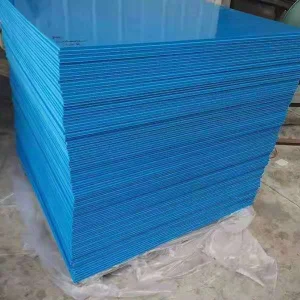
Industrial Grade High Strength China Blue MC Nylon Sheet
Inquire Product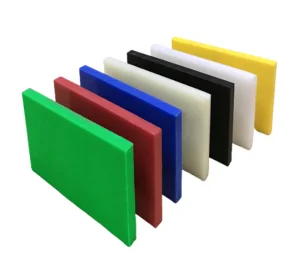
Self-Lubricating Green MC Cast Nylon Wear Sheet
Inquire Product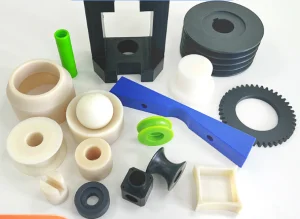
Heavy-Duty MC Nylon Outrigger Pad & Cushion Blocks
Inquire Product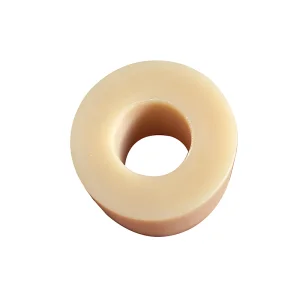
PA6 Polyamide Nylon POM PTFE HDPE PVC Hollow Tube & Rod
Inquire Product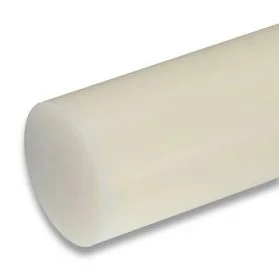
Natural MC Nylon Cast PA6 Round Bar & Engineering Plastic Rod
Inquire Product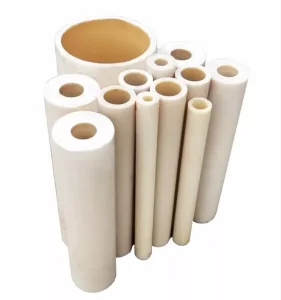
Cast Board PA6 Polyamide Nylon ABS PP Extruded Tube & Bar
Inquire Product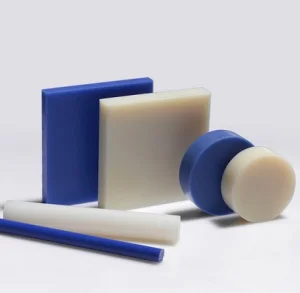
PA6 PA66 Nylon PP UHMWPE PTFE HDPE ABS Engineering Stock
Inquire Product