
20+
Years Production Excellence
100%
Virgin Caprolactam Synthesis
±0.15mm
Calibrated Thickness Tolerance
12 Hours
Global Engineering Quotation
Direct Mill Inventory
Featured Semi-Finished Engineering Polymers & Components
Immediate factory allocations ready for high-precision CNC routing, heavy equipment dampening, and industrial OEM mechanical fabrication.
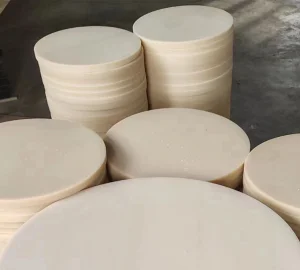
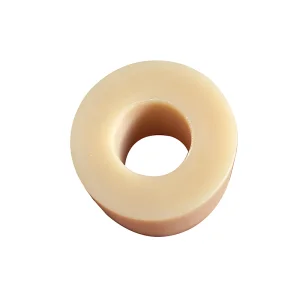
High-Quality Impact Nylon Cushion Use For Impact Hammer For Piling Machine Supplier
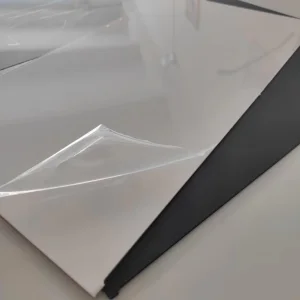
Wholesale China Engineering Plastic OEM Smooth ABS Plastic Sheet Factory Customized Color
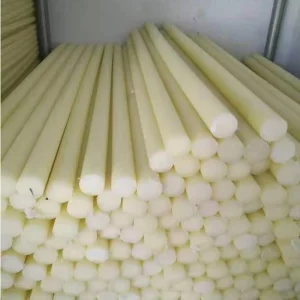
Discount ODM OEM Engineering Plastic Cast PA6 Polyamide Nylon ABS PP PTFE Plastic Rod Bar
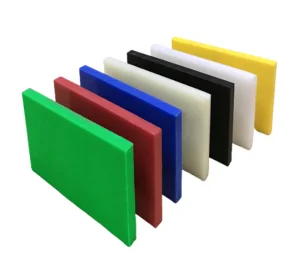
Cheap China Engineering Plastic polyamide PA6 PA66 Nylon PP UHMWPE PTFE HDPE ABS plastic Sheet
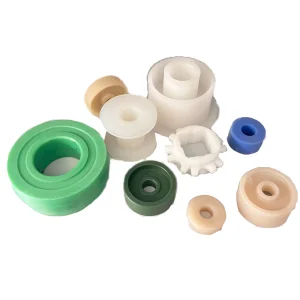
China CNC Machined Parts Exporters Industrial Bushings, Gears, and Sliding Profiles
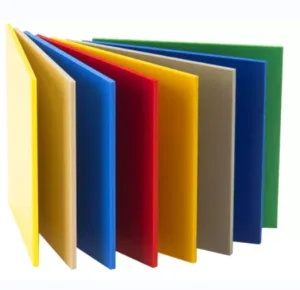
Cheap HDPE Sheet Exporters Direct High-Density Polyethylene Marine Liners & Tanks
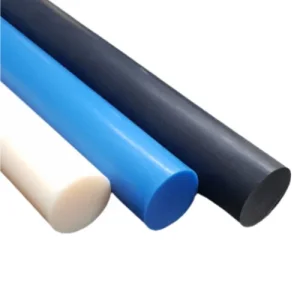
OEM Cast MC Nylon Rod Suppliers High-Toughness Polyamide Stock Billets
Industry Economics Whitepaper
Engineering Total Cost of Ownership (TCO): Demystifying Low-Cost PA6 Plate Sourcing
How vertically integrated monomer synthesis and continuous pressure-stabilized casting eliminate supply-chain overheads without sacrificing molecular weight or mechanical modulus.
Direct Mill Cost Architecture
When sourcing from middle-tier distributors, buyers routinely absorb stacked markups reaching 35% to 55%. SHUNDA operates integrated polymerization-to-extrusion infrastructure in Hebei, bypassing intermediate compounding brokers. Direct procurement translates raw caprolactam mass economies directly into flat-sheet unit cost advantages, achieving genuine "cheap" pricing rooted in manufacturing throughput rather than compromised resin quality.
Metal-to-Polymer Conversion
Replacing bronze, brass, phosphor-copper, and stainless steel wear plates with PA6 (Polyamide 6) reduces component weight by approximately 85% (density of 1.15 g/cm³ versus 8.8 g/cm³ for bronze). This massive density delta slashes rotational inertia, cuts structural drive power consumption, mitigates shipping tariffs per unit volume, and eliminates the recurring maintenance costs of continuous lubrication.
Stress-Free Annealing Cycles
Cheap nylon stock from low-tier producers frequently cups, twists, or bows upon CNC face-milling due to residual quenching gradients. Our factory subjects every thick-gauge PA6 plate to computerized slow-cycle thermal oil or liquid convection annealing. This relieves internal shear stress, preventing post-machining dimensional distortion and reducing costly scrap rates for precision machine shops.
Laboratory Verified Specifications
PA6 Polymer Matrix: Extruded vs. Cast (MC) vs. Modified Formulations
Accurate selection between extruded Polyamide 6 and anionic polymerized Cast MC Nylon 6 dictates wear longevity, coefficient of friction, and dimensional tolerance stability.
| Physical / Mechanical Property | Test Standard | PA6 (Extruded Plate) | MC Nylon 6 (Cast Plate) | PA6 + MoS2 (Lubricated) | PA6-GF30 (30% Glass Filled) |
|---|---|---|---|---|---|
| Specific Density (g/cm³) | ISO 1183 | 1.14 - 1.15 | 1.15 - 1.16 | 1.16 - 1.18 | 1.35 - 1.37 |
| Tensile Strength at Yield (MPa) | ISO 527 | 78 - 82 | 85 - 92 | 82 - 88 | 145 - 165 |
| Tensile Modulus of Elasticity (GPa) | ISO 527 | 3.1 | 3.4 - 3.6 | 3.5 | 8.5 - 9.2 |
| Charpy Impact Strength (kJ/m²) | ISO 179 | No Break / >100 | No Break / >90 | 75 - 85 | 50 - 65 |
| Rockwell Hardness (M Scale) | ISO 2039-2 | M85 | M88 - M92 | M87 | M95 |
| Dynamic Coeff. of Friction (Dry) | ASTM D1894 | 0.32 - 0.38 | 0.28 - 0.34 | 0.18 - 0.24 | 0.35 - 0.42 |
| Heat Deflection Temp (0.45 MPa, °C) | ISO 75 | 170 °C | 185 °C | 180 °C | 215 °C |
| Melting Point Peak (°C) | DSC, 10°C/min | 220 °C | 220 °C | 220 °C | 220 °C |
| Water Absorption Equilibrium (23°C, 50% RH) | ISO 62 | 2.6% - 2.8% | 2.2% - 2.4% | 2.1% - 2.3% | 1.5% - 1.7% |
*All parameters represent median laboratory readings calculated from natural resin lots conditioned at ASTM-standard atmosphere. Values change under post-saturation hygroscopic conditions.
Worldwide Procurement Perspective
Global Macro-Industrial Demand for Polyamide Stock Plates
Tracking commercial utilization across heavy equipment manufacturing, automated warehouse intralogistics, port installations, and sustainable energy projects.
Heavy Lifting & Mobile Cranes
Boom telescope wear pads and outrigger spread plates machined from high-load MC blue nylon. Drastically cuts steel-on-steel galling, reduces high-altitude counterweight requirements, and functions reliably across wide operational temperature bands from -40°C to +90°C.
Automated Conveyance & ASRS
High-speed sorting lines and automated storage/retrieval warehouses deploy PA6 low-friction guide strips and chain tracks. Operating dry without oil spray prevents package contamination while cutting operational acoustic decibels by 12–18 dB.
Harbor Fendering & Piling
Marine port infrastructure relies on thick cast nylon strike plates mounted over pile drivers and dock faces. Polyamide dampens repetitive mega-joule kinetic shock loads during maritime berthing, enduring saline exposure without electrochemical degradation.
Renewable Energy & Turbines
Wind turbine yaw and pitch slider assemblies operate under high localized contact pressures. Modified self-lubricating PA6 plates provide critical emergency dry running buffers, minimizing offshore maintenance mobilizations.
Export Compliance & Territorial Engineering
Global Standards, Environmental Mandates, and Localized Support
Aligning Chinese high-capacity plastic plate production with strict import barriers, chemical testing regimes, and regional processing standards across Tier-1 trade jurisdictions.
European Union: REACH, RoHS & Machinery Directive
Shipments destined for European OEMs (Germany, Italy, Poland, Scandinavia) strictly conform to EU Regulation (EC) No 1907/2006 (REACH) for SVHC substances. Every lot is verified free of banned plasticizers, heavy metal pigments, and short-chain chlorinated paraffins.
- Full traceability back to original caprolactam monomer inspection batches.
- Conforms to Directive 2011/65/EU (RoHS 3) for clean electrical equipment mounts.
- Custom gauge sizing aligned with metric DIN 2768-m standards to minimize CNC trimming waste.
North America: ASTM Standards & Seaworthy Logistics
North American distribution hubs in the USA and Canada require rigorous moisture packaging to survive cross-Pacific humidity swings. Our export lines implement heavy vacuum heat-sealed foil barrier wrapping backed by desiccants to freeze moisture absorption in transit.
- Direct imperial conversions (1/4" to 4" calibrated gauge plates) in standard 24" x 48" or 48" x 96" formats.
- ASTM D4066 standard line calls for virgin unreinforced and heat-stabilized grades.
- ISPM-15 heat-treated fumigated timber skids with zero transit flexing or edge-burring.
Production Engineering Manual
CNC Machining Guidelines: Maximizing Flatness and Tool Lifespan
Polyamide 6 dissipates heat slowly and expands under elevated tool frictional loading. Adhering to professional tooling geometry prevents molten edge roll and dimensional inaccuracy.
Tooling & Cutter Geometry
Utilize high-polish, single-flute or double-flute solid carbide cutters specifically ground for non-ferrous plastics. Retain a positive rake angle of 5° to 15° and an ample clearance angle of 10° to 20°. Dull tools developed for hardened tool steel cause friction melting and catastrophic tool clogging.
Feeds, Speeds & Air Knives
Maintain aggressive chip loads to carry thermal units away inside the chip rather than transferring heat back into the parent plate. Surface speeds should benchmark 250–500 m/min with chip loads of 0.2–0.5 mm/tooth. Vortex air-cooling guns or clean compressed air jets prevent chip recutting without liquid coolant mess.
Symmetric Pocket Removal
When milling deep pockets or thin-gauge web designs, always skim both top and bottom faces equally before final contour cuts. Removing excess material exclusively from one face disrupts the annealed thermodynamic boundary layer, inducing bowing or curvature on thin plates.
Polymer Evolution
R&D Roadmap: High-Performance Blends and Circular Economy
Pioneering the next horizon of sustainable, carbon-reduced polyamides and nano-reinforced composite plate matrices through 2030.
Bio-Derived Monomer Synthesis
Transitioning upstream from petrochemical caprolactam to bio-based feedstock derived from castor oil and non-food biomass. Our laboratory is prototyping bio-PA6 formulations yielding identical 80 MPa tensile thresholds while cutting product cradle-to-gate carbon footprints by up to 42%.
Nano-Graphene Reinforced PA6
Infusing exfoliated graphene nanoplatelets directly into liquid caprolactam prior to casting. This achieves uniform dispersion, elevating continuous service heat thresholds by +25°C, improving dry slide wear endurance by 300%, and providing electro-dissipative capabilities for ATEX hazard environments.
Closed-Loop Depolymerization
Engineering chemical reclamation cycles capable of cracking post-industrial PA6 machining swarf back into pristine monomeric caprolactam via vacuum catalytic thermolysis. This eliminates virgin raw material energy overheads while guaranteeing infinite recyclability without chain degradation.
Procurement & Engineering Intelligence
Frequently Asked Questions: Global PA6 Plate Sourcing
Detailed technical and commercial clarifications to ensure flawless purchasing, machining, and long-term operating outcomes.
Why is SHUNDA able to offer cheap PA6 plates without lowering resin purity?
Our cost efficiency originates entirely from chemical cluster advantages in Hebei, China, high-volume automated pressure extruders, and direct-to-customer factory shipping. We never dilute our formulations with unregulated regrind, chalk, or calcium carbonate fillers. Every sheet utilizes pure polymer-grade virgin caprolactam, giving you prime mechanical ratings at genuine mill-direct export rates.
How does Polyamide 6 (PA6) compare against Polyoxymethylene (POM / Acetal) for slide plates?
PA6 offers superior tensile elongation, impact shock absorption, and high-load wear resistance compared to POM. POM excels in dimensional stability in submerged or humid environments because its water absorption rate (0.2%) is significantly lower than PA6 (2.5% to 8%). Choose PA6 for abrasive slurries, high shock hammer cushions, crane slides, and heavy gear teeth; choose POM for submerged tight-tolerance valves and precision submerged rollers.
What is the standard thickness tolerance for extruded and cast PA6 sheets?
Extruded sheets (1 mm to 50 mm) generally carry a baseline tolerance of +0.2 mm to +0.8 mm depending on gauge. Large cast MC nylon plates (30 mm to 200 mm) carry an unmachined mill overage tolerance of +1.0 mm to +3.0 mm to allow for clean CNC squaring. Precision surface-planed or dual-face fly-cut plates can be supplied calibrated to within ±0.15 mm across the entire sheet face upon engineering request.
How do you accommodate the hygroscopic moisture expansion of PA6 in precision assemblies?
PA6 absorbs atmospheric water over time, which increases Charpy impact toughness but causes volumetric dimensional expansion (roughly 0.2% to 0.3% per 1% moisture uptake). For tight-tolerance components operating in humid conditions, engineers should calculate working pin and hole clearances based on conditioned moisture equilibrium (2.5% to 3.0%), or specify oil-impregnated or MoS2-lubricated modified nylon grades to limit water ingression.
Can you provide custom color-coded PA6 plates for OEM brand identification?
Yes. Beyond our standard natural ivory and industrial signal blue stocks, our continuous casting and extrusion lines can compound custom color masterbatches including deep black (carbon-stabilized for outdoor UV resistance), bright yellow, safety red, and machine green. Color pigments are fully non-leaching and compliant with RoHS regulations.
What export packaging prevents plate warping and edge-burring during sea freight?
All sheets are interleaved with protective scratch-resistant film, bundled with high-tensile steel banding, and enclosed inside thick PE water-barrier shrink film. Bundles are then anchored to heavy-duty, fumigated solid timber pallets or custom steel-reinforced skeleton skids. This ensures total protection against salt air humidity, fork lift tine drops, and dynamic shipping container movements.
Additional Mill Formats
Expanded Catalog: Specialized Polymer Plates, Rods & Hollow Tubing
Complementary engineering polymers available for immediate container consolidation, lowering your composite procurement overhead.
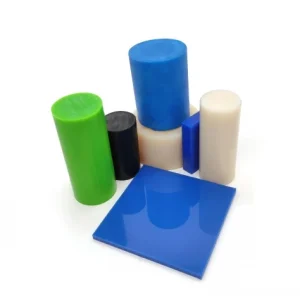
China Special Price for Wholesale Plastic Board PA6/PA66 Board Durable Nylon Rods for Various Uses
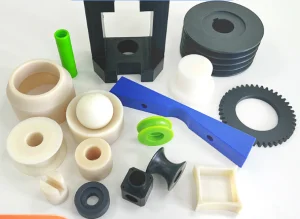
Discount MC Nylon Pad Product Heavy Vibration Dampening & Outrigger Sliding Bases
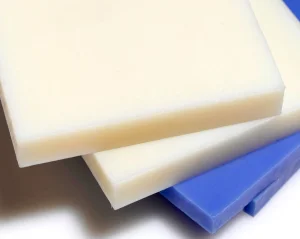
OEM Natural Nylon Plate/Sheet, Blue Nylon Plate/Sheet Factories, Companies Direct
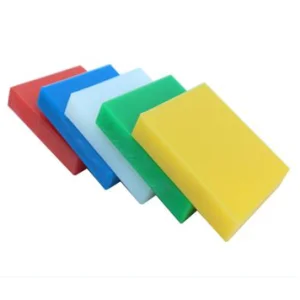
Buy China Engineering Plastic Polyamide PA6 PA66 Nylon PP UHMWPE PTFE HDPE ABS Plastic Sheet Rod Bar
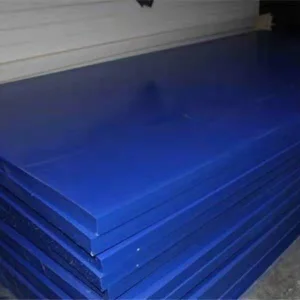
Discount High-Quality MC Casting Nylon PA6 HDPE UHMWPE Sheet Engineering Plastics Hard Board
Cheap TEFLON Rod Manufacturers Pure PTFE High-Temperature Chemical Seals
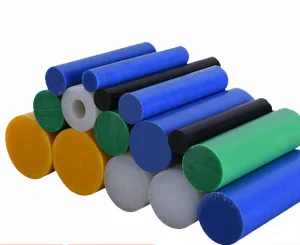
Discount Cast Nylon Tube Rod Cast Nylon Pipe Bar MC Nylon Tube Rod Bar Exporters
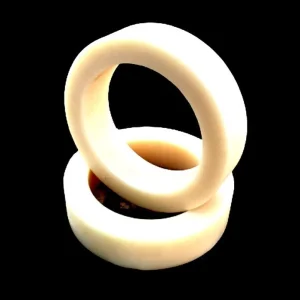
Buy Plastics Polyamide Natural MC Nylon Ring Cast Nylon Tube PA6 POM Rod Round Bar
Request Direct Mill Container Pricing & Technical Samples
Send your required sheet thicknesses, widths, lengths, target color, and estimated monthly container tonnage. Our polymer applications team responds within 12 hours with certified technical datasheets and binding FOB/CIF price quotes.