
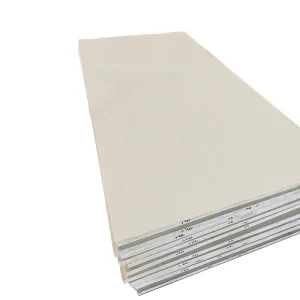
Featured Polymer Stock
Factory-Engineered Stock: Semi-Finished Rods & Sheets
Premium elastomeric rubber rods, wear-resistant cast nylon rounds, and precision extruded polymer bars certified for international industrial integration.
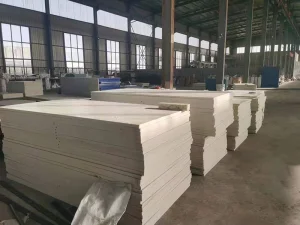
OEM Polyamide PA6 PA66 Nylon PP UHMWPE PTFE HDPE Sheet & Round Bar
View Technical Specs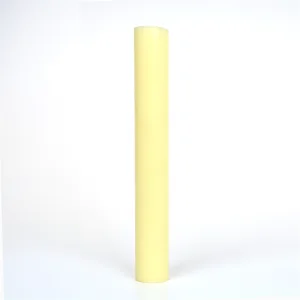
High Hardness PP Rod, ABS Rod, Nylon Rod Bar & PTFE Extruded Cylinders
View Technical Specs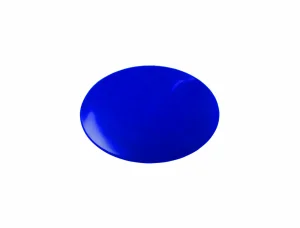
Impact Round Blue Color Elastomeric Cushion Discs for Piling Machinery
View Technical Specs
Oil-Filled Green MC Cast Nylon Stock Sheet for Heavy Friction Application
View Technical Specs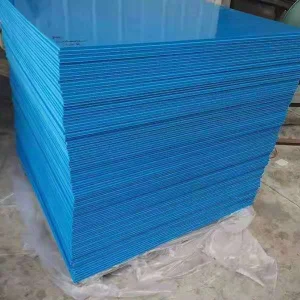
Cast Blue MC Polyamide Plate & High Elastic Damping Wear Blocks
View Technical Specs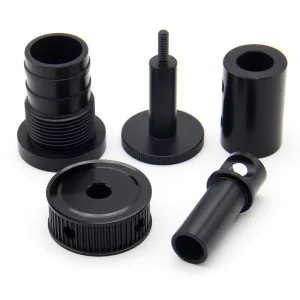
Precision CNC Machining Components: PEEK, PTFE, Delrin & Rubber Rings
View Technical Specs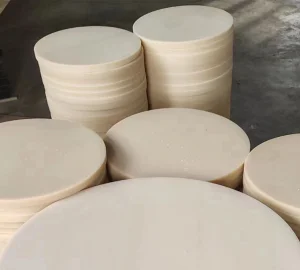
Industrial Dynamic Buffer Bushings & Pile Hammer Rubber Dampers
View Technical Specs
Material Science Authority
Industrial Elastomer & Rubber Rod Procurement Architecture
A complete engineering evaluation on mechanical damping, Shore hardness categorization, and structural polymer rod integration across extreme stress environments.
20+
Years Manufacturing Experience
±0.02mm
Precision CNC Tolerance Control
50-95A
Durometer Hardness Spectrum
100%
Export Traceability & Testing
Polyurethane & Synthetic Rubber Rods
Industrial rubber rods and high-density polyurethane (PU) cylinders provide exceptional tensile elongation, vibration dampening, and abrasion resistance. Designed to replace steel springs in die assemblies, these round bars absorb monumental cyclical impact without sustaining permanent compression fatigue.
Elastomeric Damping vs. Rigid Plastics
While engineering plastics like MC Nylon and Acetal (POM) excel under high-speed frictional continuous loads, rubber rods and polyurethane dampers specialize in kinetic energy dissipation. Their low rebound resilience prevents shock propagation to adjoining hydraulic valves and precision drive axes.
Chemical, Ozone & Oil Immunity
Factory formulations match operating exposures: Nitrile (NBR) and Neoprene rods deliver total impermeability against aromatic hydrocarbons, engine oils, and hydraulic fuels, while Fluorocarbon (FKM/Viton) and specialized cast polyurethanes endure chemical aggression up to 200°C.
| Material Class | Durometer / Hardness | Tensile Strength (MPa) | Thermal Window (°C) | Optimal Mechanical Application |
|---|---|---|---|---|
| Polyurethane Rods (PU/AU) | 70A – 95A | 35 – 55 | -35°C to +90°C | Stamping die springs, heavy-load rollers, coupling bushes |
| Nitrile Rubber Rod (NBR) | 60A – 80A | 12 – 20 | -30°C to +110°C | Oil seals, petrochemical gaskets, hydraulic dynamic plugs |
| Cast Polyamide (MC PA6 Rod) | 80 – 85 Shore D | 75 – 90 | -40°C to +105°C | Heavy friction gears, transmission sheaves, piling hammer discs |
| EPDM Rubber Rod Stock | 50A – 75A | 10 – 16 | -45°C to +130°C | Outdoor weatherstrips, hot steam lines, HVAC marine seals |
| PTFE Solid Fluoropolymer Bar | 55 – 65 Shore D | 20 – 35 | -200°C to +260°C | Aggressive acid valves, cryogenic fluid isolators, cleanrooms |
Supply Chain Resilience
China Factory Supply Chain: Economies of Scale & Vertical Integration
Deploying direct Hebei factory capabilities to eliminate distributor premiums, shorten tooling ramp-ups, and assure high-volume supply reliability.
Direct Monomer-to-Stock Casting
With advanced polymer reaction kettle installations in Hebei, our factory synthesizes prepolymers and performs vertical spin casting directly. This integrated processing avoids internal voids and molecular crystallization flaws, resulting in homogeneous elastic recovery across the entire rod diameter.
Quality Assurance & Batch Uniformity
Every batch of rubber rods undergoes automated durometer testing, laser outer-diameter checks, and dynamic hysteresis stress profiling. By eliminating external toll-processors, our technical team guarantees batch-to-batch Shore hardness variance within a narrow ±2 Shore A threshold.
Consolidated Ocean Freight Logistics
Strategically linked to major export ports (Tianjin and Qingdao), our logistics division offers multi-polymer container consolidation. Buyers can integrate rubber rods, nylon sheets, POM cylinders, and finished CNC components into single LCL/FCL shipments, substantially reducing tariff handling fees.
Real-World Deployment
Localized Application Scenarios & Global Enterprise Demand
How tier-1 industrial clients and maintenance hubs deploy our vulcanized rubber rods and elastomeric billets across frontline facilities worldwide.
Metal Stamping & Tooling Dies
Precision-turned rubber and polyurethane cylinders act as non-explosive, non-fatiguing press springs. When metal sheets undergo stamping, elastomeric rods absorb tons of kinetic energy, protecting precision tungsten carbide dies from catastrophic fracturing.
Foundation Piling & Heavy Hammers
Machined from resilient polymer blanks and high-elastic cast formulations, our impact cushions and buffer blocks protect high-tonnage hydraulic impact hammers from severe kinetic rebound shock during bridge construction and geotechnical sheet-piling drives.
Conveyor Rollers & Drive Couplings
Rotary transmission shafts depend on high-durometer rubber rods for custom-lathed drive pins and flexible spider coupling inserts. The natural elasticity dampens sudden motor torque spikes and accommodates subtle axial angular misalignments.
Marine, Port & Offshore Bumpers
Harbor docking walls, crane bumpers, and offshore tow-lines utilize solid synthetic rubber rod buffers. Their resistance to saline degradation, UV solar radiation, and continuous wave impacts keeps berthing vessels and quay cranes fully protected from impact stress.
Compliance & Innovation
Regulatory Compliance & Next-Generation Elastomer Trends
Aligning international standards (RoHS, REACH, FDA) with advanced composite bio-based polymers and smart friction technologies.
Stringent Western Compliance Verification
Industrial importers in the EU and North America require certified material traceability. Our formulations undergo strict testing for SVHC (Substances of Very High Concern) under EU REACH regulations, alongside RoHS directives prohibiting lead, mercury, and phthalate plasticizers. Every production run is cataloged with EN 10204 3.1 Material Test Reports (MTR) verifying tensile strength, elongation at break, and chemical composition.
Future Horizon: Nanocomposites & Self-Lubrication
The global polymer rod industry is shifting from conventional natural rubbers toward graphene-infused polyurethanes and MoS2-lubricated elastomer composites. These next-generation rods demonstrate 400% greater cyclical fatigue resistance and eliminate external greasing requirements in harsh food-grade processing and automated electronics manufacturing.
Stock Catalog
Factory Selection: Engineered Rods, Sheets & Cushion Blocks
Direct industrial procurement for maintenance specialists, machine builders, and component suppliers globally.
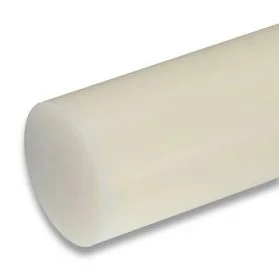
Natural MC Cast Nylon PA6 Rod & Semi-Finished Acetal Round Bars
Request Factory Quote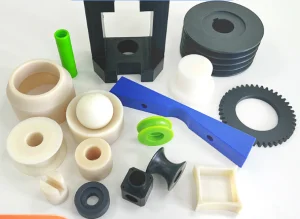
High Damping MC Nylon Wear Pad & Shock Absorbing Sliding Plate
Request Factory Quote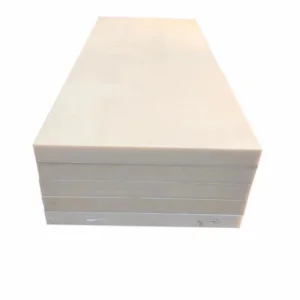
Heavy-Duty Compression Moulded Polymer Panels: PA6, HDPE & UHMWPE
Request Factory Quote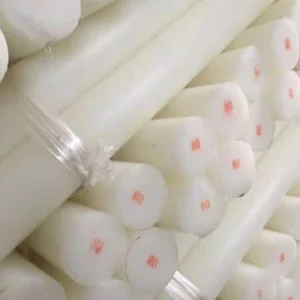
OEM Cast PA6 Nylon, POM, PP, PTFE & Rubber Extruded Industrial Rods
Request Factory Quote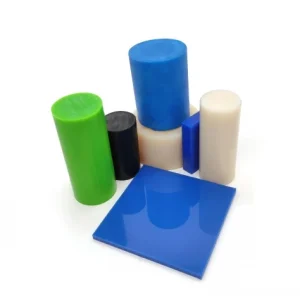
Extruded Wear-Resistant PA6/PA66 Structural Board & Elastic Nylon Rods
Request Factory Quote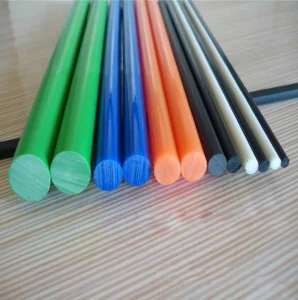
Precision Ground Cast MC Nylon Round Stock for Dynamic Bushing Lathes
Request Factory Quote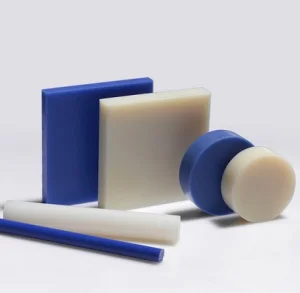
Engineered Polymer Stock Profiles: Nylon, PP, UHMWPE & Elastomer Rods
Request Factory Quote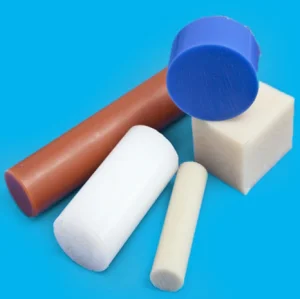
Precision Solid Turn-Stock Round Bars: PA6, UHMWPE, ABS & PU Rods
Request Factory Quote
Procurement & Engineering Intelligence
Frequently Asked Questions: Technical Sourcing Guidance
Everything procurement officers, tooling designers, and maintenance engineers need to know about rubber rod selection, tolerances, and supply agreements.
How do polyurethane (PU) rods differ from conventional vulcanized rubber rods?
Polyurethane rods bridge the mechanical gap between pure natural rubber and rigid plastics. While vulcanized natural or nitrile rubber rods offer outstanding rebound speed and resilience at lower Shore hardnesses (40A–70A), cast polyurethane rods deliver far higher load-bearing capacity, tear strength, and abrasive cut resistance in the 70A to 95A durometer range, making them superior for die punch springs and guide rollers.
Can elastomeric rubber rods and PU bars be machined with standard CNC equipment?
Yes, but standard metal-cutting feeds will distort softer elastomers. For durometers below 85 Shore A, cryo-machining, waterjet profile slicing, or high-speed grinding wheels are recommended. For rods above 90A durometer (such as hard PU or cast PA6), traditional CNC lathes with razor-sharp polished carbide tooling (positive rake angle) achieve tolerances within ±0.05mm without thermal melting.
What is the standard production lead time and MOQ for custom diameters?
Standard metric sizes (diameter 10mm to 300mm) in black, amber, or blue are regularly stocked with dispatch within 48 to 72 hours. For specialized compounds (custom durometer, fire-retardant UL94-V0 ratings, or food-contact FDA formulations), tooling and casting turnaround typically requires 7 to 12 working days, with low minimums starting from 100 kg per bespoke batch.
How does moisture absorption affect elastomeric and nylon rods over time?
Standard unvulcanized natural rubbers and cast polyether polyurethanes exhibit negligible water absorption (<0.2%), maintaining their dimensional envelope in submerged marine pumps. In contrast, standard Polyamide (Nylon PA6) absorbs up to 3% atmospheric moisture, expanding slightly while gaining impact elasticity. Our engineers evaluate whether your operating environment favors zero-swelling PU/POM or load-absorbing MC Nylon.