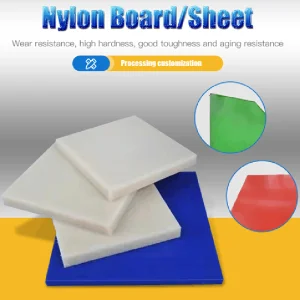
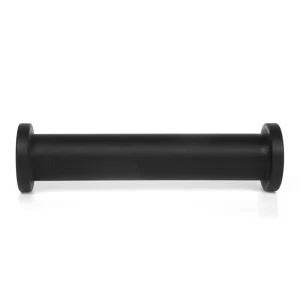
High-Performance Polymer & Fluid Handling Components
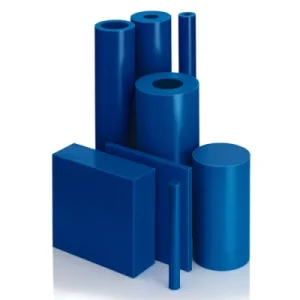
Direct supply from industrial fabrication facilities: High-density polymer structural stock, wear-resistant synthetic liners, and fluid transference components engineered to international dimensional standards.
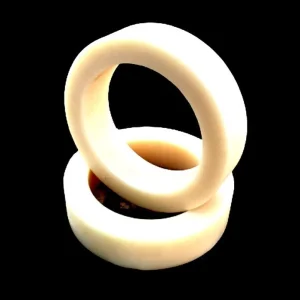
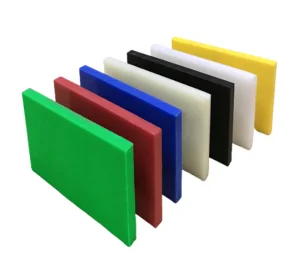

Evolution of Industrial Hose Systems & Polymer Architecture
In modern industrial operations, high-pressure rubber hoses and heavy engineering thermoplastics operate in tandem. Fluid transference demands absolute barrier integrity, chemical resistance, and non-catastrophic failure modes under extreme dynamic stress.
Total Cost of Ownership (TCO)
Global original equipment manufacturers (OEMs) are pivoting away from cheap baseline rubber elastomers toward co-extruded thermoplastic composites. Premium formulations reduce downtime caused by embrittlement, fluid contamination, and high-frequency impulse fatigue.
Severe Environmental Tolerance
Whether conveying hydraulic fluids in sub-zero mining extraction or chemical slurries in processing refineries, modern polymer liners (PTFE, UHMWPE, and cross-linked NBR) preserve mechanical elasticity and prevent chemical permeation across -40°C to +150°C spans.
Smart Integration & Telemetry
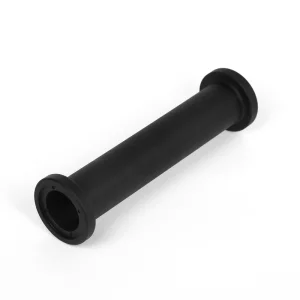
Next-generation hydraulic rubber hose systems now combine high-tensile braided wire or aramid yarn with exterior polyamide protective sleeves and RF/piezoelectric strain monitoring for real-time impulse fatigue lifecycle estimation.
Comparative Specification Framework for High-Pressure Media Transfer
Evaluating mechanical friction, tensile limits, chemical inertness, and elongation performance across industrial synthetic elastomers and technical thermoplastics.
| Material Category | Key Mechanical Strengths | Chemical & Thermal Resistance | Typical Industrial Deployment |
|---|---|---|---|
| Nitrile Butadiene Rubber (NBR) | Exceptional compression set resistance, high tensile strength, dynamic flexibility. | Resistant to petroleum-based oils, fuels, greases; operating temperature -35°C to 120°C. | High-pressure hydraulic hoses, automotive fuel lines, industrial oil suction and discharge. |
| EPDM Elastomer | Superior ozone, weather, and dynamic aging resistance; outstanding dielectric strength. | Inert against phosphate esters, steam, mild acids, and alkalis; rated -45°C to 150°C. | Cooling system conduits, low-pressure steam delivery, harsh outdoor fluid management. |
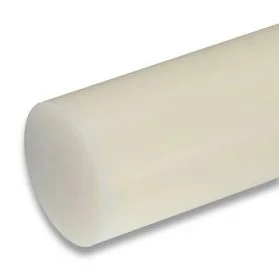
| Polyamide (Cast MC & PA66) | Extremely high load capacity, self-lubricating surface, structural rigidity. | Hydrocarbon and solvent impervious; dimensional expansion considered in humid environments. | Hydraulic hose guide sheaves, anti-wear spiral outer sleeves, bushings, industrial pulleys. |
| PTFE & UHMWPE Liners | Lowest coefficient of friction, zero chemical reactivity, anti-adhesion smooth bore. | Resistant to concentrated aggressive acids, high purity solvents; ratings up to 260°C (PTFE). | Corrosive chemical transfer hoses, pharmaceutical piping lines, high-purity slurry transfer. |
| Polyurethane (PU / TPU) | Unrivaled abrasion and tear resistance, high elasticity, vacuum collapse stability. | Moderate oil and non-polar hydrocarbon resistance; dynamic flex cracking resistance. | Abrasive material transfer hoses, pneumatic tubes, robotic dynamic cable & hose management. |
Macro-Industry Deployment: Tailored Fluid Transfer Architecture
Turnkey component and hose manufacturing solutions engineered for extreme operational environments.
Heavy Mining & Earthmoving Fleet
For high-pressure hydraulic circuits on excavators, crushers, and piling hammers, SHUNDA provides complete systems: wire-reinforced high-impulse rubber hoses coupled with impact-resistant MC nylon cushions and UHMWPE anti-friction outrigger pads to withstand cyclical dynamic stress.
Chemical & Petrochemical Processing
Aggressive acid, alkaline, and hydrocarbon transmission requires composite assemblies: synthetic inner core rubber lined with virgin fluoropolymer sheets and outer fire-resistant neoprene coverings, combined with precision CNC-machined POM and PTFE valves and flange adapters.
Infrastructure, Water & Sanitation
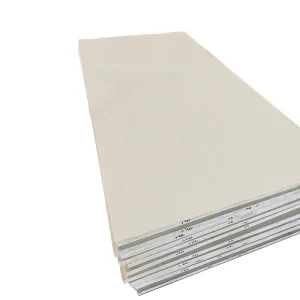
High-volume municipal water discharge and suction setups rely on weather-hardened EPDM synthetic rubber conduits backed by custom-fabricated GRP/FRP pressed panel water storage systems and chemical-resistant polypropylene (PP) components for zero contamination risk.
Strict Quality Compliance & Engineering Assurance Protocols
Eliminating supply chain failure through standardized metallurgical, polymer, and hydrostatic validation.
Hydrostatic Burst Testing
Every industrial hose design is batch validated up to 4:1 safety design factors against working pressure, verifying carcass braid cohesion and end-fitting retention integrity.
Material Traceability
Full raw material resin batch certificates (MTC) and spectral composition verification ensure continuous polymer molecular density without regrind contamination.
CNC Dimensional Precision
Coordination measuring machine (CMM) analysis of custom turned plastic couplings, bushings, and hose guide blocks ensures repeatable assembly clearances under ISO 2768 tolerances.
Export Seaworthy Packing
Reinforced double-wall corrugated containers, vacuum desiccant encapsulation, and fumigated timber pallets prevent transport moisture oxidation and mechanical deflection.
Procurement & Technical FAQ
Direct technical responses addressing engineering specifications, minimum order parameters, and logistics.
What parameters determine the selection of rubber hose vs engineered thermoplastic tubing?
Can SHUNDA manufacture custom assemblies integrating both rubber conduits and CNC plastic parts?
How does ambient ozone and UV exposure affect synthetic rubber life, and how is it mitigated?
What documentation and inspection reports accompany global shipments?
High-Density Polymers, Sheets & Composite Elastomer Solutions
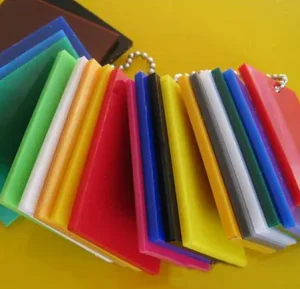
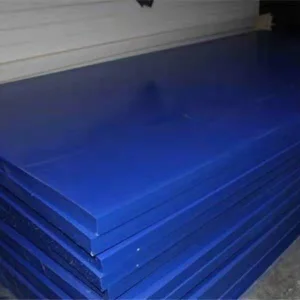
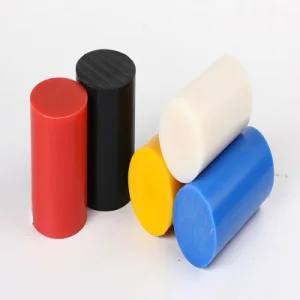
Heavy duty structural stock, ultra-high-molecular-weight sliding pads, and elastomeric industrial surfacing for mechanical manufacturing systems.