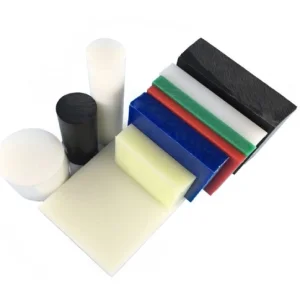
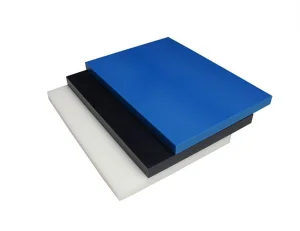
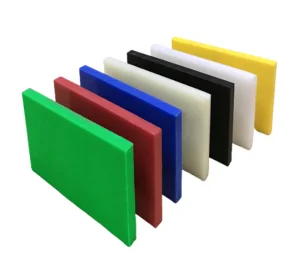
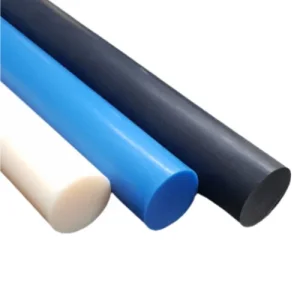
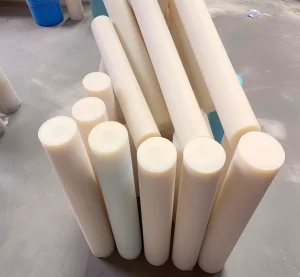
Precision Castor Hubs & Engineering Plastic Components
Direct supply of precision-milled polymers, high-impact nylon cores, and ultra-wear polyurethane/rubber matrices engineered for industrial transport and mobility platforms.
The Global Rubber Castor & Industrial Wheel Ecosystem
A comprehensive examination of mechanical dynamics, elastomeric compounding, supply chain realignments, and total cost of ownership (TCO) in smart manufacturing.
In modern high-throughput material handling, autonomous mobile robotics (AMRs), automotive assembly skids, and cleanroom biomedical manufacturing, the industrial rubber castor serves as the critical mechanical interface between dynamic payload inertia and architectural floor integrity. Globally, procurement directors are pivoting away from generic hardware-store casters toward scientifically formulated elastomeric wheels bonded chemically and mechanically to precision-engineered monomer casting (MC) nylon or polyoxymethylene (POM) cores.
Industrial castor systems engineered with solid vulcanized natural rubber (NR), styrene-butadiene rubber (SBR), nitrile-butadiene rubber (NBR), or high-modulus thermoplastic elastomers (TPE) deliver unmatched operational characteristics. Unlike rigid cast iron or phenolic wheels, rubber castors offer exceptional elastic deformation under localized dynamic impact. This provides continuous kinetic energy dissipation, protecting sensitive electronic payloads and fragile assemblies while minimizing acoustic levels below strict OSHA 85 dBA workplace thresholds.
"Procuring industrial rubber castors is no longer a simple purchasing transaction of wheel diameter and mounting plate geometry. It is an engineering optimization problem balancing tractive rolling resistance, durometer hysteresis, vulcanization peel adhesion, and lateral shear resilience under multi-axis automated transit."
Furthermore, floor protection has evolved into a multi-million-dollar operational consideration. Epoxy quartz, polished micro-cement, and anti-static resinous coatings in contemporary gigafactories and aerospace hangars suffer irreversible fracturing when subjected to hard wheels under repetitive 2,000 kg gross axle weights. Chemically non-marking synthetic rubber compounds, formulated without sulfur bloom or carbon black leaching, guarantee non-staining surface contact while preserving tactile grip across greasy, humid, or washdown floor matrices.
Dynamic Dynamic Load & Deflection
Advanced elastomeric profiles deliver progressive deflection curves. Controlled shore hardness (65 Shore A to 85 Shore A) dissipates peak shock forces by up to 40% during transition across industrial thresholds, floor joints, and rail tracks.
Electrostatic Static Discharge (ESD)
Infused with conductive carbon nanotube networks or conductive ionic polymers, our specialized ESD rubber castor wheels maintain consistent volume electrical resistivity between 104 and 106 Ω, preventing fatal static buildup in cleanrooms.
Thermoplastic Hybrid Core Integration
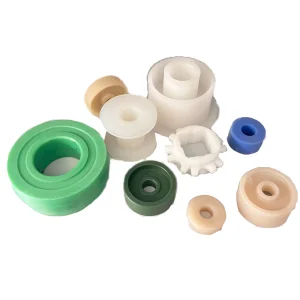
By pairing resilient vulcanized rubber treads with CNC-machined Cast Polyamide (MC PA6) and UHMWPE inner wheel hubs, wheel assemblies achieve significant deadweight reduction without sacrificing high mechanical load carrying capacity.
Chinese Manufacturing Efficiency & Polymer Supply Integration
How vertically unified monomer casting, automated rubber vulcanization, and robotic CNC turning hubs create unprecedented competitive advantages for international OEMs.
The global sourcing paradigm for heavy-duty mobility products has transitioned definitively toward integrated industrial clusters. Located in the engineering manufacturing corridor of Hebei, China, SHUNDA represents the apex of this vertical consolidation. Unlike Western re-packagers or assembly-only distributors who procure raw rubber tires from Southeast Asia, stampings from third-party presses, and bearings from overseas distributors, Chinese factory-direct operations integrate monomer polymerization, vulcanization mold design, precision tooling, and finished castor assembly under one single roof.
This closed-loop manufacturing architecture yields distinct operational efficiencies:
Raw Polymer Synthesis
Direct liquid monomer casting (MC Nylon PA6) and customized rubber mastication ensuring chemical batch uniformity and structural purity without recycled fillers.
Molecular Vulcanization
High-pressure multi-cavity hydraulic presses with proprietary silane coupling agents that chemically weld the elastomeric tread to the high-tensile polymer or steel hub.
High-Speed CNC Milling
Multi-axis turning centers machining bearing housings with H7 clearance fits, accommodating double sealed deep groove ball bearings (6204-2RS/6002-ZZ).
Automated Dynamic QC
100% rigorous testing: radial runout inspection, continuous dynamic drum rolling under 120% rated overload, thermal hysteresis tracking, and destructive peel tests.
By leveraging proprietary continuous polymerization techniques and automated stamping presses producing heavy-gauge 6mm to 10mm cold-rolled steel castor brackets, factory lead times contract from the traditional 14–18 weeks typical of European manufacturers down to 15–20 business days. Furthermore, customized mold tooling for non-standard wheel dimensions, grooved V-treads for inverted angle iron tracks, or customized directional kingpinless swivel rings can be designed, prototyped via 3D finite element analysis (FEA), and put into production tooling in under 12 days.
Localized Heavy-Duty Application Scenarios
Optimized compounding formulations engineered to excel under extreme operational environments, aggressive chemical exposure, and dynamic physical stress.
Automated Guided Vehicles (AGV) & AMRs
Modern automated fulfillment centers demand castor wheels operating 24/7 with zero flat-spotting. Our high-rebound polyurethane-rubber blends with cast nylon wheel centers feature continuous dynamic roll resistance of μ ≤ 0.012, reducing motor drive battery drain by up to 22% on lithium-powered AGVs.
Aerospace Assembly & Ground Support
Handling jet engine maintenance cradles and carbon-composite fuselage fixtures requires massive stability and absolute shock absorption. Spring-loaded dual-wheel rubber casters absorb violent towing vibrations across tarmac expansion joints while isolating sub-micron calibrated tooling.
Heavy Machinery & Foundries
For high-load towline trailers transporting metal billets and stamping dies, cast iron wheels cause unbearable screeching and rail wear. Heavy-duty vulcanized elastic rubber on forged steel wheel hubs cushions 3,500 kg loads while resisting hot metal swarf embedding into the tread surface.
Food Processing & Chemical Washdown
Subjected daily to caustic foam cleaners, sodium hydroxide sprays, and high-pressure steam sanitization. Engineered with white non-marking synthetic EPDM rubber bonded onto POM/Polypropylene waterproof centers and 304/316 grade stainless steel swivel brackets with sealed raceways.
Semiconductor Cleanrooms & Electronics
Class 10 cleanroom certified castors utilize non-outgassing vulcanized synthetic elastomer treads with permanent volume conductivity (≤ 105 Ω). They eliminate triboelectric voltage spikes that permanently destroy sensitive microchip wafers during cart transit.
Medical Diagnostics & Mobile Surgery
Mobile MRI suites, laser surgery rigs, and anesthesia delivery carts demand whisper-quiet decibel levels (< 42 dBA) and instant directional maneuvering. Integrated twin-wheel synthetic rubber casters with precision central braking systems ensure safety and effortless nursing ergonomics.
Comparative Wheel Performance & Material Tribology
An empirical comparative breakdown of tread compositions, core hubs, mechanical properties, and environmental tolerances for global engineering specification.
| Polymer / Elastomer System | Hardness (Shore) | Dynamic Load Cap. (kg) | Rolling Resistance (μ) | Floor Protection | Temperature Range (°C) | Recommended Core Hub |
|---|---|---|---|---|---|---|
| Vulcanized Elastic Natural Rubber | 68 ± 3 Shore A | 150 – 850 kg | 0.016 – 0.022 | Superb (Zero Scuff) | -30°C to +80°C | Cast PA6 / Stamped Steel |
| High-Modulus Thermoplastic Rubber (TPR) | 75 ± 4 Shore A | 120 – 600 kg | 0.018 – 0.025 | Exceptional (Non-Marking) | -20°C to +70°C | Polypropylene (PP) / POM |
| Conductive ESD Synthetic Rubber | 78 ± 3 Shore A | 180 – 750 kg | 0.015 – 0.020 | Excellent (<106 Ω) | -25°C to +85°C | Cast Iron / Precision PA6 |
| Cast Polyurethane Elastomer (CPU) | 92 ± 2 Shore A | 350 – 2,200 kg | 0.010 – 0.014 | High (Clean Epoxy) | -20°C to +85°C | Cast Nylon (MC) / Forged Steel |
| Heavy-Duty Solid SBR Black Rubber | 82 ± 3 Shore A | 250 – 1,200 kg | 0.022 – 0.028 | Moderate (Industrial Concrete) | -35°C to +90°C | Welded Steel / PA66 |
| High-Temperature Silicone/EPDM Rubber | 72 ± 4 Shore A | 100 – 450 kg | 0.024 – 0.032 | Outstanding (Autoclaves) | -40°C to +250°C | 304 Stainless / PTFE Hub |
When selecting the optimal wheel and castor package, engineers must calculate the Dynamic Safety Factor (SF):
Total Load = (Payload + Equipment Tare) ÷ 3 (Accounting for Uneven Floors where 1 Wheel Temporarily Loses Traction).
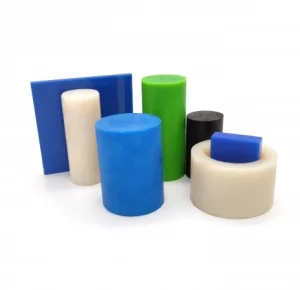
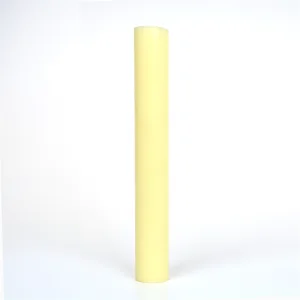
By leveraging SHUNDA's precision-extruded PA6 rods and MC Nylon billets for custom hub machining, the rotational inertia is lowered by up to 55% compared to traditional cast-iron cores, substantially mitigating initial push-pull force requirements and human operator repetitive strain injuries (RSI).
Future Global Procurement Trends in Wheel Engineering
From smart sensor telemetry to bio-based synthetic polyols, discover how industrial mobility is being revolutionized by automation and sustainability mandates.
Smart IoT Telemetry Wheels
The integration of sub-miniature RFID sensors and piezoelectric thermal monitors embedded directly inside the nylon hub core. Operators receive real-time predictive maintenance alerts regarding bearing fatigue, thermal runaway, and dynamic mileage milestones.
Eco-Circular Elastomer Polyols
Global corporate ESG requirements are compelling tier-1 automotive suppliers to demand PCR (Post-Consumer Recycled) polymer cores and bio-derived natural rubber vulcanizates with a minimum 40% reduced carbon footprint over the product lifecycle without losing tensile strength.
Omnidirectional Mecanum & Kingpinless Casters
Eliminating conventional swivel kingpins in favor of forged, induction-hardened continuous raceways and high-torque rubber-coated rollers for multi-vector AMR steering capabilities within constrained factory warehouse aisles.
Scale Your Industrial Castor Supply Chain Today
Collaborate with SHUNDA's polymer engineers and CNC production specialists to receive tailored CAD drawings, FEA load simulations, and factory-direct volume pricing within 12 hours.
Frequently Asked Questions: Global Industrial Sourcing
Authoritative technical guidance compiled by SHUNDA polymer scientists and mechanical engineers for international procurement teams.
What are the key technical differences between natural rubber and synthetic rubber (SBR/NBR) castor treads?
Natural Rubber (NR): Delivers the highest tear resistance, maximum rebound resilience (up to 70%), and the lowest heat generation during continuous manual or low-speed towing. It is ideal for quiet manual carts and rough outdoor terrain. However, NR displays moderate resistance to hydrocarbon solvents, synthetic oils, and UV ozone.
Synthetic Rubber (SBR / NBR / EPDM): SBR offers superior abrasion resistance and cost efficiency for standard indoor transport. Nitrile-Butadiene (NBR) delivers outstanding resistance to petroleum oils, greases, hydraulic fluids, and diesel fuels, making it essential for automotive machining floors. EPDM excels in extreme weather, UV exposure, and steam washdown facilities.
Why choose a Cast Nylon (MC PA6) wheel core over a traditional cast iron core for heavy-duty casters?
Cast Nylon (MC PA6) exhibits an exceptional strength-to-weight ratio: it is approximately 1/7th the weight of cast iron while sustaining equivalent static and dynamic load pressures up to 120 MPa. A lighter wheel hub dramatically diminishes rotational inertia, making human-pushed carts significantly easier to start and stop. Furthermore, MC Nylon cores are 100% rustproof, will not spark upon impact (ATEX compliant), and offer intrinsic mechanical vibration dampening that extends the lifespan of internal ball bearings.
How do you prevent tread delamination between the rubber tire and the plastic wheel hub under high loads?
Tread debonding is the most frequent failure point in substandard casters. At SHUNDA, we implement a dual-locking mechanism: First, the CNC-machined wheel hub (PA6, POM, or steel) is precision-turned with circumferential dovetail interlocking grooves. Second, the hub undergoes plasma surface activation followed by the application of advanced thermosetting bonding primers (such as Chemlok or silane coupling agents). During high-pressure heated vulcanization, the rubber cross-links directly with the primer layer, producing a bond strength exceeding the cohesive tear strength of the rubber itself (>15 N/mm).
What bearing configuration is recommended for motorized AGV towing applications?
For automated AGVs operating at speeds between 4 km/h and 10 km/h, plain sleeve bushings and roller bearings generate excessive heat and rotational resistance. We mandate precision double deep groove ball bearings (e.g., 6204-2RS, 6005-ZZ) or tapered roller bearings fitted into CNC-machined bearing seats with H7 tolerances. The bearings are packed with synthetic low-temperature lithium synthetic grease, sealed with dual contact NBR lip seals, and separated by an internal precision-ground axle spacer tube to prevent side-load clamping distortion during axle nut torquing.
Can SHUNDA manufacture custom-dimensioned castor wheels according to 2D/3D technical drawings?
Yes. Our in-house engineering facility accepts native CAD files (STEP, IGES, DXF, DWG, and SolidWorks). We handle everything from custom tread profiles (crown radii, V-grooves, dual treads), non-standard bore diameters, integrated keyways, and special bracket top-plate bolt hole patterns to specialized chemical compounds with custom Shore A hardness and brand-specific color requirements.
What quality assurance certifications and testing protocols validate your products for export to Europe and North America?
All raw engineering plastics and finished castor assemblies comply fully with RoHS Directive 2011/65/EU and REACH (EC 1907/2006) regulations, free of SVHCs (Substances of Very High Concern) and toxic plasticizers (PAHs/Phthalates). Physical performance conforms to international castor testing standards EN 12532 (Industrial Castors) and ISO 22883/22884. In-house testing certificates include dynamic drum endurance tests, static compressive yield tests, dynamic impact drop tests, and conductivity verification for ESD orders.
Industrial Rollers, Sheets & High-Performance Plastics
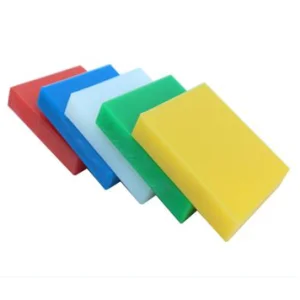
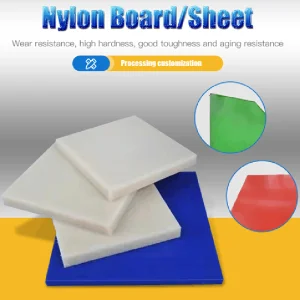
Expand your procurement efficiency by consolidating high-impact polymer sheets, extruded industrial rods, precision machined wear parts, and heavy-duty conveyor rollers.