
Certified Engineering Plastic Blocks & Pre-Cut Stock
Factory-direct high-density polymer stock, stabilizer pads, and dimensional blanks manufactured under ISO 9001 quality management guidelines for heavy industrial fabrication.
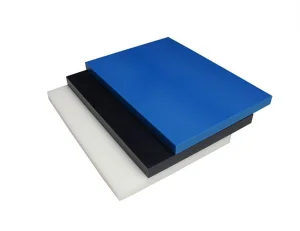
Cheap China Engineering Plastic PA6 Polyamide Nylon UHMWPE PTFE HDPE PP Plastic Sheet Board Plate Tube Rod And Bar Customized Color With Size Manufacturers, Supplier
Explore Specs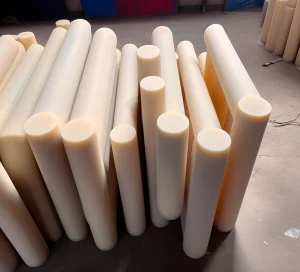
High-Quality MC Nylon Rod Manufacturer, Exporter
Explore Specs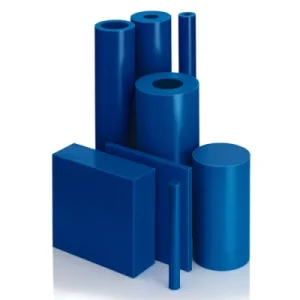
Discount Hot Sale for UHMWPE Heavy Duty Jacking Pads Crane Foot Support Plate Plastic Stabilizer Pad Manufacturer, Companies
Explore Specs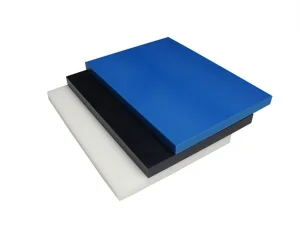
Wholesale Natural Nylon Plate/Sheet, Black Nylon Plate/Sheet, Blue Nylon Plate/Sheet Exporter, Product
Explore Specs
Buy PP Rod ,ABS Rod,Nylon Rod Bar, PTFE Rod,Plastic Rod, All Kinds Of Plastic Products Factories, Exporter
Explore Specs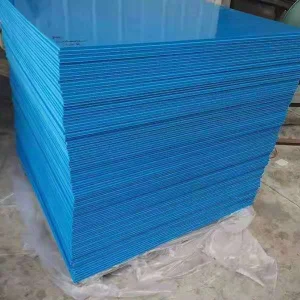
China Blue MC Nylon Sheet Manufacturers, Companies
Explore Specs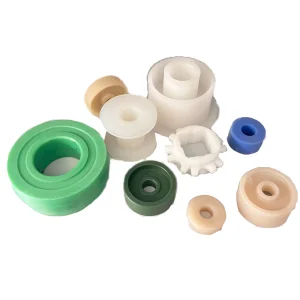
China CNC Machined Parts Exporters, Product
Explore Specs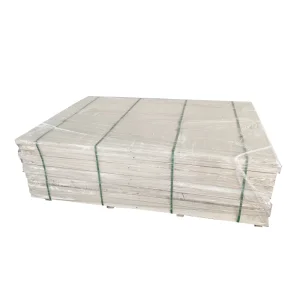
High-Quality China Engineering Plastic Polyamide PA6 PA66 Nylon PP UHMWPE PTFE HDPE ABS Plastic Sheet Tube Rod And Bar Customized Color With Size Suppliers, Factory
Explore SpecsEngineering Plastic Block Manufacturing & Export Ecology
Addressing the rigorous mechanical, environmental, and dimensional criteria expected by Tier-1 OEM integrators and global fabrication networks.
Internal Stress Relief & Annealing
Industrial plastic blocks frequently succumb to warping during high-speed CNC milling. Our state-of-the-art multi-stage liquid oil and convective heating annealing tanks completely neutralize internal crystallization stresses, ensuring tight run-out tolerances post-machining.
Polymer Density Homogeneity
Using ultra-high tonnage hydraulic compression presses up to 2,500 metric tons for UHMW-PE and monomer casting technology for MC Nylon guarantees complete absence of micro-voids, porosity, and gas inclusions across cross-sections exceeding 300mm.
Rigorous Traceability & QA
Every batch shipped adheres strictly to EN 10204 Type 3.1 inspection protocols. Comprehensive testing encompasses melt flow index (MFI), Shore D hardness, ultimate tensile strength, dielectric properties, and notched Charpy impact validation.
Engineering Plastic Block Selection Matrix
A comparative evaluation of high-performance polymer blocks designed to guide mechanical designers, maintenance directors, and procurement specialists.
| Polymer Class | Specific Density (g/cm³) | Service Temp (°C) | Compressive Yield (MPa) | Tribological Characteristic | Industry Standard Compliance |
|---|---|---|---|---|---|
| Cast PA6 (MC Nylon) | 1.15 - 1.16 | -40 to +110 | 85 - 105 | High mechanical load damping; low dry friction | RoHS / REACH |
| UHMW-PE (Virgin 9M MW) | 0.93 - 0.94 | -200 to +80 | 22 - 30 | Ultra-low wear rate; near-zero coefficient (μ=0.10) | FDA / USDA Compliant |
| POM-C (Polyacetal Copolymer) | 1.41 - 1.42 | -50 to +100 | 70 - 90 | Zero stick-slip; outstanding dimensional stability | EU 10/2011 |
| High-Density PE (HDPE 500/300) | 0.95 - 0.96 | -50 to +80 | 25 - 35 | High impact absorption; zero moisture absorption | ISO 9001 / CE |
| Virgin & Modified PTFE | 2.15 - 2.20 | -200 to +260 | 12 - 18 | Universal chemical inertness; lowest dynamic friction | UL 94 V-0 |
Technical Deep Dive: The Critical Choice Between UHMW-PE and Cast Nylon for Structural Blocks
When engineering outrigger stabilizer blocks, sliding bearing saddles, or chain deflection blocks, mechanical engineers commonly weigh UHMW-PE against MC Cast Nylon. While UHMW-PE offers unrivaled sliding lubricity and cryogenic shatter-resistance, Cast Nylon PA6 exhibits an yield compression threshold up to 400% higher. Consequently, heavy static and structural hoisting points must utilize thick-section Cast Nylon or high-load cross-linked UHMW-PE composite formulations to prevent localized plastic deformation.
China Manufacturing Powerhouse & Global Compliance
Mitigating international supply chain disruption via full raw material integration, export trade finance security, and proactive compliance architecture.
Direct Vertical Integration
Located in Xinhe County, Hebei Province, our facilities maintain direct backward integration into primary caprolactam monomer and polymerization facilities, hedging raw polymer price volatility and providing guaranteed lead times even during seasonal peaks.
Comprehensive Export Documentation
We provide verified Certificate of Origin (Form A, Form E, CO, RCEP), full RoHS/REACH SVHC declarations, third-party SGS/TUV chemical spectrum validation reports, and pre-cleared custom clearance declarations for seamless customs entry worldwide.
Localized Field Engineering
Partnering with designated technical distributors across Europe, North America, Southeast Asia, and the Middle East, we provide localized reverse engineering, CMM dimensional verification, and rapid-dispatch consignment warehouse capabilities.
Industrial Outrigger Pads, Machined Billets & Sheet Stock
Fully customizable structural polymer blocks, solid round billets, and wear-resistant sheets tailored for mining, marine, and construction equipment.
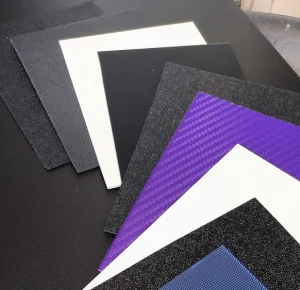
Buy China Engineering Plastic OEM Smooth Texture ABS Plastic Sheet Factory Customized Color With Size Factories, Companies
Explore Specs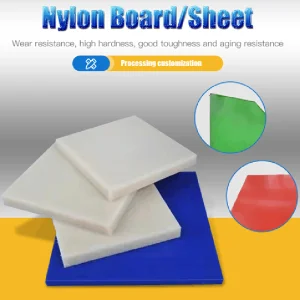
Famous Online Exporter China SBR Nitrile Insertion Cloth Nylon Rubber Mat Flooring Sheet Suppliers, Exporter
Explore Specs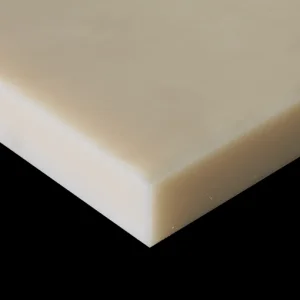
Cheap Natural MC Nylon Sheet Factories, Exporters
Explore Specs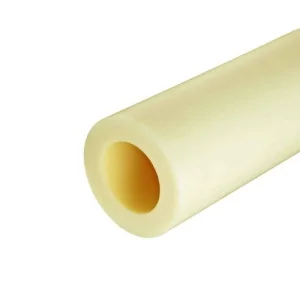
High-Quality Nylon Rod ,Nylon Tube,PP Tube,ABS Tube, Plastic Tube,PP Rod Supplier, Factory
Explore Specs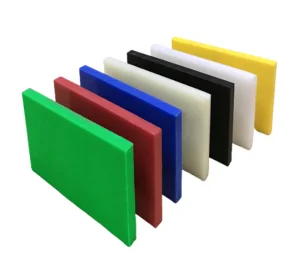
Cheap China Engineering Plastic polyamide PA6 PA66 Nylon PP UHMWPE PTFE HDPE ABS plastic Sheet Companies, Products
Explore Specs
Buy Trending Products China High Quality PP Rod, Polypropylene Rod, Plastic Rod With White, Grey, Green Color etc. Manufacturers, Suppliers
Explore Specs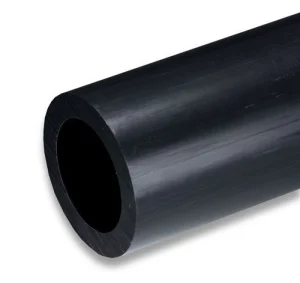
Discount POM Tube Black POM Tube, White POM Tube, POM Pipe, POM Plastic Tube Pipe Exporters, Product
Explore Specs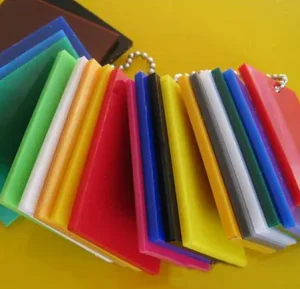
Famous China Supplier Bigfoot Solid Plastic Blocks Customized HDPE Safety Crane Outrigger Pads Companies, Product
Explore SpecsStrategic Engineering Scenarios Driving Global Demand
How next-generation plastic blocks are replacing carbon steels, cast iron, and exotic alloys across the modern heavy engineering spectrum.
Heavy Mobile Crane Stabilization
Customized HDPE and UHMW-PE 'Bigfoot' outrigger blocks dissipate ground bearing pressure under rough terrain cranes, concrete pumps, and aerial platforms, fully mitigating catastrophic soil puncture without the rotting, splintering, or high tare weight of timber.
Subsea Mooring & Offshore Guides
Water absorption in underwater sheaves and offshore slide blocks causes thermal and volumetric expansion. Oil-filled MC Cast Nylon blocks maintain exact mechanical clearances while totally defying saline oxidation and barnacle growth.
Semiconductor Wet Benches & Chemical Vats
High-purity homopolymer Polypropylene (PPH) and PTFE machined manifold blocks resist ultra-aggressive hydrofluoric and nitric pickling acids without leaching metallic ions or organic volatile contaminants into sensitive process loops.
Circularity & Green Polymer Engineering
With the advent of the EU Carbon Border Adjustment Mechanism (CBAM) and ISO 14067 life-cycle greenhouse gas reporting, we provide certified virgin polymers alongside closed-loop recycled regrind blocks exhibiting verified, documented mechanical performance.
Frequently Asked Technical & Sourcing Questions
Clear answers provided by senior application engineers addressing polymer characteristics, machining, international shipping, and volume pricing.
What are the key manufacturing methods used for thick-section engineering plastic blocks?
Thick-section plastic blocks are predominantly produced via two fundamental processes: Atmospheric Liquid Monomer Casting (standard for PA6 MC Nylon) and Ultra-High Tonnage Sinter Compression Molding (standard for UHMW-PE and high-molecular PTFE). Monomer casting allows polymerization directly inside open or closed steel molds without pressure, completely preventing vacuum voids up to cross-sections of 800mm. Compression molding uses high-tonnage multi-platen hydraulic presses at elevated temperatures followed by slow, controlled hydraulic cool-down ramps to eliminate thermal sink marks.
How does moisture absorption affect dimensional stability in nylon blocks versus POM or UHMWPE?
Standard Polyamide 6 (PA6) contains polar amide groups that naturally absorb ambient moisture from 2.5% to saturation levels around 6-7% by weight, resulting in volumetric expansion (linear growth of approximately 0.2% per 1% moisture absorption). If your application requires high-precision tolerances (±0.02mm) in submerged or variable humidity conditions, POM-C (Polyacetal, 0.2% saturation) or UHMW-PE (hydrophobic, <0.01% absorption) should be selected instead of unfilled nylon.
What CNC machining parameters are recommended to avoid localized melting and chatter on heavy polymer blocks?
Engineered plastics possess low thermal conductivity and low melting temperatures relative to metals. High-speed steel (HSS) or polished single-flute solid carbide tooling with positive rake angles (10° to 15°) and generous relief angles (15° to 20°) must be employed. Machinists should favor high chip loads (high feed per revolution) combined with moderate surface cutting speeds (150-350 m/min) to expel heat via chip removal rather than transferring thermal buildup into the parent billet. Pressurized vortex cold air guns or water-soluble, non-staining coolants are strongly recommended.
How do you guarantee that exported UHMW-PE crane foot stabilizer pads will not crack under extreme sub-zero conditions?
Our heavy-duty crane outrigger pads and Bigfoot solid plastic blocks are formulated using ultra-high molecular weight polyethylene boasting molecular chains ranging from 5.0 to 9.2 million g/mol (ISO 16790 validated). Because the ultra-long polymer chains exhibit zero glass transition embrittlement down to -200°C, they achieve Charpy notched impact values exceeding 140 kJ/m² with no break. Every batch ships with certified low-temperature drop-weight and Izod impact test certificates verifying crack immunity under severe polar operations.
What are the typical sea-freight packing protocols to protect pre-machined blocks from surface abrasion and bowing?
Export packaging complies rigorously with ISPM 15 phytosanitary wood packaging regulations. Blocks are interleaved with non-reactive PE protective films to eliminate friction scuffing, banded using high-tensile polyester strapping, and wrapped within vapor-barrier stretch film containing industrial desiccant bags. For machined items with critical O-ring grooves or fine tolerances, custom closed-cell EPE foam cradles and reinforced plywood cases are deployed to prevent transit warping or container-induced mechanical stress.