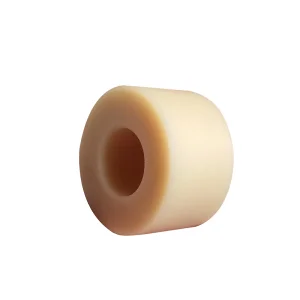
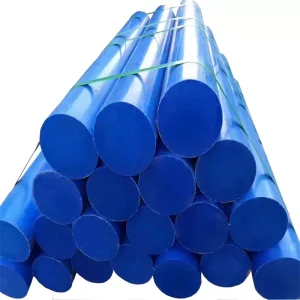
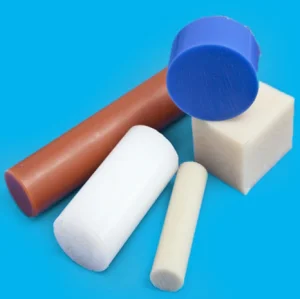
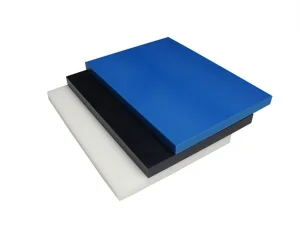
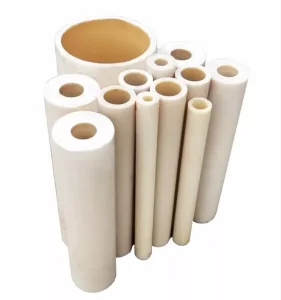
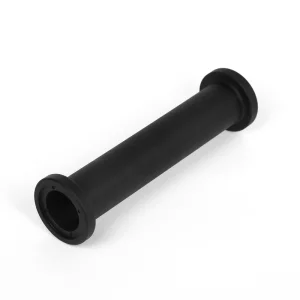
Primary Engineering Stock & Calibrated Profiles
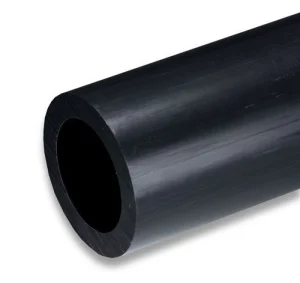
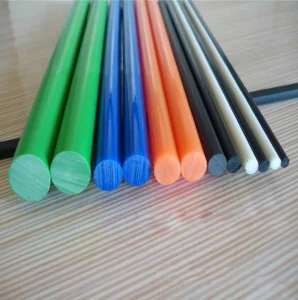
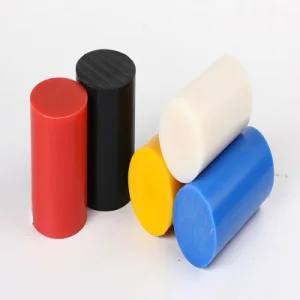
Explore direct factory inventory across natural polyamide, ultra-dense polyoxymethylene, and cast nylon semi-finished structural shapes. Precision-extruded for high thermal stability and predictable chip formation.
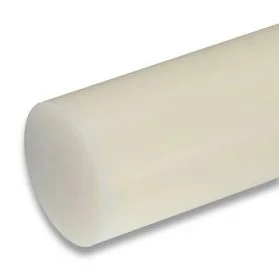
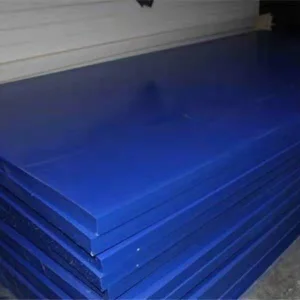
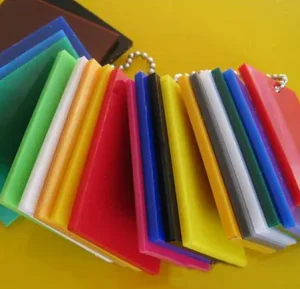
Global Engineering Polymer Panels: Industrial State of Play
Thermoplastic panels, dense structural sheets, and modular GRP enclosures represent an indispensable segment of the global capital goods supply chain, supplanting traditional non-ferrous metals across demanding operating environments.
Aggressive Metal Replacement
Global procurement teams in automotive, chemical, and heavy machinery are systematically transitioning from bronze, cast iron, and stainless steel to specialized cast polyamide (PA6G), UHMWPE, and polyoxymethylene (POM). The core drivers include 70% weight reduction, internal tribological lubricity, zero galvanic oxidation, and exceptional acoustic damping.
Severe Environment Resilience
Modern process installations operate under high humidity, abrasive slurry flows, and caustic washdown cycles. Semi-finished sheets and calibrated profiles made from ultra-high-molecular-weight polyethylene and polytetrafluoroethylene (PTFE) offer absolute resistance to strong acids, alkaline cleaning formulations, and catastrophic stress fracture.
Direct-to-Fabrication Logistics
Global original equipment manufacturers (OEMs) demand direct factory relationships with vertically integrated converters. By combining in-house resin casting, stress-relief annealing chambers, and 5-axis CNC multi-axis milling, SHUNDA eliminates distribution markups and guarantees rigorous molecular density uniformity.
Engineering Polymer Performance & Operational Matrix
Optimizing mechanical survival depends on matching tensile elasticity, frictional coefficient, and continuous service temperatures to plant operating parameters. Consult our metallurgical-equivalent thermoplastic data.
| Polymer Class | Yield Strength & Elasticity | Dynamic Friction & Wear Profile | Operating Thermal Range | Primary Industrial Use Case |
|---|---|---|---|---|
| Cast PA6 / MC Nylon Monomer Cast Polyamide |
85 - 110 MPa Tensile Modulus: ~3400 MPa |
0.15 - 0.28 dynamic; Extreme resilience against abrasive grit |
-40°C to +110°C continuous | Wire rope sheaves, overhead crane track rollers, pile driver caps, massive wear slides. |
| POM-C / Acetal Polyoxymethylene Copolymer |
65 - 75 MPa Zero moisture swelling (<0.2%) |
0.20 - 0.25 dynamic; Ultra-smooth stick-slip elimination |
-50°C to +105°C continuous | Precision fluid meters, fuel handling manifolds, food gear wheels, tight-tolerance valves. |
| UHMWPE 1000 Molecular Wt: 3.5 - 9.2M g/mol |
22 - 38 MPa Infinite unnotched Charpy impact |
0.10 - 0.15 dynamic; World-class dry glide properties |
-200°C to +80°C continuous | Harbor dock fender facings, raw coal hopper liners, cryogenic chain guides, bulk solids chutes. |
| HDPE 300 / 500 High-Density Polyethylene |
25 - 32 MPa Superior ductile elongation |
0.22 - 0.28 dynamic; Impermeable moisture barrier |
-50°C to +80°C continuous | Hydraulic outrigger crane pads, marine sanitation barrier walls, cutting pads, chemical reservoirs. |
| PTFE & PEEK High-Performance Fluoropolymers |
25 - 120 MPa Extreme chemical inertness |
0.04 - 0.12 dynamic; Lowest friction solids known |
-200°C to +260°C continuous | Semiconductor etch chamber guides, aircraft hydraulic backups, downhole oilwell seals. |
Macro Engineered Solutions Across Core Industrial Sectors
From structural foundation components in construction machinery to ultra-clean sterile food handling, our semi-finished panels and machined geometries resolve severe uptime bottlenecks.
Heavy Construction & Mobile Cranes
Outrigger safety pads machined from solid high-density polymer matrices evenly distribute point loads exceeding 100 metric tons onto soft substrate soils. Unlike laminated timber or welded steel alternatives, our cast blocks never splinter, absorb stormwater, or corrode from exposure to asphalt and mud.
Automated Bottling & Food Conveyance
Polyoxymethylene (POM) hollow bars, stars, and guide rails eliminate the requirement for liquid hydrocarbon lubricants on bottling lines. Fully compliant with rigorous hygiene regimes, these profiles sustain continuous high-speed bottle impact without fatigue micro-cracking.
Mining, Chutes & Bulk Material Flow
UHMWPE anti-stick panels line open conveyor transfer points, drop bins, and coal discharge hoppers. Their self-lubricating surface properties ensure that sticky clay, wet coal fines, and mineral concentrates discharge smoothly without arching, bridging, or costly plant interruptions.
Corrosion-Immune Chemical Processing
Polypropylene (PP) and dense fluoropolymer plates fabricated into plating tanks, pickling line covers, and scrubbers maintain absolute structural integrity under continuous exposure to 60% hydrochloric acid solutions and aggressive chlor-alkali vapors at elevated temperatures.
Port Marine & Offshore Berthing
Large-format cast nylon and UHMWPE face pads bolted to commercial quay fenders protect maritime hulls against catastrophic berthing abrasions. Low surface tension resists marine organic fouling while cushioning multi-meganewton berthing impacts.
Modular Municipal Infrastructure
Fiberglass Reinforced Plastics (GRP/FRP) pressed modular panels configure high-capacity potable water reservoirs and emergency firefighting cisterns. These modular bolt-together systems are certified non-toxic, watertight, and fully resistant to ultraviolet radiation degradation.
Next-Generation Thermoplastic Roadmap & AI Metrology
Investing in thermal crystallization controls, advanced nano-fillers, and automated inline dimensional validation to secure superior tolerances and extended mechanical lifespans.
Continuous Annealing Cycles
Implementation of computer-regulated, multi-stage temperature annealing cycles designed to fully neutralize residual internal stresses generated during large-diameter extrusion and heavy-section monomer casting, ensuring zero deflection during fast CNC milling.
Solid Lubricant & Fiber Reinforcements
Expanding the production of proprietary compound matrices combining virgin PA6 and POM resins with micro-molybdenum disulfide (MoS2), PTFE micropowders, and woven ceramic glass fibers to triple load-bearing capabilities under high surface PV factors.
Optical & Ultrasonic Inline Inspection
Deploying automated multi-axis ultrasonic void detection and laser micrometer arrays across our extrusion channels, validating zero internal porosity and strict wall-thickness uniformity before stock profiles proceed to warehouse staging.
Frequently Asked Questions for Engineering Buyers
Clear, definitive technical clarifications addressing stock certification, custom CNC capabilities, and overseas shipment integrity.
What polymers are covered in SHUNDA's direct manufacturing program?
Can SHUNDA fabricate precision machined parts directly from CAD files?
When should an engineer specify POM (Acetal) instead of Cast Nylon?
How does SHUNDA protect heavy plastic panels and round bars during export transit?
Where is the production base, and what is the typical inquiry turnaround time?
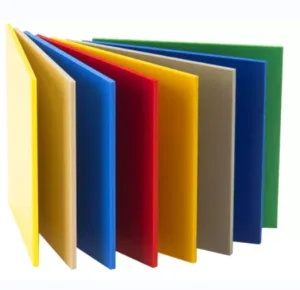
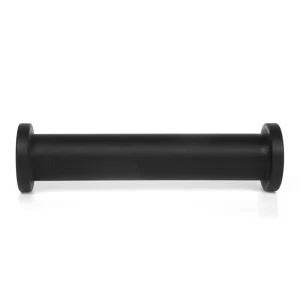
Structural Tubing, Heavy Plates & Rotational Rollers
Reliable industrial semi-finished shapes engineered for rapid CNC machining. Stocked across multiple standardized diameters and thickness grades with custom color options available upon request.