
Featured Industrial Nylon Tubing & Heavy-Duty Components
Engineered semi-finished hollow stock and custom machined assemblies manufactured from cast and extruded polyamides (PA6, PA66, MC Nylon).
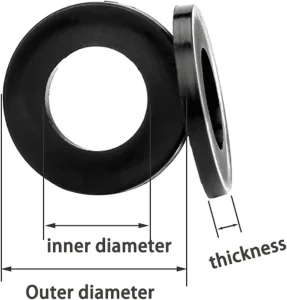
Famous Black Color Nylon Ring Cushion Use For Impact Hammer For Piling Machine
Configure Specifications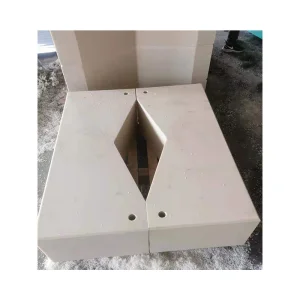
Cheap High-Quality MC Casting Nylon Sheet PA6 Engineering Plastics Hard Board
Configure Specifications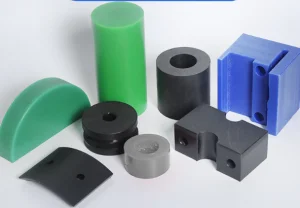
Discount MC Nylon Machined Parts Manufacturers & Precision Exporters
Configure Specifications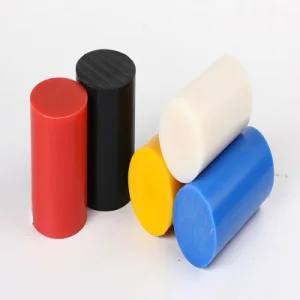
Discount MC Nylon Bar Solid Stock Manufacturers & Specialized Suppliers
Configure Specifications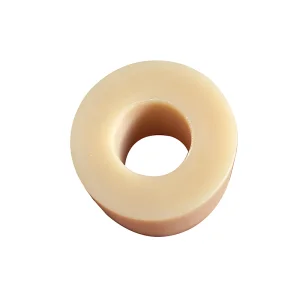
High-Quality PA6 Polyamide Nylon POM PTFE HDPE PVC Plastic Tube & Rod
Configure Specifications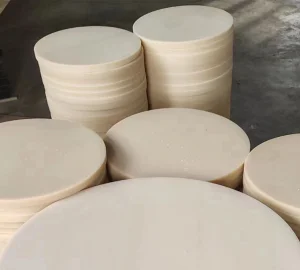
High-Quality Heavy Impact Nylon Cushion For Piling Machine Hammers
Configure Specifications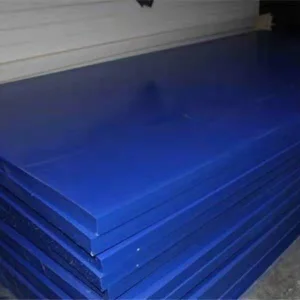
China Factory Direct Sales MC Nylon PA6 Sheet / Polyamide Plate
Configure Specifications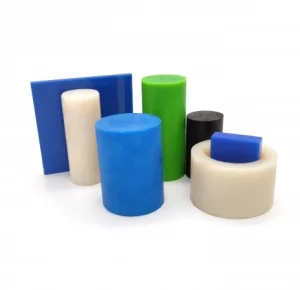
Polyamide PA66 Nylon, PP, UHMWPE, PTFE, HDPE Custom Plastic Stock
Configure SpecificationsGlobal Polyamide Fluid Conduit & Structural Tubing Dynamics
How modern engineering manufacturing relies on advanced thermoplastic polyamides to mitigate stress corrosion, lower payload weight, and automate pneumatic infrastructures.
Metal-to-Polymer Conversion
Global original equipment manufacturers (OEMs) are systematically transitioning from copper and stainless-steel conduits to engineered nylon tubing (PA11, PA12, and plasticized PA6). Polyamides provide up to 70% structural weight reduction, innate immunity to galvanic corrosion, and remarkable cyclic flex-fatigue endurance across high-vibration commercial vehicle chassis and automated robotics.
Severe Dynamic Loadings
Tubing used in high-frequency pneumatic circuitry and mechanical sleeve assemblies requires tight yield point controls. Polymerized under monomer casting (MC) or stabilized precision extrusion, our nylon formulations resist micro-fissuring under continuous hydraulic pressure spikes and pulsating loads up to 80 bar burst ratings depending on wall schedule.
Global Supply Traceability
International procurement requires unwavering batch-to-batch polymer integrity. As a certified manufacturer, SHUNDA eliminates intermediate brokerage markups, controlling caprolactam monomer purity, continuous heat stabilization additives, and automated ultrasonic wall-thickness monitoring to prevent localized thinning and hoop stress failures.
Engineering Plastic Tubing: Physical & Mechanical Properties
Systematic benchmark data compiled by our polymer chemical engineers to guide procurement choices between PA6, MC Cast Nylon, POM, and Polyolefin hollow profiles.
| Property Evaluation Metric | Extruded Nylon (PA6/PA66) | Monomer Cast (MC) Nylon | POM (Polyoxymethylene / Acetal) | UHMWPE / High-Density PE |
|---|---|---|---|---|
| Tensile Strength at Yield (MPa) | 75 – 85 | 85 – 110 | 65 – 72 | 22 – 35 |
| Flexural Modulus (GPa) | 2.8 – 3.2 | 3.4 – 4.0 | 2.8 – 3.1 | 0.8 – 1.2 |
| Continuous Service Temp Range | -40°C to +105°C | -40°C to +125°C | -50°C to +90°C | -150°C to +80°C |
| Moisture Absorption (Equilibrium, 23°C, 50% RH) | 2.5% – 3.0% | 1.8% – 2.2% | 0.2% | < 0.01% |
| Coefficient of Kinetic Friction | 0.25 – 0.35 | 0.18 – 0.25 (Oil-Filled) | 0.20 – 0.28 | 0.10 – 0.15 |
| Target Industrial Suitability | Air brake lines, lubrication circuits, light sleeves | Heavy mechanical bushings, structural sheaves, drill rings | High-precision gears, moist sanitary valves, fine bushings | Impact liners, abrasive slurry chutes, cryogenic rings |
Targeted Industrial Environments & Application Engineering
Discover how global equipment builders integrate our extruded tubing and heavy-duty MC nylon hollow products into mission-critical hardware.
Automotive & Commercial Transportation
DIN 74324 and SAE J844-compliant polyamide tubing lines serve as standard conduits for air braking circuits, auxiliary pneumatic systems, transmission venting, and fuel transport. Nylon's extreme flexural recovery guarantees performance over millions of frame oscillations without wall kink or structural fracture.
Heavy Construction & Piling Hardware
Custom large-diameter MC nylon tubular cushions and guide bushings absorb extreme kinetic impact energy in piling hammers and foundation drills. The dampening characteristics of cast polyamide dissipate shockwaves, protecting metallic drop-hammers and driving assemblies from catastrophic surface fatigue.
Automated Robotics & Factory Pneumatics
Modern pick-and-place automation requires tight-bend radius tubing that handles rapid directional shifts. High-flexibility nylon tubing lines power continuous-duty pneumatic actuators, carrying oils, inert gases, and air without embrittlement or plasticizer migration in conditioned industrial environments.
Comprehensive Quality Governance & Compliance Framework
Eliminating cross-border friction through stringent testing criteria, full international certifications, and customs-ready logistics workflows.
RoHS, REACH & UL94 Compliance
Every extruded hollow profile and machined polyamide bushing manufactured at SHUNDA conforms fully with EU RoHS Directives and REACH chemical safety guidelines. Material lots undergo thorough spectroscopy verification to ensure zero inclusion of hazardous SVHC substances or unauthorized heavy-metal stabilizers.
Hydrostatic & Dimensional QA
Tubular products undergo real-time laser micrometer inspection during drawing, followed by burst testing and oven conditioning tests to quantify residual molecular stress. We maintain complete 3.1 Material Test Reports (MTR) matching raw resin heat batches with physical shipping consignments.
End-to-End Export Packing
Polyamides are hygroscopic materials prone to dimensional shifting when exposed to humidity shifts over sea transit. We provide desiccated inner vacuum wrapping, UV-resistant barrier sleeves, and heavy reinforced crating to ensure tubing lands at customer facilities dimensionally true and ready for installation.
Engineering Tomorrow: Next-Generation Nylon Formulations
Our sustained material research focuses on sustainable monomers, enhanced thermal thresholds, and nano-composite structural reinforcers.
Bio-Based Long-Chain Polyamides
In step with circular economy goals, our laboratories are expanding PA1010 and PA11 tubing offerings derived from renewable castor-oil feedstocks. These chemistries deliver near-zero water absorption, superb chemical resistance against biofuels, and an ultra-low carbon footprint for progressive OEMs.
Nano-Carbon Conductive Tubing
For chemical fluid transfer and combustible fuel-vapor handling, our anti-static nylon blends integrate percolation networks of multi-walled carbon nanotubes. This enables surface resistivity controls down to 10^4 - 10^6 ohms/sq, ensuring electrostatic dissipation without sacrificing mechanical burst resistance.
Thermally Stabilized MC Formulations
Continuous heavy-industry mechanical duties demand higher continuous temperature performance. We are perfecting specialized liquid catalyst mixtures for cast polyamides, raising HDT under load to 160°C for specialized downhole oil applications and continuous high-temperature manufacturing machinery.
Frequently Asked Technical & Purchasing Questions
Clear, authoritative guidance compiled directly by SHUNDA’s technical consulting department.
What are the key functional differences between Extruded Nylon Tubing and Cast (MC) Nylon Tube?
Extruded nylon tubing (typically PA6, PA11, or PA12) is continuously processed through a die and calibrator, resulting in flexible, thin-to-medium wall conduits ideal for high-pressure fluid carriage, air lines, and pneumatic circuitry. Monomer Cast (MC) Nylon tube is produced by gravity casting liquid caprolactam into rotating cylindrical molds. MC nylon produces heavy-wall, large-diameter structural hollow bars characterized by higher molecular weight, superior crystallinity, higher compressive yield strength, and exceptional wear resistance, specifically designed for secondary CNC turning into bushings, rollers, and mechanical spacers.
How does ambient humidity affect the dimensional stability of nylon tubing?
Polyamides naturally absorb ambient moisture via hydrogen bonding in their amide groups. Standard PA6 tubing will absorb up to 2.5-3.0% moisture at equilibrium (50% RH, 23°C), resulting in a linear dimensional swelling of approximately 0.2% to 0.3% and a shift toward higher impact toughness with slightly lower tensile modulus. In precision fluid-fitting or close-tolerance bushing applications, our engineers recommend pre-conditioned parts, long-chain polyamides (PA11/PA12) with minimal water absorption (<0.5%), or our dimensionally invariant Polyoxymethylene (POM) hollow bars.
What documentation and inspection protocols accompany export orders?
Each factory consignment is accompanied by a comprehensive technical quality pack: EN 10204 Type 3.1 Mill Test Certification verifying raw polymer lot numbers, Shore D hardness test reports, hydro-pneumatic burst threshold verification logs, full dimensional inspection records, and Certificate of Origin (CO). Full RoHS, REACH, and FDA conformity declarations are furnished according to target industry specifications.
Can SHUNDA manufacture custom colored, reinforced, or pre-cut nylon tubing assemblies?
Yes. Beyond standard blue, black, natural, and yellow color-coding for air/fluid lines, our facility provides compounding with glass-fiber reinforcement for enhanced stiffness, molybdenum disulfide (MoS2) for self-lubricating wear properties, and custom precision-cut lengths. We also maintain in-house 5-axis CNC turning and milling machinery to supply finished bushings and precision rings based directly on customer CAD/DXF/STEP drawings.
What are the minimum order quantities (MOQ) and production turnaround cycles?
Standard profile sizes and off-the-shelf MC nylon hollow bars have no minimum order quantities for catalog stock items. Custom-extruded profiles or non-standard color batches typically require a minimum setup threshold (typically 500 to 1,000 meters depending on outer diameter). Tooling fabrication for custom extrusion shapes is typically completed in 10-14 days, followed by full volume production within 15-20 days.
Full Engineering Plastics & Machined Stock Catalog
Source standard and customized semi-finished plates, rods, hollow profiles, and precision CNC components directly from our manufacturing workshops.
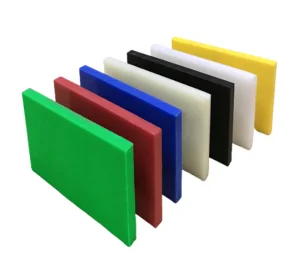
Cheap Polyamide PA6 PA66 Nylon, PP, UHMWPE, PTFE, ABS Plastic Sheet
Configure Specifications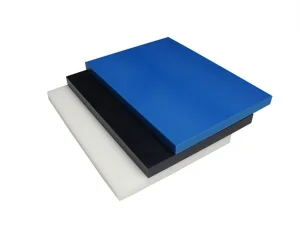
Wholesale Natural, Black, and Blue Cast Nylon Plate / Sheet Profiles
Configure Specifications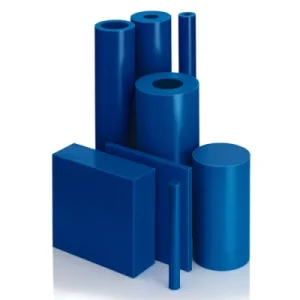
Discount UHMWPE Ultra-Wear Pad & Friction Resistant Strip Solutions
Configure Specifications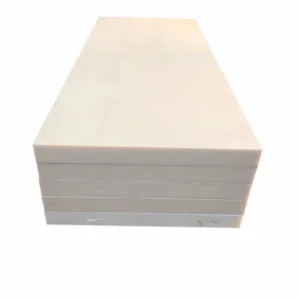
Industrial Natural Monomer Cast (MC) Nylon Solid Plate Stock
Configure Specifications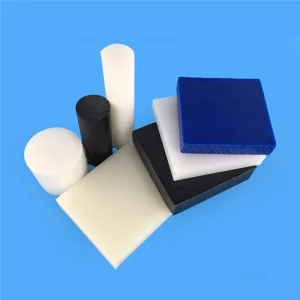
Famous Engineering Plastic Cast PA6 Polyamide Rod, Sheet, and Bar
Configure Specifications
Engineering Plastic PA6 PA66 Nylon PP UHMWPE Rod and Bar Profiles
Configure Specifications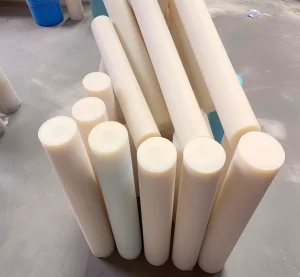
Wholesale Natural MC Cast Polyamide Nylon Round Solid Stock
Configure Specifications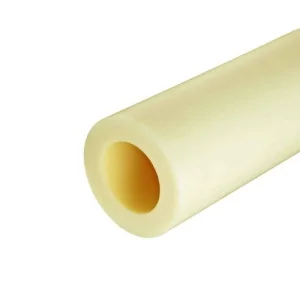
High-Quality Nylon Rod, Nylon Tube, PP Tube, ABS Tube & Plastic Tubing
Configure SpecificationsReady to Engineer Your High-Performance Tubing Solution?
Connect directly with our polymer processing team in Hebei, China. Submit your required dimensions, burst tolerances, or part drawings for rapid turnaround pricing.