
Heavy-Duty Engineering Plastic Boards & Precision Parts
Factory-calibrated semi-finished boards, extruded polymer panels, and custom-milled friction components engineered for extreme mechanical strength, zero cold flow, and sustained load reliability.
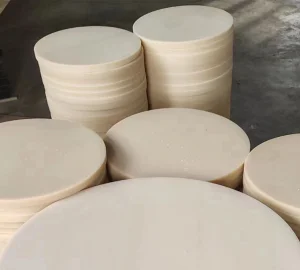
High-Quality Impact Nylon Cushion Use For Impact Hammer For Piling Machine Supplier
View Board & Cushion Specs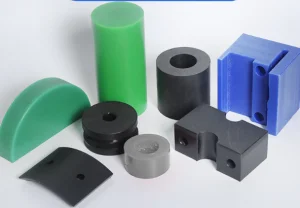
Discount MC Nylon Machined Parts Manufacturers, Exporter
Inspect Machined Parts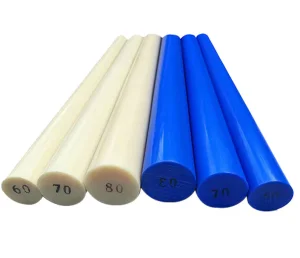
Cheap China MC Blue Cast Nylon Rod Plastic Round Rod And Bar Manufacturers
Explore Cast Rod & Bar
High-Quality Engineering Plastic PA6 POM PTFE HDPE PVC Plastic Tube Rod & Bar
Custom Polymer Sizes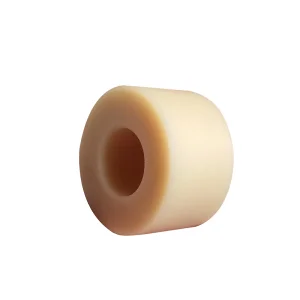
Cheap Factory Engineering ABS, Nylon, PP Plastic Tube, POM & PTFE Rod
Industrial Extrusion Line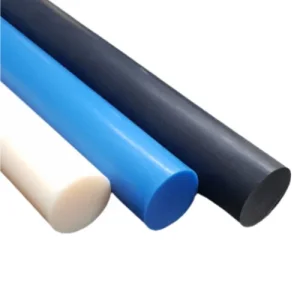
OEM Cast MC Nylon Rod Suppliers, Product
Get Cast MC Price
China Special Wholesale Plastic Board PA6/PA66 Board Durable Nylon Rods
Procure PA6/PA66 Board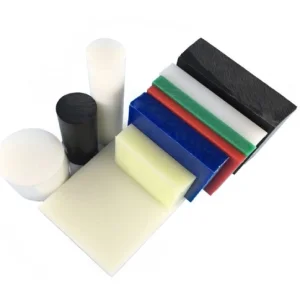
High-Quality PA66 Nylon, PP, UHMWPE, PTFE, HDPE, ABS Plastic Sheet & Board
Custom Sheet InquiriesGlobal Landscape of Engineering Board Manufacturing
An executive engineering review of macroeconomic growth, industrial polymer substitution cycles, and critical vendor capabilities required for Tier-1 supply chains.
In the global industrial sector, the search query "Buy Board Factory & Companies" signifies far more than a routine transactional purchase. It represents an enterprise-grade quest for reliable polymer compounding, zero-defect sheet casting, tight extrusion tolerances, and vertical CNC machining capabilities. Heavy equipment OEMs, maritime port builders, semiconductor foundries, and bulk material handlers are aggressively moving away from traditional ferrous and bronze alloy sheets, replacing them with high-performance engineering plastic boards.
The transition toward synthetic polymer boards (encompassing Monomer Cast PA6, Extruded Polyamide 66, Polyoxymethylene/Acetal, UHMW-PE, and High-Density Polyethylene) has accelerated dramatically over the past five years. Global market valuations for semi-finished engineering plastics now exceed USD $92 billion, driven by demands for weight reduction, energy consumption decreases in reciprocating machine parts, superior corrosion immunity in saltwater or chemical settings, and self-lubricating surface properties that virtually eliminate oil maintenance downtime.
Replacing Traditional Bronze, Cast Iron, and Hardwood Slabs
For over a century, structural slide plates, crane outrigger pads, impact hammer cushions, and chute wear liners relied almost entirely on manganese steel plates, phosphorus bronze bushings, and dense hardwood timber like Azobé. However, metal-on-metal sliding pairs create catastrophic wear conditions requiring continuous grease lubrication, causing severe environmental contamination and high replacement labor costs.
Cast MC nylon boards and ultra-high molecular weight polyethylene (UHMWPE) boards boast a dynamic coefficient of friction as low as 0.10 to 0.15 against dry polished steel, compared to 0.35 to 0.60 for bronze. Furthermore, with an average specific gravity ranging between 0.94 g/cm³ (UHMWPE) and 1.16 g/cm³ (Cast PA6), these advanced boards weigh approximately one-seventh the weight of steel and one-eighth the weight of bronze. This drastic mass reduction simplifies field installation, eliminates heavy crane requirements during routine slide-pad replacements, and sharply curtails the mechanical inertia of high-speed industrial mechanisms.
High Shock Absorption & Piling Damping
Unlike metallic sheets that fracture or mushroom under cyclical percussive stress, impact nylon board formulations absorb shock energy elastic-plastically, cushioning multi-ton hydraulic hammer heads and extending hammer ram operational lifespans.
Corrosion & Harsh Chemical Immunity
Polypropylene, HDPE, and PTFE boards remain completely impervious to mineral acids, caustic alkalis, electroplating washouts, and de-icing salt sprays, rendering them the gold standard for pickling tank linings and chemical scrubbers.
Clean Chip Machinability
Thermal treatment and internal stress relief allow large boards up to 100mm thickness to be surfaced, planed, routed, drilled, and tapped with standard carbide tooling without curling, cupping, or post-machining shrinkage.
Why Global Buyers Source Boards from Chinese Factories
How integrated monomer supply chains, automated hydraulic casting presses, large-bed annealing chambers, and Hebei's manufacturing ecosystems deliver unbeatable cost-to-performance benchmarks.
Direct Caprolactam Synthesis
Leading Chinese board producers directly polymerize caprolactam monomer via activated anionic polymerization, bypassing costly pre-granulated resins to create higher molecular weights and density uniformity.
Automated Large-Bed Annealing
Internal thermal stress is the primary reason imported boards bend upon CNC routing. Chinese specialized factories utilize 72-hour programmable thermal oil bath cycles to eliminate residual stresses completely.
Rapid Tooling & Prototyping
With on-site tool-and-die workshops, bespoke slab molds for non-standard board dimensions (up to 2000 × 4000 mm and 200 mm thickness) can be cast and proofed in as little as 5 to 7 working days.
Multi-Axis Integrated Milling
Consolidating slab production and secondary CNC routing under a single roof prevents double shipping fees, intermediate supplier margins, and cross-party tolerance blame games.
The geographical cluster in Xinhe County, Hebei Province, serves as a cornerstone of China's heavy-engineering polymer output. The dense concentration of upstream monomer refineries, catalyst suppliers, mold manufacturers, and testing laboratories provides an agile procurement environment that cannot be replicated elsewhere. Sourcing directly from these plants allows overseas engineering firms to reduce landed procurement costs by 30% to 55% while maintaining absolute compliance with ISO 9001 quality standards and international material test methods.
Engineering Board Technical Specification Matrix
Compare mechanical characteristics, thermal limits, wear factors, and chemical resistance across our flagship semi-finished plastic board polymers.
| Polymer Board Type | Tensile Strength (MPa) | Izod Impact (kJ/m²) | Heat Deflection Temp (0.45 MPa) | Dynamic Coeff. of Friction | Primary Industrial Use Case |
|---|---|---|---|---|---|
| Cast MC Nylon (PA6G) | 80 - 90 | ≥ 6.0 (No Break) | 165 °C | 0.15 - 0.22 | Heavy gear blanks, crane slide pads, pile hammer cushions |
| Extruded PA66 | 85 - 95 | 5.0 - 7.0 | 180 °C | 0.20 - 0.28 | High mechanical fixtures, rollers, automated track guides |
| POM Acetal (POM-C) | 65 - 72 | 6.0 - 8.0 | 158 °C | 0.18 - 0.25 | Precision dimensional jigs, food contact star wheels, valve plates |
| UHMWPE (Molecular 5M+) | 22 - 32 | ≥ 110 (Unnotched) | 85 °C | 0.10 - 0.15 | Chute & hopper liners, truck bed liners, marine fender faces |
| HDPE (High Density PE) | 24 - 30 | 8.0 - 14.0 | 78 °C | 0.20 - 0.26 | Cutting slabs, chemical tank lids, wastewater splash plates |
| PTFE (Fluoropolymer) | 20 - 35 | 16.0 | 120 °C | 0.04 - 0.08 | Cryogenic slide bearings, aggressive acid seals, bridge expansion pads |
| ABS Board | 40 - 50 | 15.0 - 25.0 | 95 °C | 0.30 - 0.38 | Structural instrument panels, rapid prototypes, thermoformed guards |
Selecting the ideal board grade requires evaluating environmental humidity, operating pressure (PV value limits), sliding velocity, and counter-surface finish. While Cast MC Nylon delivers top-tier structural stiffness and crushing resistance under high static tonnage, it exhibits up to 2.0% moisture absorption in high humidity. In submerged or wet applications, POM-C Acetal or UHMWPE boards are recommended due to their near-zero water uptake (0.01% - 0.2%) and exceptional dimensional stability.
Localized Industrial Applications of Engineering Plastic Boards
How leading international enterprises deploy our boards across challenging, abrasive, high-load operating environments around the world.
Mining, Coal Handling & Chute Liners
In Australian iron ore transshipment centers and Canadian coal processing silos, thick UHMWPE boards are fastened with counter-sunk weld washers to interior metal walls. The ultra-slick surface prevents wet fines from caking, stops ratholing, and dampens aggregate noise from falling ore.
Hydraulic Piling & Foundation Engineering
Offshore jack-up rigs and deep foundation pile drivers in Southeast Asia utilize our heavy MC Nylon Cushion Blocks (milled from dense 150mm PA6 boards) directly inside hammer caps to deliver clean kinetic energy transfers while safeguarding metallic ram bodies from fracture.
Maritime Quays & Port Fender Strips
Container vessel quays exposed to ocean salt spray install custom-profiled low-friction HDPE and UHMWPE face pads onto rubber fender structures. These pads resist marine hull abrasion, resist barnacle adhesion, and survive relentless UV solar degradation.
Automated Bottling & Food Conveyance
European beverage automation lines rely on FDA-compliant POM-C Acetal boards CNC-milled into stars, diverters, chain guides, and bottle pusher tracks, guaranteeing zero chemical leaching, sanitary washdown resistance, and ultra-quiet mechanical operation.
Semiconductor & Cleanroom Wet Benches
High-purity Polypropylene (PP) and PVDF/PTFE boards form the chemical backbone of wafer-etching wet processing stations, demonstrating absolute zero metal contamination and total inertness against hydrofluoric and nitric acid mixtures.
Mobile Cranes & Aerial Platform Outriggers
Construction safety mandates across North America specify engineered UHMWPE & Cast Nylon Outrigger Pads. Sourced from 50mm–100mm solid polymer boards, they distribute massive point loads across unstable ground to prevent crane tip-overs without rotting like wood.
Emerging Trends in Industrial Polymer Boards
Technological evolution in composite doping, bio-monomers, automated quality inspections, and sustainable closed-loop processing.
Carbon Nanotube & MoS2 Doping
Formulators are dispersing molybdenum disulfide (MoS2) and multi-walled carbon nanotubes into liquid caprolactam monomer before casting. This creates self-lubricating PA6 boards with lower heat generation and electrostatic discharge (ESD) conductivity for ATEX explosion-hazard environments.
Vision AI Surface Flaw Detection
Automated optical inspection gantries mounted on continuous sheet extrusion lines detect micro-voids, bubbles, and thickness variances smaller than 25 microns at full line speed, guaranteeing zero internal flaws in downstream CNC machined board parts.
Circular Feedstocks & Green Monomers
Global carbon footprint reduction targets are propelling the development of chemically recycled polyamides and bio-derived polyethylenes. Leading Chinese factories are developing certified ISCC+ bio-attributed board lines that match virgin resin performance profiles without cost inflation.
Global Procurement Criteria for Enterprise Board Buyers
Key auditing checkpoints for QA directors and procurement leaders evaluating international engineering plastic board suppliers.
Procuring engineering plastic boards at industrial volumes requires rigorous qualification beyond basic quotation spreadsheets. Substandard manufacturing creates invisible defects: poor monomer conversion rates leave monomer residues that compromise chemical resistance; rapid cooling creates high residual tensile stresses that warp boards when cut; and filler aggregation weakens impact strength.
Essential Inspection & Certification Checkpoints
- ✔ Resin Virginity Verification: Insist on 100% pure virgin monomer or prime-grade pellets. Avoid uncontrolled post-industrial regrind blends unless explicitly ordered for low-criticality non-wearing slurry baffles.
- ✔ Ultrasonic Flaw Scanning: Heavy cast nylon and UHMWPE boards with thicknesses exceeding 50 mm must undergo non-destructive ultrasonic flaw detection to identify internal centerline porosity and vacuum voids.
- ✔ Planimetric Tolerance & Thickness Control: Ensure adherence to DIN EN ISO 2768-m or ASTM D6712. Boards should maintain uniform gauge thickness across the entire width to prevent machine jam-ups.
- ✔ Maritime Packaging Protocols: Boards must be packed onto heavy fumigated hardwood or composite pallets, interleaved with anti-scratch PE film, edge-protected with corner brackets, and wrapped in vapor-barrier shrink wrap to prevent ocean transit moisture absorption.
Engineering & Procurement FAQ
Direct engineering answers addressing critical questions asked by global distributors, mechanical design bureaus, and import managers.
Expanded Engineering Plastic Board & Stock Selection
Browse our extensive portfolio of extruded polymer plates, high-density polyethylene sheets, customized hollow tubes, round bars, and cast nylon shapes.
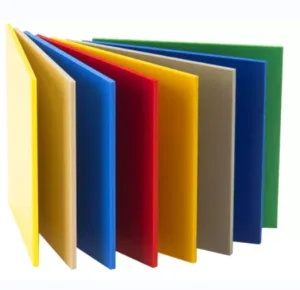
Cheap HDPE Sheet Exporters, Factory Company
Explore HDPE Sheets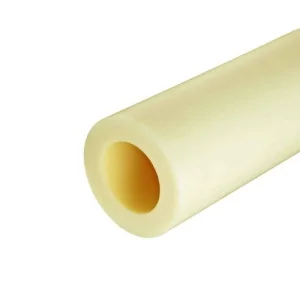
High-Quality Nylon Rod, Nylon Tube, PP Tube, ABS Tube & Plastic Rod Supplier
View Rod & Tube Specs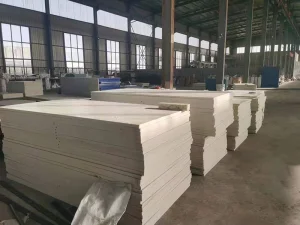
OEM Engineering Plastic PA6 PA66 Nylon, PP, UHMWPE, PTFE, HDPE, ABS Sheet
Customized Color Sheets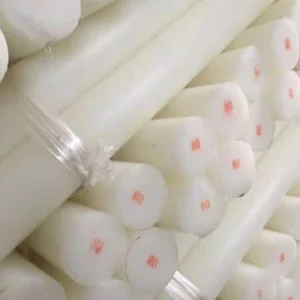
OEM ODM Cast PA6 Nylon, POM, ABS, PP, PTFE Plastic Rod and Bar
Procure Cast Bars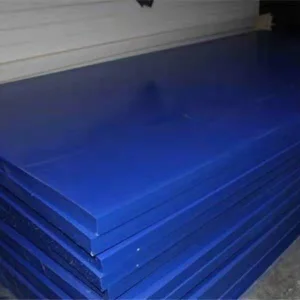
China Factory Direct Sales MC Nylon PA6 Sheet & Polyamide Sheet
Direct MC PA6 Prices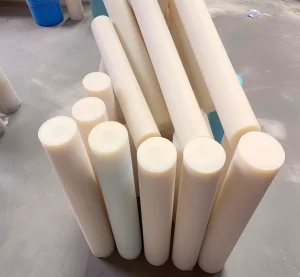
Wholesale Natural MC Nylon Cast Rod Supplier, Factory Company
Review Cast Rod Specs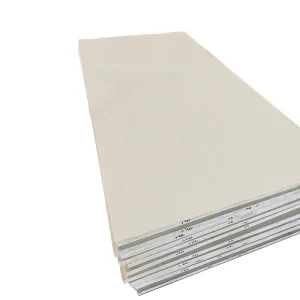
China Engineering Plastic Casting Nylon, ABS, PTFE, HDPE, UHMWPE Sheet & Tube
Wholesale Polymer Tubes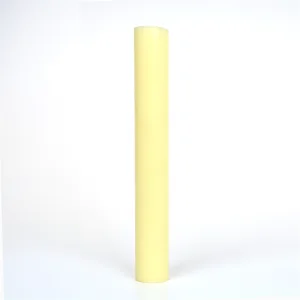
Buy PP Rod, ABS Rod, Nylon Rod Bar, PTFE Rod, Plastic Rod Products Factory
Order Bulk Plastic BarsRequest Direct Factory Quotes & Polymer Data Sheets
Partner with a reliable Chinese manufacturing plant with more than 20 years of production expertise. Send your target board dimensions, resin requirements, or 2D/3D component drawings. Our polymer application engineers deliver detailed technical feedback and itemized quotations within 12 hours.